

Imagine setting up your tent after a long day outdoors and finally being able to stand up inside it without crouching or crawling. Sounds great, right?
If you’re tired of cramped, uncomfortable tents that make you feel boxed in, a lightweight tent you can stand up in is exactly what you need. It combines the freedom of movement with easy portability, making your outdoor experience more enjoyable and less stressful.
Keep reading, and you’ll discover how to find the perfect tent that gives you space, comfort, and convenience—all without weighing you down.
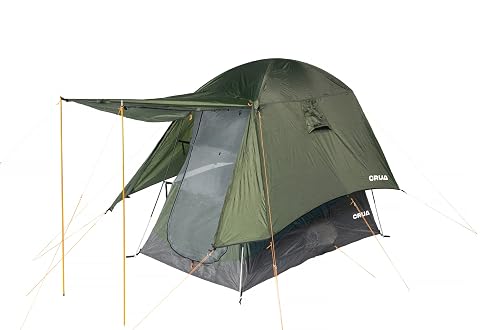
Credit: arcphysics.net
Benefits Of Standing-up Tents
Standing-up tents offer many benefits for campers and outdoor lovers. These tents provide more comfort and convenience than traditional low-profile tents. They make camping feel less cramped and more enjoyable. Here are some key advantages of tents you can stand inside.
Enhanced Comfort And Space
Standing-up tents give you more room to move freely. You can stand, stretch, or change clothes without crouching. The extra headroom reduces discomfort and makes the tent feel larger. This space helps keep your gear organized and easy to access.
Improved Airflow And Ventilation
Taller tents allow better air circulation inside. Fresh air flows more easily through vents and windows. This ventilation reduces heat and moisture build-up. A well-ventilated tent feels cooler and prevents condensation on walls.
Ease Of Movement Inside
Moving inside a standing-up tent is simple and natural. You avoid bending or crawling, which can be tiring. This ease of movement helps you stay comfortable during bad weather. It also makes tasks like cooking or packing easier inside the tent.
Key Features Of Lightweight Tents
Lightweight tents you can stand up in offer comfort without heavy loads. They combine smart design and materials to reduce weight. These tents are perfect for hiking, camping, or any outdoor trip. Understanding their key features helps you choose the right tent.
Material Choices For Weight Reduction
Lightweight tents use thin, strong fabrics like nylon or polyester. These materials keep the tent light but protect against wind and rain. Some tents use special coatings to repel water. Poles made from aluminum or carbon fiber reduce weight compared to steel. Every material choice focuses on cutting pounds without losing function.
Compact Design Elements
These tents fold into small packages for easy carrying. Designers use simple shapes and fewer poles to save space. Doors and windows are placed for good airflow and light. Inside, the tent offers enough room to stand and move. Compact tents fit in backpacks without taking much space.
Durability Vs Weight Balance
Strong tents often weigh more, but lightweight tents find a balance. They use tough fabrics in high-wear areas. Reinforced seams keep the tent sturdy under stress. Quality zippers and stakes add durability without extra weight. The goal is a tent light enough to carry and tough enough to last.
Popular Designs For Stand-up Tents
Stand-up tents make camping more comfortable. They offer enough headroom to move freely inside. Many designs focus on being lightweight yet spacious. This makes them popular among hikers and campers who value comfort and ease.
Different designs meet different needs. Some tents balance weight and space well. Others focus on quick setup or durability. Understanding popular designs helps choose the best tent for your trip.
Freestanding Vs Non-freestanding Models
Freestanding tents use poles to hold their shape without stakes. This design makes them easy to move before staking down. They work well on rocky or hard surfaces. Non-freestanding tents rely on stakes and guy lines for support. They tend to be lighter but need firm ground. Both types have pros and cons for different camping spots.
Dome And Cabin Style Options
Dome tents have curved poles that create a rounded shape. They are stable in wind and easy to set up. Cabin tents have straight walls and more vertical space. They offer more room to stand and move around. Dome tents are lighter and better for backpacking. Cabin tents suit car camping or longer stays.
Innovative Pole Structures
New pole designs improve tent stability and space. Some tents use flexible poles that bend for extra headroom. Others combine poles for quick setup and strong frames. Lightweight materials like aluminum keep poles strong but light. These innovations make tents easier to carry and use.
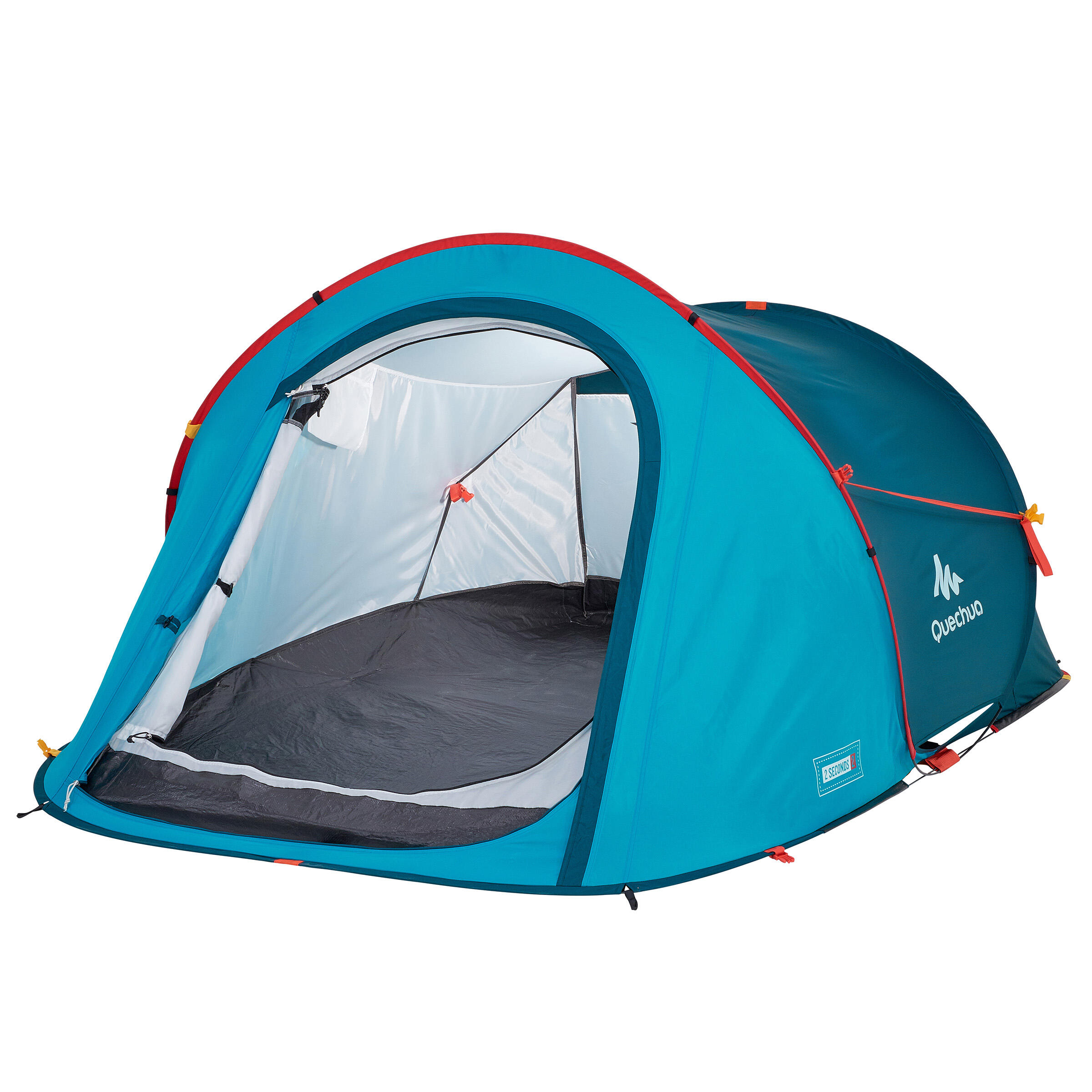
Credit: arcphysics.net
Choosing The Right Tent For Your Needs
Choosing the right tent for your needs is important for a good camping trip. The right tent keeps you safe and comfortable. It also fits your style and the places you visit. Think about what you need before buying. This makes your camping easier and more fun.
Assessing Your Camping Style
Think about how you camp. Do you camp in one place or move a lot? Do you camp alone or with friends? Some tents are better for solo campers. Others work well for groups. Choose a tent that matches your usual trips. This saves space and weight.
Considering Weather Conditions
Check the weather where you camp. Some tents work well in rain or wind. Others suit dry and warm places. Pick a tent that protects you from the weather. Look for strong materials and good ventilation. This keeps you dry and cool.
Portability And Pack Size
Think about how you carry your tent. If you hike long distances, choose a light tent. Small tents fit easier in backpacks. Big tents weigh more and take more space. Pick a tent that fits your bag and strength. This makes travel simpler and faster.
Top Lightweight Stand-up Tents On The Market
Finding the right lightweight stand-up tent can change your camping experience. These tents offer comfort and easy setup without adding extra weight. Standing up inside helps with moving around and changing clothes. Below are some top choices for different needs and budgets.
Best For Solo Campers
Solo campers need tents that are light and quick to set up. Look for tents weighing under 3 pounds. These models often have enough space to stand and store gear. Many solo tents use strong, lightweight materials that handle weather well. A compact design fits easily into a backpack for long trips.
Ideal For Families And Groups
Families need tents with more room and headspace. Choose tents with multiple doors and large standing areas. Some models fit four to six people comfortably. These tents balance weight and size for easy transport. Ventilation features keep air fresh inside, making group camping more pleasant.
Budget-friendly Options
Affordable stand-up tents do not have to sacrifice quality. Many budget tents offer enough space and protection from rain. Look for models with durable fabric and solid poles. These tents are great for beginners or casual campers. They provide standing room and good ventilation at a low cost.
Tips For Setting Up And Maintaining Your Tent
Setting up and caring for your lightweight tent helps ensure a comfortable outdoor experience. Proper setup saves time and avoids damage. Good maintenance extends your tent’s life. Follow these simple tips to keep your tent ready for every adventure.
Efficient Setup Techniques
Choose a flat, clean spot free of rocks and sticks. Lay out the tent footprint or tarp first to protect the floor. Assemble poles carefully and attach them to the tent body. Stake down the corners tightly to keep the tent stable. Use guy lines to add extra support in windy conditions. Practice setting up at home to speed up the process outdoors.
Cleaning And Storage Advice
Shake out dirt and debris before packing the tent. Use a soft brush or cloth to clean the fabric gently. Avoid harsh detergents; mild soap and water work best. Make sure the tent is completely dry to prevent mold and mildew. Store your tent loosely in a cool, dry place. Avoid leaving it compressed for long periods to protect the fabric and seams.
Repair And Longevity Tips
Check for tears, holes, or broken zippers after each trip. Patch small holes with repair tape or fabric patches. Replace damaged poles with new ones from the manufacturer. Lubricate zippers with a silicone-based product to keep them smooth. Avoid exposing the tent to direct sunlight for long periods. Regular care helps your tent last through many adventures.

Credit: burlingamedrywall.com
Frequently Asked Questions
What Defines A Lightweight Tent You Can Stand Up In?
A lightweight tent you can stand up in offers ample headroom without heavy materials. It balances weight and comfort for easy carrying and spacious shelter.
How Do Lightweight Standing Tents Improve Camping Comfort?
They provide full standing height, allowing easy movement inside. This reduces strain and enhances comfort during bad weather or long stays.
What Materials Make Tents Lightweight Yet Durable?
Ultralight fabrics like ripstop nylon or polyester with waterproof coatings ensure durability. Aluminum or carbon fiber poles keep weight low while maintaining strength.
Are Lightweight Standing Tents Suitable For All Weather Conditions?
Many are designed to withstand rain, wind, and mild snow. Check the tent’s weather rating to ensure it matches your camping environment.
Conclusion
Choosing a lightweight tent you can stand up in makes camping more comfortable. It saves your energy and offers more space inside. You can move easily and change clothes without trouble. Carrying it on hikes feels lighter and less tiring.
A good tent helps you enjoy nature better. Think about your needs and pick the right size. Simple, practical tents make your outdoor trips more fun. Enjoy your time outside with ease and comfort.