

If you love camping, you know how tough it can be to keep your cookware clean. Soot builds up quickly, making your pots and pans look dirty and hard to use.
But don’t worry—removing soot from your camping cookware is easier than you think. You’ll discover simple, effective ways to get your gear sparkling clean again. Keep reading, and you’ll learn tricks that save you time and effort, so your next camping meal tastes just right with cookware that looks almost new.
Credit: cooking-outdoors.com
Causes Of Soot On Cookware
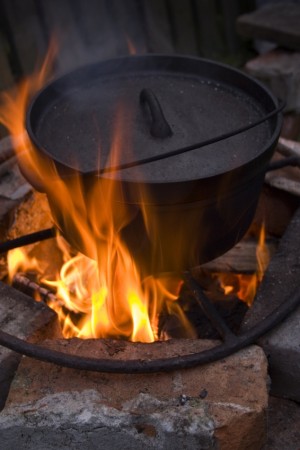
Soot often builds up on camping cookware after cooking over open flames or stoves. This black residue forms when fuel burns incompletely. Smoke and tiny particles land on pots and pans, leaving dark stains. Understanding what causes soot helps prevent and clean it better.
Common Sources Of Soot
Campfires and wood stoves produce smoke that creates soot. Burning wood, charcoal, or other fuels release carbon particles. These particles stick to cookware surfaces during cooking. Wind can blow smoke directly onto pots and pans. Poor ventilation also increases soot buildup. Using low-quality fuel or damp wood causes more smoke. Camping stoves with incomplete combustion add to soot problems.
Types Of Camping Cookware Affected
Cast iron, stainless steel, and aluminum cookware often get soot stains. Cast iron shows soot clearly but is easy to clean. Stainless steel pots may discolor but handle soot well. Aluminum cookware can darken and require gentle cleaning. Any cookware used over open flames or smoky stoves can gather soot. Even lightweight titanium pans can develop soot marks after use.

Credit: www.qwickwick.com
Safety Precautions Before Cleaning
Cleaning soot from camping cookware requires care to avoid injury or damage. Taking safety steps before you start helps protect your hands and skin. It also prevents burns and accidents during the cleaning process.
Handling Hot Cookware
Never touch cookware right after cooking. Sooty pots and pans can stay hot for a long time. Wait until the cookware cools down completely before cleaning. Use a heat-resistant surface to place the cookware while cooling. This prevents burns and accidental spills.
Using Protective Gear
Wear gloves to protect your hands from soot and cleaning agents. Use rubber or latex gloves for better grip and safety. Protect your eyes with safety glasses if using strong cleaning products. Wearing old clothes is also a good idea to avoid stains. Safety gear keeps you safe and makes cleaning easier.
Basic Cleaning Techniques
Cleaning soot from camping cookware is simple with basic techniques. These methods help remove grime without damaging your pots and pans. Following easy steps keeps your gear ready for your next trip.
Soaking In Warm Water
Start by soaking the cookware in warm water. Warm water softens the soot and makes it easier to clean. Let the cookware sit for 15 to 30 minutes. This loosens the burnt particles stuck on the surface.
Use a container large enough to hold your pots or pans. Fill it with warm water and submerge the cookware. After soaking, the soot will be less stubborn.
Using Soap And Scrubbing
Apply dish soap to a sponge or soft brush after soaking. Soap breaks down grease and soot effectively. Gently scrub the cookware to remove the soot layer.
Avoid using steel wool or harsh scrubbers. They can scratch and damage your cookware. Focus on scrubbing evenly to clean all soot spots. Rinse with clean water and repeat if needed.
Effective Homemade Remedies
Removing soot from camping cookware can be simple and safe using homemade remedies. These methods use common kitchen ingredients that clean well without harsh chemicals. They save money and protect your cookware’s surface.
Each remedy targets soot buildup gently but effectively. They work on metal pots, pans, and grills. Try these easy solutions to keep your camping gear clean and ready.
Baking Soda Paste
Baking soda is a natural cleaner. Make a thick paste by mixing baking soda with water. Apply the paste to the soot-covered areas. Let it sit for 15 to 20 minutes. Then scrub with a soft brush or sponge. Rinse with warm water to remove residue. Repeat if needed for tough soot stains.
Vinegar Solution
White vinegar helps break down soot and grease. Mix equal parts vinegar and water in a spray bottle. Spray the solution on the cookware’s dirty spots. Let it sit for 10 minutes. Wipe with a clean cloth or sponge. Rinse well with warm water. Vinegar also removes odors and brightens metal surfaces.
Lemon Juice Application
Lemon juice acts as a natural bleach and degreaser. Squeeze fresh lemon juice over the soot stains. Rub with a cloth or use lemon halves to scrub. Let the juice sit for 5 to 10 minutes. Rinse the cookware with warm water. Lemon leaves a fresh scent and restores shine.
Commercial Cleaners For Soot Removal
Commercial cleaners offer a fast way to remove soot from camping cookware. These products are made to break down tough black soot safely. They save effort and time compared to scrubbing by hand. Many cleaners target carbon and smoke stains. Choosing a good cleaner helps protect your cookware’s surface. Using the right method ensures the best results without damage.
Choosing The Right Cleaner
Pick cleaners made for soot and carbon buildup. Look for products labeled safe for metal or camping gear. Avoid harsh chemicals that can ruin pots or pans. A gentle but effective cleaner works best. Check reviews to find trusted brands. Powder, liquid, or spray forms each have their benefits. Choose one that fits your cleaning style and cookware type.
Application Tips
Apply the cleaner directly on the soot area. Use a soft cloth or sponge for scrubbing. Let the cleaner sit a few minutes to loosen soot. Avoid using steel wool, which can scratch surfaces. Rinse with warm water after cleaning to remove residue. Repeat the process if soot remains. Dry the cookware fully before storing to prevent rust.
Preventing Soot Buildup
Soot buildup on camping cookware can be a real hassle. It makes your pots and pans dirty and hard to clean. Preventing soot saves time and keeps your gear in good shape. Simple habits can reduce soot and keep your cookware looking better longer.
Proper Cooking Techniques
Use the right flame size for your pot or pan. A large flame causes more soot to form. Keep the flame low or medium for even heating. Avoid cooking with the pot too close to the fire. Leave some space to stop soot from sticking.
Use dry wood or fuel for your fire. Wet or green wood creates more smoke and soot. Arrange your firewood so air flows well. Good air helps burn fuel cleaner and reduces soot.
Regular Maintenance
Clean your cookware after every use. Wipe off soot before it hardens. Use warm water and a soft brush or cloth. Avoid harsh scrubbing that can damage the cookware.
Check your cookware regularly for soot buildup. Remove soot early to prevent stains and corrosion. Store your pots and pans in a dry place. Dry storage stops rust and keeps cookware ready for your next trip.
Drying And Storage Tips
Proper drying and storage help keep camping cookware clean and ready. Soot removal is just the first step. How you dry and store your gear affects its lifespan and performance.
Moisture left on cookware causes rust and damage. Dirt or soot trapped in storage can cause stains and odors. Follow simple tips to protect your cookware after cleaning.
Avoiding Rust And Damage
Dry cookware fully before storing. Use a clean cloth or air dry in a warm place. Avoid putting damp items in closed bags or containers. Moisture creates rust and weakens metal.
Check for any soot or residue before drying. Clean off stubborn spots with a gentle scrub. Rust spots grow fast if not treated quickly. Keep cookware dry and spotless to last longer.
Best Storage Practices
Store cookware in a dry, well-ventilated area. Avoid storing in damp tents or bags. Use breathable storage bags or cloth wraps. Keep cookware separated to prevent scratches.
Stack pans with paper towels between them. This stops soot marks and scratches. Store lids upside down to avoid moisture buildup. Regularly inspect stored cookware for signs of rust or dirt.

Credit: www.qwickwick.com
Frequently Asked Questions
How Do I Clean Soot Off Camping Cookware?
To clean soot, soak cookware in warm soapy water. Scrub gently with a sponge or brush. For stubborn soot, use baking soda paste for better results.
What Household Items Remove Soot From Camping Pots?
Baking soda, vinegar, and lemon juice work well. These natural cleaners break down soot without harsh chemicals. They are safe and eco-friendly options for camping gear.
Can I Use Abrasive Tools To Remove Soot Safely?
Avoid harsh abrasives to prevent cookware damage. Use soft brushes or non-scratch sponges instead. Gentle cleaning protects your cookware’s surface and extends its life.
How Often Should I Clean Soot From Camping Cookware?
Clean soot after every use to prevent buildup. Regular cleaning keeps cookware efficient and safe. It also maintains flavor and hygiene for your meals.
Conclusion
Removing soot from camping cookware keeps your gear clean and ready. Use gentle scrubbing and natural cleaners for best results. Avoid harsh chemicals to protect your cookware’s surface. Regular cleaning prevents buildup and saves time later. Clean cookware also improves cooking taste and safety.
Keep your camping trips enjoyable with simple cleaning steps. A little effort makes a big difference in gear care. Ready for your next adventure with spotless cookware!