

Setting up your camping kitchen the right way can turn a simple outdoor meal into a memorable experience. Imagine cooking your favorite dishes with ease, even miles away from home.
Whether you’re a seasoned camper or new to outdoor adventures, having a smart kitchen setup makes all the difference. You’ll discover practical ideas that save you time, keep your space organized, and let you enjoy every bite under the open sky.
Ready to upgrade your camping kitchen and make every meal something to look forward to? Keep reading—you won’t want to miss these tips!
Credit: www.vevor.com
Choosing The Right Gear
Choosing the right gear for your camping kitchen makes cooking easier and more fun. The right tools help save time and reduce mess. Picking gear that fits your trip and cooking style improves your outdoor meals. Focus on tools that are light, durable, and easy to clean. This guide covers key items for a smart camping kitchen setup.
Essential Cooking Tools
Start with basic tools like a sharp knife, spatula, and tongs. A cutting board helps prepare food safely. A can opener is useful for canned goods. Bring a small set of utensils for eating and cooking. Lightweight and multi-purpose tools save space and weight.
Portable Stoves And Grills
Choose stoves that run on propane or butane for easy use. Single or double burners fit different cooking needs. Small grills work well for grilling vegetables and meat. Look for models that pack down compactly. Stability and wind resistance improve cooking safety outdoors.
Cookware Materials
Aluminum cookware heats quickly and is light to carry. Stainless steel lasts long and resists rust well. Non-stick pans reduce the need for oil and cleanup. Cast iron holds heat but is heavier. Pick cookware based on your weight limits and meal plans.
Compact Storage Solutions
Use stackable containers to save space in your pack. Collapsible bowls and cups are easy to store. Sealable bags keep food fresh and prevent spills. Organize tools in a dedicated bag or box. Compact storage keeps your kitchen tidy and easy to access.
Organizing Your Cooking Space
Organizing your cooking space is key to a smooth camping experience. A well-arranged kitchen saves time and reduces stress. It helps you cook meals faster and enjoy your trip more. Keeping everything tidy and easy to reach makes cooking outdoors fun and safe.
Setting Up A Cooking Station
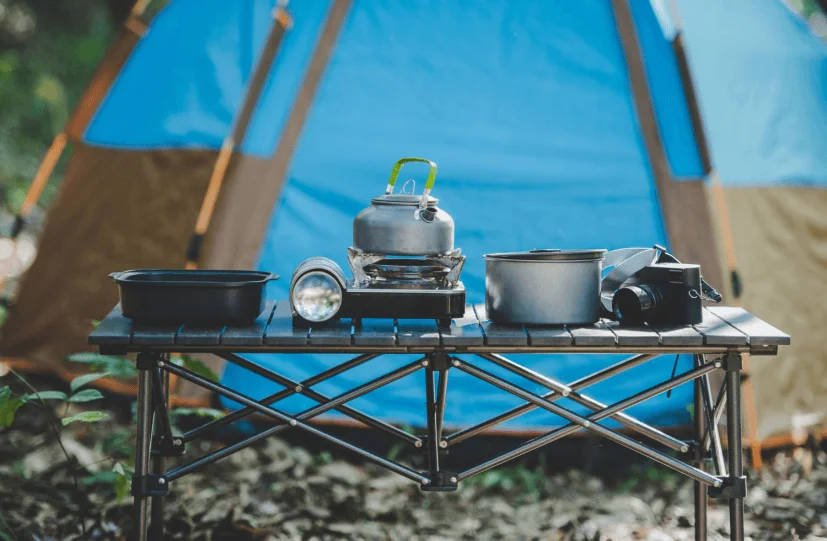
Choose a flat, stable surface for your cooking station. Use a foldable table or a sturdy cooler as a base. Arrange your stove, utensils, and ingredients close together. Keep your cooking tools within arm’s reach. This setup reduces moving around and keeps things neat.
Maximizing Limited Space
Use stackable containers to save space. Hang utensils on hooks or a string nearby. Pack multi-use tools to cut down on gear. Store dry ingredients in clear bags or small jars. Keep your cooking area clutter-free by putting items away after use.
Safety And Cleanliness Tips
Keep raw foods separate from cooked meals to avoid contamination. Use a dedicated cutting board for meat and veggies. Always have a trash bag nearby to collect waste. Clean your hands and surfaces regularly with wipes or water. Store food in sealed containers to protect from bugs and animals.
Meal Planning For Camping
Planning meals for camping makes cooking simple and fun. It helps save time and reduces waste. Good meal planning ensures you have enough food that stays fresh. It also keeps your energy up for outdoor activities.
Easy And Nutritious Recipes
Choose recipes with few ingredients and simple steps. Think about meals like grilled chicken, veggie wraps, or pasta salads. These recipes need little cooking and taste great. They provide good energy from proteins, carbs, and veggies. Try to include fruits and nuts for snacks. They are healthy and easy to carry.
Prepping Ingredients Ahead
Prepare ingredients before your trip to save time at camp. Chop vegetables, marinate meats, and mix spices at home. Store them in sealed containers or zip bags. This keeps food fresh and ready to cook. Pre-measuring spices and sauces also speeds up cooking. Pack ingredients in a cooler or insulated bag to keep them cold.
Handling Perishables Outdoors
Keep perishable foods cold to avoid spoilage. Use ice packs or blocks in your cooler instead of small ice cubes. Keep the cooler in shade and avoid opening it often. Use separate coolers for drinks and food to keep food colder longer. Check food regularly for freshness. Cook perishables early in the day for safety.

Credit: girlcamper.com
Lighting And Power Options
Setting up the right lighting and power options is key for a smooth camping kitchen experience. Good lighting helps you cook safely and enjoy meals after sunset. Power sources keep your gadgets and lights running all night. Choose options that fit your camping style and needs.
Campfire Vs. Portable Lights
Campfires give natural light and warmth. They create a cozy place to gather. But campfires need space and dry wood. Smoke can bother some people. Portable lights are easy to carry and use. LED lanterns and headlamps shine bright. They work well in windy or wet weather. Portable lights do not need firewood or matches.
Battery And Solar Solutions
Batteries power many camping gadgets and lights. Keep extra batteries for longer trips. Rechargeable batteries save money and reduce waste. Solar chargers collect energy from the sun. They keep batteries full during the day. Solar power works best in sunny spots. Choose light devices to save power. Combine battery and solar options for backup.
Enhancing Visibility After Dark
Bright light helps you avoid accidents. Use lanterns around the cooking area. Clip small lights to backpacks or tents. Reflective tape on gear improves visibility. Set up lights at different heights for better coverage. Keep a flashlight ready for quick use. Adjust light brightness to save battery life.
Storage And Waste Management
Setting up your camping kitchen is not just about cooking gear. Managing food storage and waste is key to a smooth trip. Proper storage keeps food fresh and animals away. Good waste management helps keep the campsite clean and safe.
These practices protect nature and make your camping experience better. Let’s explore simple ways to handle storage and waste during camping.
Food Storage Techniques
Store food in airtight containers to keep bugs out. Use coolers with ice packs to keep perishable items fresh. Hang food bags from a tree branch at least 10 feet off the ground. Use bear-proof containers if camping in bear country. Keep raw and cooked foods separate to avoid contamination. Plan meals ahead to bring only what you need. This reduces waste and saves space.
Dealing With Trash Responsibly
Always pack out all trash from the campsite. Use sealable bags to store garbage until you find a disposal site. Avoid burning trash; it pollutes the air and leaves harmful waste. Sort recyclables and pack them separately. Use small trash bins or bags to keep the area tidy. Clean cooking utensils and pack leftover food scraps to avoid attracting animals.
Protecting Wildlife And Environment
Never leave food or trash unattended. Animals can get sick from human food. Dispose of waste far from water sources to prevent pollution. Follow local rules about waste disposal and campfires. Respect nature by leaving no trace of your visit. Keep your campsite clean to protect plants and animals. Small actions keep the environment safe for future campers.

Credit: www.lifeintents.com
Enhancing Outdoor Cooking Experience
Cooking outdoors can be a fun and rewarding part of camping. A well-planned kitchen setup makes cooking easier and more enjoyable. It helps you prepare meals quickly and keeps the space neat. Small touches can turn your cooking time into a relaxing and fun experience. Here are some ideas to enhance your outdoor cooking experience.
Adding Comfort And Convenience
Use a foldable table to create a stable workspace. Bring portable chairs to sit while cooking or eating. Keep essential tools in a waterproof box for easy access. Use a camping stove with multiple burners for faster cooking. Place a small trash bin nearby to keep the area clean. Have a water container with a spout for washing hands and utensils.
Entertainment Ideas While Cooking
Play soft music to create a pleasant atmosphere. Use a small portable speaker that runs on batteries. Tell stories or share jokes to keep everyone engaged. Bring a deck of cards or simple games for short breaks. Let nature sounds be part of your cooking soundtrack. Enjoy the fresh air and watch the sunset as you cook.
Tips For Cooking With Kids
Give children simple tasks like washing vegetables or stirring. Use colorful utensils to make cooking fun and safe. Keep sharp tools out of reach but nearby for quick use. Teach kids basic safety rules around the stove and fire. Praise their help to build confidence and interest. Prepare easy recipes that kids can watch or help make.
Frequently Asked Questions
What Essential Items Are Needed For A Camping Kitchen Setup?
Essential items include a portable stove, cookware, utensils, cutting board, and food storage containers. A cooler and water jug are also vital. These basics ensure you can cook and store food safely while camping.
How To Organize A Compact Camping Kitchen Efficiently?
Use stackable containers and multi-purpose tools to save space. Keep frequently used items accessible. Label containers and use a folding table for prep. Efficient organization minimizes clutter and speeds up meal preparation outdoors.
What Are The Best Cooking Methods For Camping Kitchens?
Grilling, boiling, and using portable stoves are ideal. These methods are simple, safe, and fuel-efficient. Choose cooking techniques that match your equipment and campsite rules for a smooth outdoor cooking experience.
How To Keep Food Safe In A Camping Kitchen?
Store perishables in a cooler with ice packs. Use airtight containers to prevent contamination and pests. Keep raw and cooked foods separate. Maintain cleanliness to avoid foodborne illnesses while camping.
Conclusion
A good camping kitchen setup makes cooking outside easy and fun. Keep your tools organized and simple. Choose items that are light and easy to clean. Plan your space to save time and avoid mess. Remember to pack only what you need.
A well-prepared kitchen helps you enjoy meals in nature. Try different ideas to find what works best. Enjoy cooking under the open sky with less hassle. Camping meals become better with the right setup. Simple steps lead to great outdoor cooking experiences.