
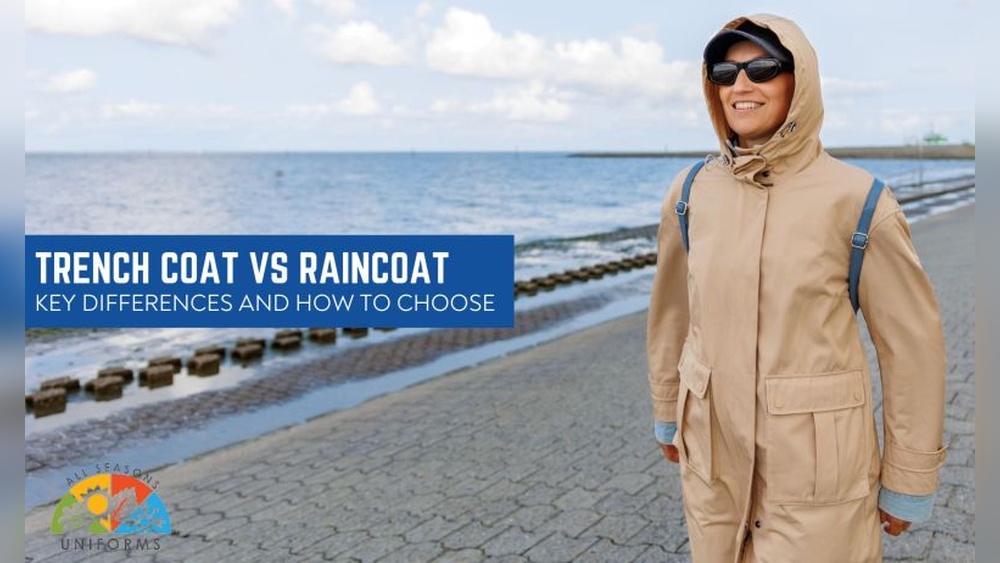
Have you ever stood in the rain wondering if your jacket will keep you dry? You might think a raincoat and a waterproof jacket are the same, but they’re actually quite different.
Knowing the difference can save you from getting soaked and uncomfortable. You’ll discover what sets these two apart and which one suits your needs best. Keep reading to make sure your next rainy day outfit works perfectly for you.
Materials Used
Materials play a key role in the difference between a raincoat and a waterproof jacket. Both use special fabrics and coatings. These help keep water out but work in different ways. Understanding the materials helps you choose the right gear for wet weather.
Fabric Types
Raincoats often use heavier fabrics like polyester or nylon. These materials are tightly woven to block rain. Some raincoats use plastic or rubber layers inside. This makes them stiff but very water-resistant.
Waterproof jackets use lighter fabrics. They often have breathable materials like Gore-Tex or similar membranes. These fabrics keep rain out but allow sweat to escape. This helps you stay dry and comfortable.
Waterproof Coatings
Raincoats usually rely on thick coatings. These include rubber or PVC layers. The coating fully blocks water but can trap heat inside.
Waterproof jackets use thin, advanced coatings. These include Durable Water Repellent (DWR) finishes. The coatings make the fabric shed water easily. They also keep the jacket light and flexible.

Credit: wearce.com
Design Features
Design features set raincoats and waterproof jackets apart. These features affect comfort, protection, and style. Understanding these details helps choose the right outerwear.
Length And Coverage
Raincoats usually have a longer design. They cover more of your body, often reaching the knees. This length protects your legs from rain and wind. Waterproof jackets tend to be shorter, ending at the waist or hips. This makes them lighter and easier to move in. The length affects where each garment works best. Raincoats suit heavy rain and longer exposure. Waterproof jackets fit active use and mild weather.
Ventilation Options
Ventilation is key to comfort during wet weather. Raincoats often have fewer ventilation features. Their focus is on full coverage and keeping water out. Waterproof jackets include vents under the arms or on the back. These vents let air flow, reducing sweat and heat. Some jackets use breathable fabrics to keep dry inside. Good ventilation helps avoid feeling sticky and hot. This design suits physical activities like hiking or biking.
Water Resistance Levels
Understanding the water resistance levels helps you choose the right jacket. Raincoats and waterproof jackets differ in how much water they block. This difference affects comfort and protection during wet weather. Knowing these levels prevents getting soaked or feeling too hot inside your jacket.
Waterproof Vs. Water-resistant
Waterproof jackets stop all water from getting in. They have special membranes or coatings that block rain completely. Water-resistant jackets resist some water but not all. Light rain or splashes stay out, but heavy rain can soak through. Raincoats often fall between these two types. They can be water-resistant or waterproof depending on materials and design.
Testing Standards
Manufacturers test jackets to rate their water resistance. They use pressure tests to see how much water the fabric can hold back. A higher rating means better waterproofing. Some jackets have ratings like 5,000 mm or 20,000 mm. This number shows how tall a water column the fabric can resist. Look for these ratings to know if a jacket will keep you dry in strong rain.
Breathability Factors
Breathability is a key factor when choosing between a raincoat and a waterproof jacket. It determines how well the jacket lets sweat escape while keeping rain out. This affects comfort, especially during physical activities. Understanding breathability helps pick the right outerwear for your needs.
Moisture Management
A waterproof jacket often has a special membrane or coating. This layer blocks rain but allows sweat vapor to pass through. It helps keep the inside dry and reduces dampness from sweat. Raincoats may lack this feature and trap moisture inside. This can make you feel wet and uncomfortable over time.
Comfort During Activity
Breathable jackets are better for active use. They prevent overheating by letting sweat escape. Raincoats are usually heavier and less breathable, causing sweat buildup. This can lead to chills when you stop moving. Waterproof jackets with good breathability keep you dry and comfortable during walks or hikes.
Weight And Packability
Weight and packability are key factors when choosing between a raincoat and a waterproof jacket. These features affect how easy it is to carry the jacket and how comfortable it feels during wear. Understanding these differences helps you pick the right outerwear for your needs.
Bulkiness Comparison
Raincoats tend to be bulkier due to thicker materials and added lining. This extra bulk can make them heavier and less comfortable. Waterproof jackets usually use lightweight fabrics that reduce bulk. They fit closer to the body and feel less heavy. Less bulk means easier movement and better comfort.
Portability
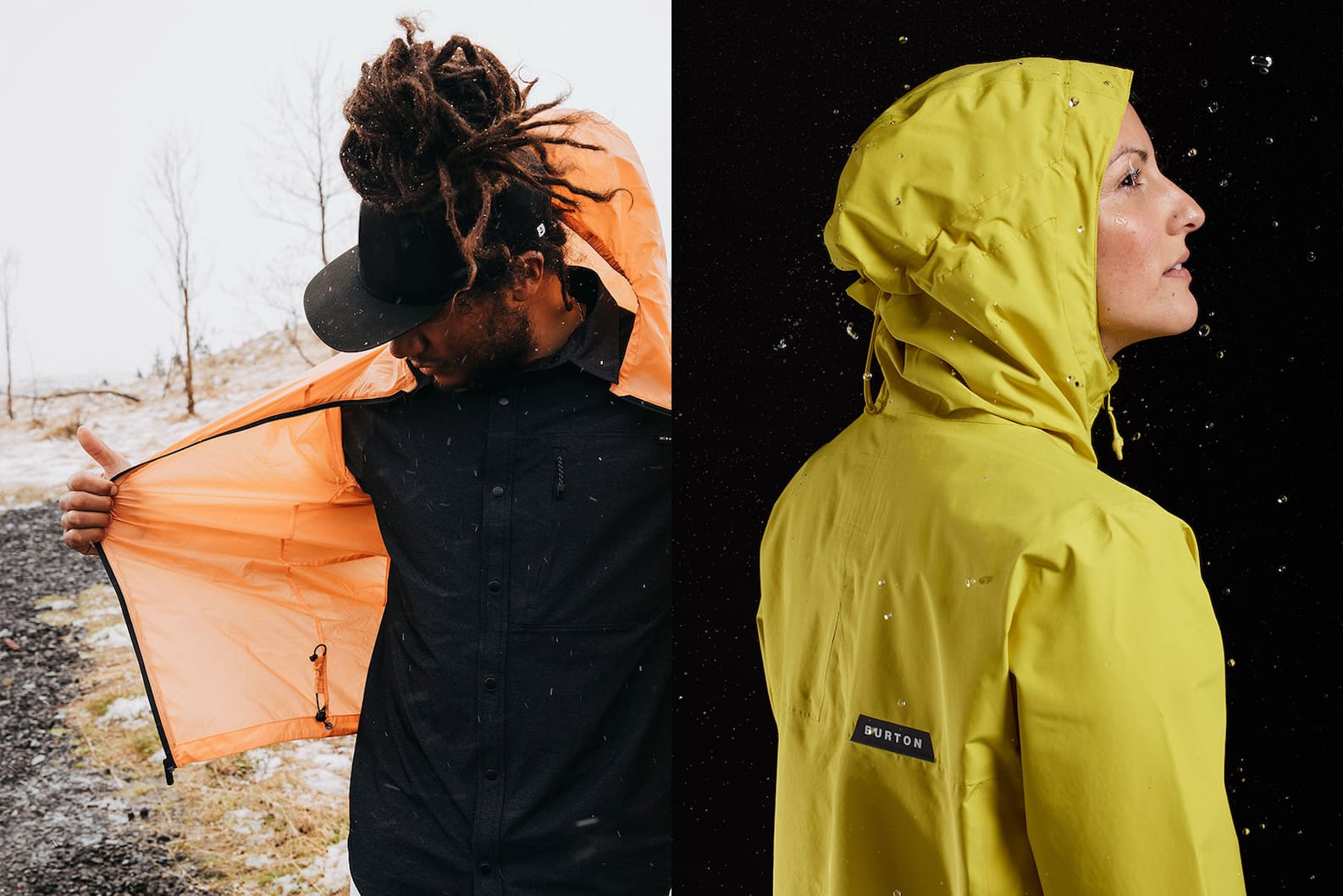
Waterproof jackets are designed for easy packing. Many fold into small pouches or pockets. This makes them simple to carry in a backpack or bag. Raincoats are larger and harder to compress. They take up more space and add weight to your load. For travel or daily carry, waterproof jackets win in portability.
Credit: www.burton.com
Intended Use Cases
Understanding the intended use cases helps choose between a raincoat and a waterproof jacket. Both protect from rain but serve different purposes. Knowing where and how you plan to use them makes a big difference. This section explains the best uses for each type of outerwear.
Urban Vs. Outdoor Activities
Raincoats suit city life well. They often have a simple design and focus on style. Raincoats are perfect for walking, commuting, or casual outings. They keep you dry without feeling bulky.
Waterproof jackets excel in outdoor activities. Hiking, camping, or cycling need durable and breathable gear. These jackets handle rough weather and heavy rain better. They allow more movement and usually have extra features like vents and pockets.
Seasonal Suitability
Raincoats work best in mild or cool seasons. They offer enough protection for light to moderate rain. Some raincoats have a lining for a bit of warmth.
Waterproof jackets fit well in all seasons. Many come with insulation for cold weather. Some are lightweight for summer rain. They adapt to changing weather with layered options.
Care And Maintenance
Caring for raincoats and waterproof jackets keeps them effective and lasting longer. Proper care prevents damage and maintains water resistance. It also keeps the fabric clean and fresh. Each type needs specific cleaning and maintenance steps to work well over time.
Cleaning Tips
Always follow the care label instructions on your jacket. Use mild soap or detergent made for waterproof fabrics. Avoid bleach and fabric softeners. Hand washing is best for delicate raincoats. For machine washing, use a gentle cycle with cold water. Rinse thoroughly to remove all soap. Hang dry your jacket in a shaded area. Never use a dryer or iron on waterproof jackets. Regular cleaning removes dirt and oils that block water resistance.
Durability Considerations
Check seams and zippers regularly for wear and tear. Repair small holes or tears quickly. Use seam tape or patches for fixes. Store jackets in a cool, dry place away from direct sunlight. Avoid folding jackets tightly to prevent creases. Reapply a waterproof spray or wash-in treatment after several washes. This restores water resistance and extends jacket life. Proper care helps your raincoat or waterproof jacket stay durable and reliable.

Credit: www.columbia.com
Frequently Asked Questions
What Is The Main Difference Between Raincoat And Waterproof Jacket?
A raincoat primarily blocks rain with a loose fit and often lacks breathability. Waterproof jackets use advanced materials for full water resistance and better ventilation.
Are Raincoats And Waterproof Jackets Suitable For Heavy Rain?
Waterproof jackets are better for heavy rain due to sealed seams and breathable fabrics. Raincoats may keep you dry but can trap moisture inside.
Can A Raincoat Be Used As A Waterproof Jacket?
A raincoat can protect against rain but may not be fully waterproof. Waterproof jackets offer superior protection with technical fabrics and seam sealing.
Which Is More Breathable: Raincoat Or Waterproof Jacket?
Waterproof jackets are typically more breathable, allowing sweat to escape. Raincoats often lack breathability, causing discomfort during extended wear.
Conclusion
Raincoats and waterproof jackets both protect you from rain. Raincoats are usually lighter and more breathable. Waterproof jackets keep water out better but can feel heavier. Choose based on your needs and weather conditions. Both help you stay dry and comfortable.
Knowing the difference helps you pick the right gear. Stay prepared, no matter the weather.