
Have you ever bought a rain jacket only to find out it didn’t keep you dry? It’s frustrating, right?
You want to stay comfortable and protected when the weather turns wet. But how can you be sure your rain jacket is truly waterproof and not just water-resistant? You’ll discover simple ways to tell if your jacket can handle a downpour or if it will leave you soaked.
Keep reading—your next outdoor adventure depends on it.
Waterproof Vs Water-resistant
Understanding the difference between waterproof and water-resistant jackets helps you choose the right rain gear. Both types protect you from rain, but they do it in different ways. Knowing these differences can keep you dry and comfortable during wet weather.
Key Differences
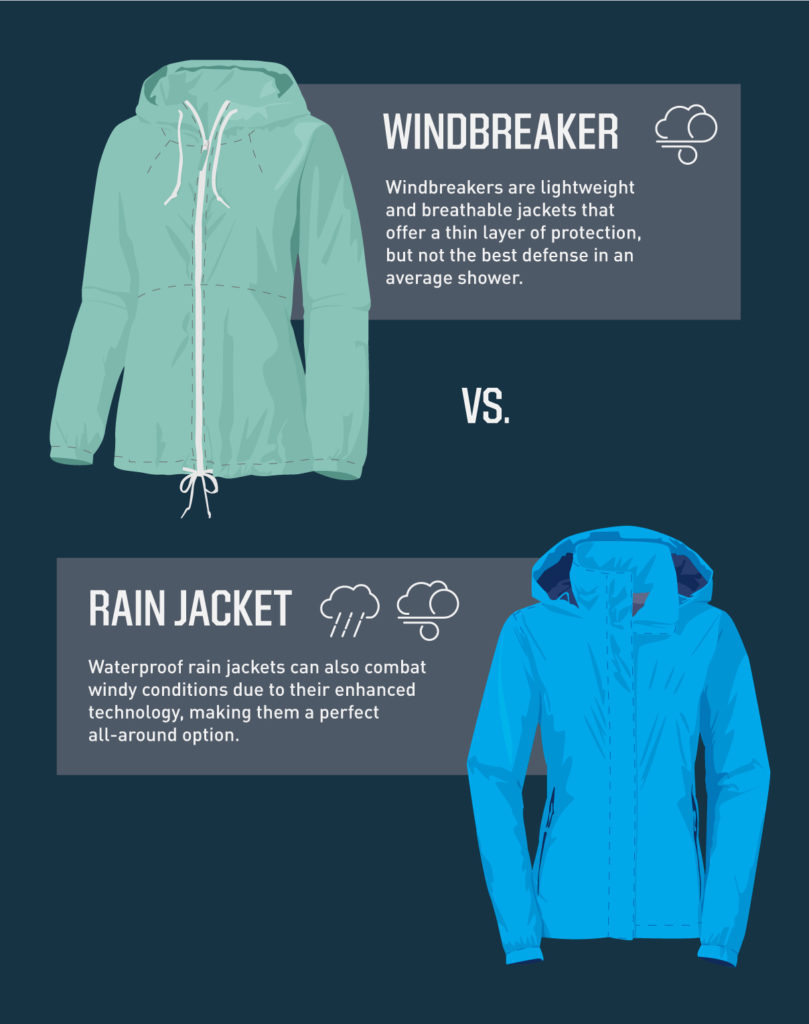
Waterproof jackets block water completely. They use special materials and sealed seams. Water-resistant jackets repel water but only to some extent. They can handle light rain but not heavy downpours. Waterproof fabrics often have a membrane or coating. Water-resistant fabrics usually have a tight weave or a spray treatment.
Performance In Wet Conditions
Waterproof jackets keep you dry in heavy rain. They prevent water from soaking through even in strong storms. Water-resistant jackets work well in light rain or drizzle. They may let water seep through during long or heavy rain. Waterproof jackets often include features like storm flaps and adjustable cuffs. These help seal out water completely. Water-resistant jackets are better for short trips or mild weather.
Materials That Keep You Dry
Materials play a big role in keeping you dry during rain. A rain jacket’s fabric and inner layers stop water from getting inside. Not all jackets use the same materials. Some fabrics block water better than others. Knowing what materials a jacket uses helps you pick the right one for wet weather. This guide explains the common waterproof fabrics and the special membranes that make rain jackets effective.
Common Waterproof Fabrics
Nylon and polyester are popular fabrics in rain jackets. They are light and strong. These fabrics do not absorb water easily. Many jackets add a water-resistant coating on top of these fabrics. This coating makes water bead up and roll off the jacket. Some jackets have a tighter weave in the fabric. The tight weave helps keep rain out. Cotton is usually not waterproof. It soaks water and gets heavy.
Waterproof Membranes Explained
Waterproof membranes are thin layers inside the jacket. These layers stop water from passing through. At the same time, they let sweat and moisture escape. This keeps you dry and comfortable. Common membranes include Gore-Tex and eVent. They have tiny pores that are smaller than water drops but larger than sweat drops. This stops rain while letting air flow. Membranes are often combined with waterproof fabrics for better protection.
Seam Construction And Sealing
Seam construction and sealing are key to a rain jacket’s waterproof ability. Water can seep through tiny gaps where fabric pieces join. Strong seams stop water from entering through these weak points.
Good seam construction means the jacket keeps you dry even in heavy rain. Poor seams let water leak inside quickly. That’s why checking seam quality is important when choosing a rain jacket.
Why Seams Matter
Seams join different fabric parts of a jacket. These lines can be weak spots for water entry. If seams are not sealed well, water can easily get inside. Well-made seams keep the jacket fully waterproof and comfortable.
Seams also affect jacket durability. Strong seams last longer and resist wear and tear. Weak seams can split or fray over time, reducing waterproof protection. Checking seam strength helps pick a jacket that lasts.
Types Of Seam Taping
Seam taping adds a waterproof layer over stitched seams. It blocks water from going through needle holes. Different taping types offer various levels of protection.
Basic seam tape is glued on top of seams. It helps but can wear off after some use. Fully taped seams have tape inside and outside. These provide the best waterproof seal and last longer.
Some jackets use welded seams instead of stitching. This method melts fabric edges together for a seamless bond. Welded seams stop water leaks completely but cost more.
Credit: www.rei.com
Waterproof Ratings And Standards
Waterproof ratings and standards help you understand how well a rain jacket protects you from rain. These ratings show the jacket’s ability to keep water out during different weather conditions. Knowing these ratings makes choosing the right jacket easier. You get the protection you need without guessing.
Understanding Hydrostatic Head
Hydrostatic head measures water resistance in millimeters. It shows how much water pressure a fabric can handle before leaking. Higher numbers mean better waterproofing. For example, 5,000 mm means the fabric holds up under 5,000 millimeters of water. This test mimics real rain pressure on the jacket. Look for jackets with at least 5,000 mm for light rain. For heavy rain, 10,000 mm or more is best.
Industry Certifications
Certifications prove a jacket meets set waterproof standards. Common ones include ISO and ASTM. These tests check water resistance, breathability, and durability. Certified jackets have passed strict lab tests. They offer reliable protection from rain. Some brands display these certificates on labels or tags. Always check for certifications to trust your jacket’s waterproof claims.
Additional Features For Waterproofing
Rain jackets need more than just waterproof fabric to keep you dry. Small design details make a big difference. These features stop water from sneaking in through openings and seams. They help your jacket work better in heavy rain and strong wind. Check these extra parts carefully when choosing your rain jacket.
Waterproof Zippers
Zippers are weak spots for water to enter. Waterproof zippers have a special coating or seal. This stops water from leaking through the zipper teeth. Some zippers are covered by a thin rubber or plastic layer. Others have a flap that covers the zipper completely. Both types keep water out and protect you better.
Storm Flaps And Adjustable Hoods
Storm flaps cover the zipper or buttons on the jacket. They act as a shield against rain and wind. This flap usually closes with Velcro or snaps. It stops water from sneaking through small gaps.
Adjustable hoods fit tightly around your head. They keep rain from running down your neck and face. Drawstrings or toggles let you tighten the hood. This prevents water from leaking inside during storms.
Testing Your Rain Jacket At Home
Testing your rain jacket at home helps you know if it really keeps water out. You do not need special tools. Just a few simple steps can show how waterproof your jacket is. This way, you can avoid getting wet during rainy days. It also saves money and trouble from buying the wrong jacket.
Simple Water Tests
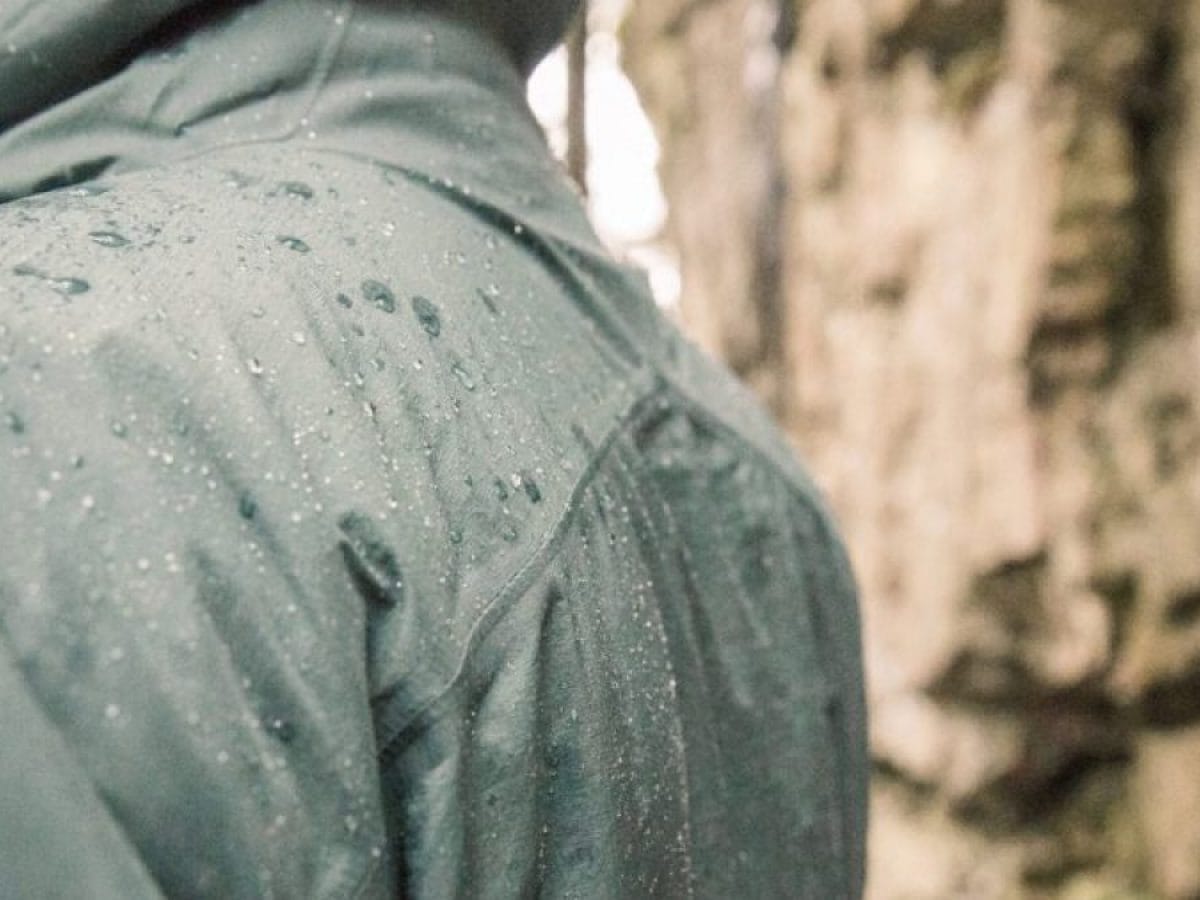
First, lay your jacket flat on a clean surface. Use a spray bottle or cup to pour water on the jacket’s outer fabric. Watch how the water behaves. Does it bead up or soak in quickly? Try pressing a dry cloth on the wet spots to see if any water passes through. Another test is to wear the jacket and pour water slowly over it. Feel inside if any dampness appears. These tests are quick and easy to perform at home.
What To Look For During Testing
Focus on how water reacts on the fabric. Water should form small droplets and roll off. If the fabric soaks water, it is not fully waterproof. Check seams and zippers too. Water can leak through weak spots there. Inside the jacket, the fabric should stay dry. Any wetness means the jacket lets water in. Also, feel the jacket’s weight. Waterproof jackets often feel slightly heavier due to their coating. These signs help you decide if your jacket is truly waterproof.
Care Tips To Maintain Waterproofing
Maintaining your rain jacket’s waterproofing keeps you dry and comfortable. Proper care helps the jacket last longer and work better in wet weather. Small steps can protect the fabric and keep water from soaking through.
Follow these care tips to keep your jacket’s waterproof coating strong. Clean it gently and reapply water repellent treatment when needed. This care ensures your jacket stays reliable on rainy days.
Cleaning Without Damage
Use mild soap or detergent made for waterproof gear. Avoid regular laundry detergents that can harm the jacket’s coating. Wash the jacket gently by hand or use a gentle machine cycle.
Rinse well to remove all soap. Do not use fabric softeners or bleach. Let the jacket air dry away from direct sunlight or heat sources. Clean dirt and oils carefully to protect waterproof layers.
Reapplying Durable Water Repellent (dwr)
Over time, water stops beading on the jacket’s surface. This means the DWR coating is wearing off. Use a spray or wash-in DWR product to restore water resistance.
Apply DWR on a clean, dry jacket following product instructions. Heat the jacket slightly in a dryer or with an iron on low to activate the coating. This step helps water to bead and roll off again.
Regularly reapply DWR after several washes or when water no longer beads up. This keeps your rain jacket effective in heavy rain and wet conditions.

Credit: www.transportationincostarica.com
Choosing The Right Jacket For Your Needs
Choosing the right rain jacket is key to staying dry and comfortable. Different jackets suit different needs. Consider what activities you will do. Think about weather conditions and how long you will wear the jacket. A good jacket protects you without making you sweat. Finding the right balance matters.
Activity-specific Considerations
Choose a jacket based on your activity. Hiking needs lightweight and breathable jackets. Cycling jackets often have extra visibility features. For city use, style and comfort might be more important. Heavy rain needs stronger waterproof fabrics. Light showers can work with water-resistant options. Match your jacket to your usual outdoor plans.
Balancing Breathability And Protection
A jacket must keep rain out and let sweat escape. Breathability prevents overheating and wet clothes inside. Waterproof fabrics with vents help air flow. Look for jackets with adjustable cuffs and hoods. These features improve comfort and fit. Too much protection can trap heat. Too little lets water in. Find a jacket that balances both well.
Credit: www.doorsmontage.com
Frequently Asked Questions
How Can I Identify A Waterproof Rain Jacket?
Look for labels like “waterproof” or “water-resistant. ” Check for sealed seams, waterproof zippers, and durable water repellent (DWR) coating. These features ensure the jacket prevents water penetration effectively.
What Materials Make A Rain Jacket Waterproof?
Common waterproof materials include Gore-Tex, eVent, and polyurethane laminates. These fabrics have special membranes that block water but allow sweat to escape, keeping you dry and comfortable.
Why Are Sealed Seams Important In Rain Jackets?
Sealed seams prevent water from entering through stitching holes. Without sealing, water can seep through, making the jacket ineffective in heavy rain.
How Does Dwr Coating Affect Waterproofing?
DWR coating causes water to bead and roll off the fabric surface. It enhances waterproofing but may wear off over time and needs reapplication for continued protection.
Conclusion
Knowing if a rain jacket is truly waterproof matters. Check the material and labels for waterproof ratings. Look for sealed seams and water-resistant zippers. A good jacket keeps rain out while letting sweat escape. Test it by sprinkling water on the fabric.
If water beads up and rolls off, it works well. Choose a jacket that fits your needs and weather. Stay dry and comfortable on rainy days. Simple checks help you pick the right rain jacket every time.