
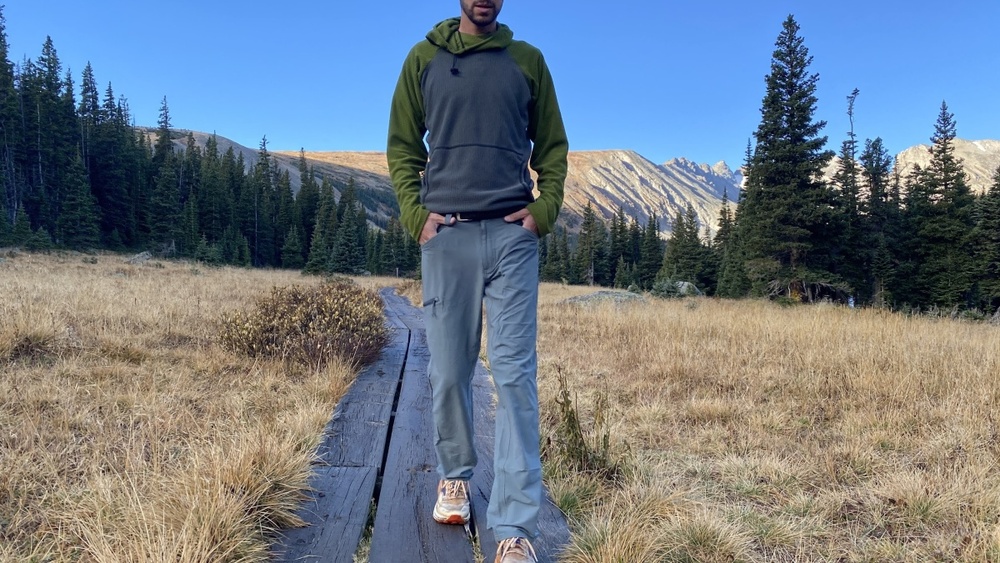
Choosing the right pants for hiking can make a huge difference in your comfort and safety on the trail. You want something that moves with you, protects you from the elements, and keeps you comfortable no matter the weather.
But with so many options out there, it’s easy to feel overwhelmed. What pants will keep you dry when it rains? Which ones will protect you from scratches and bugs? And what about breathability when the temperature rises? Keep reading, because we’re about to break down everything you need to know to pick the perfect hiking pants for your next adventure.
Your legs will thank you!
Choosing The Right Fabric
Choosing the right fabric for hiking pants is very important. The fabric affects comfort, protection, and how well you perform on the trail. Different fabrics offer unique benefits. Some keep you cool, others protect you from rain or rough terrain. Knowing these options helps you pick pants that fit your needs. Here are key fabric features to consider for hiking pants.
Breathable Materials
Breathable fabrics allow air to flow through. This helps sweat evaporate and keeps you dry. Common breathable materials include nylon and polyester blends. These fabrics are lightweight and feel cool. They prevent overheating during long hikes or warm weather. Breathable pants reduce discomfort from moisture buildup. You stay fresh and focused on the trail.
Water-resistant Options
Water-resistant fabrics protect you from rain and wet conditions. These pants keep water from soaking through. Materials like treated nylon or polyester work well. They repel light rain and splashes. Water-resistant pants dry quickly after getting wet. Staying dry helps avoid chills and discomfort. Choose these pants for unpredictable weather or wet trails.
Durability Factors
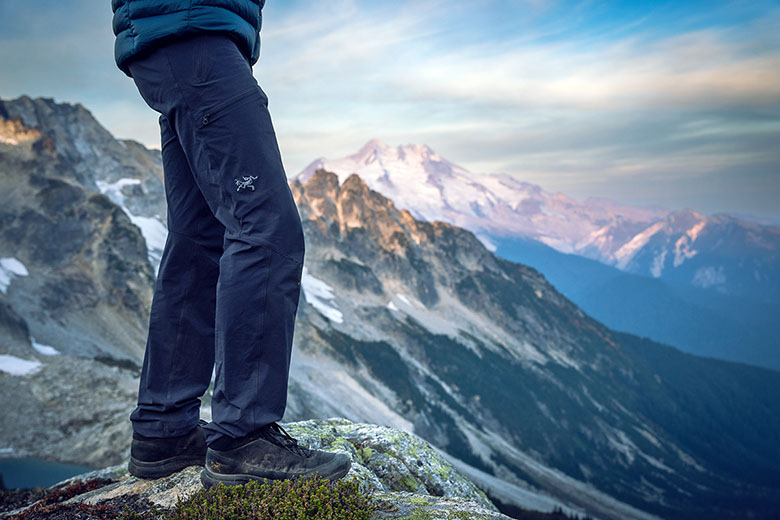
Durability matters on rough trails. Hiking pants must resist tears and abrasions. Fabrics with ripstop weaving or reinforced stitching last longer. Heavy-duty nylon and polyester blends offer strong wear resistance. Durable pants protect your legs from branches and rocks. They save money by lasting through many hikes. Pick pants built to handle tough outdoor conditions.
Credit: www.switchbacktravel.com
Types Of Hiking Pants
Choosing the right pants is important for a good hiking experience. Different pants suit different weather and trail conditions. Knowing the types helps you pick pants that keep you comfortable and safe. Here are some common hiking pants types that many hikers prefer.
Convertible Pants
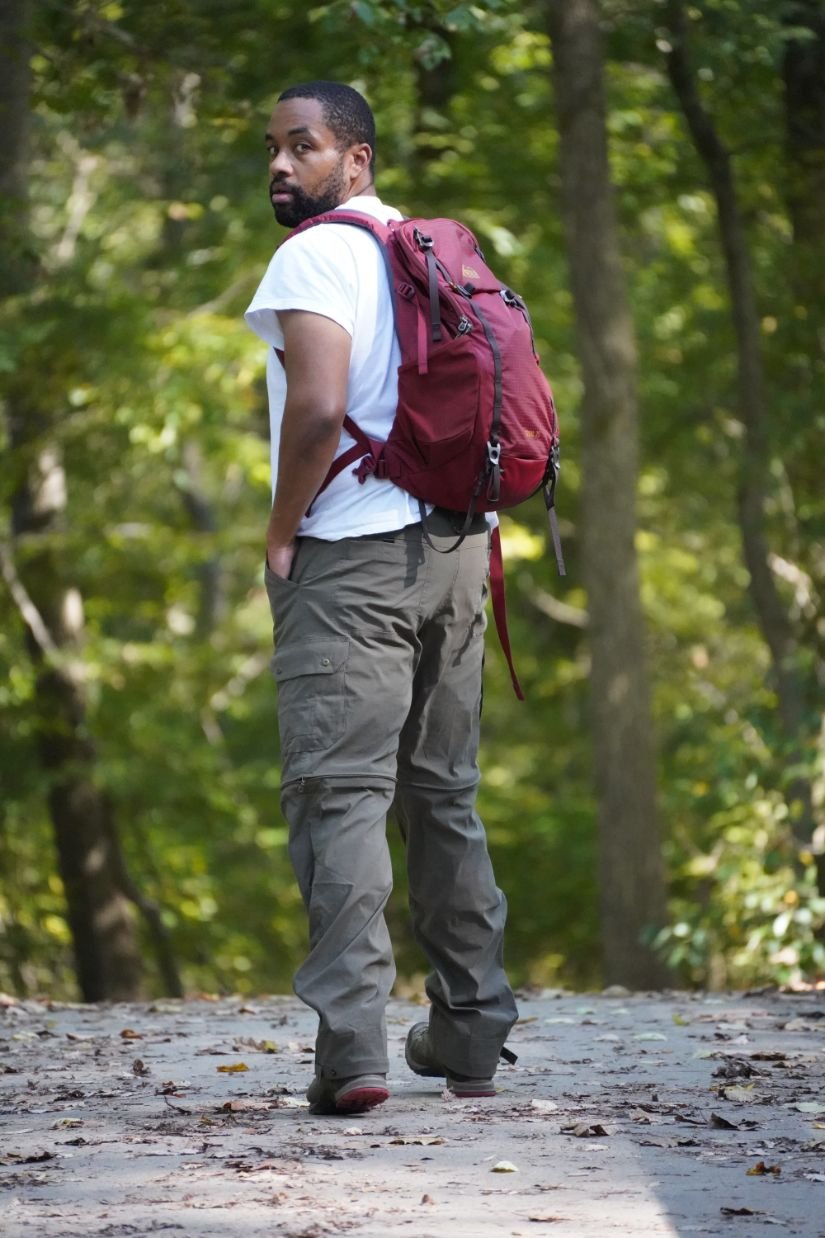
Convertible pants are very flexible. They have zippers around the knees to turn into shorts. This design lets you adjust to changing weather easily. Warm sun? Unzip and enjoy shorts. Cool breeze? Zip up and stay warm. They are great for long hikes with mixed weather.
Softshell Pants
Softshell pants offer good wind and water resistance. They have stretchy fabric for easy movement. These pants breathe well and dry quickly. They protect against light rain and cold wind. Perfect for tough trails and cooler days. Softshell pants keep you comfortable without feeling heavy.
Lightweight Trousers
Lightweight trousers are made from thin, quick-dry fabric. They are very breathable and allow air to flow. These pants work well in hot weather or humid places. They protect your legs from sun and bugs. Lightweight trousers are easy to pack and carry on your hike.
Fit And Comfort
Choosing the right pants for hiking means focusing on fit and comfort. Pants that fit well help you move easily and avoid skin irritation. Comfort keeps you focused on the trail, not on adjusting your clothes. Let’s explore important factors for finding hiking pants that feel just right.
Proper Sizing Tips
Pick pants that match your true size. Avoid pants that are too tight or too loose. Tight pants can restrict movement and cause chafing. Loose pants may catch on branches or slow you down. Try pants on with hiking boots to check the fit at the ankles. Make sure the length covers your legs but does not drag on the ground.
Mobility And Flexibility
Choose pants made from stretchy materials. Stretch allows you to bend, squat, and climb with ease. Look for fabrics with spandex or elastane for better flexibility. Pants should not feel stiff or restrict your steps. Test them by moving your legs in different directions. Comfort means freedom to move on rough and uneven trails.
Waistband And Adjustability
A good waistband keeps pants in place without digging into your skin. Adjustable waistbands with buttons, snaps, or Velcro provide a custom fit. Elastic waistbands offer comfort but check they don’t sag after long hikes. Belt loops are handy if you want extra support. Proper adjustability stops pants from sliding down or feeling tight during activity.
Seasonal Considerations
Choosing the right pants for hiking depends a lot on the season. Weather changes affect comfort and safety on the trail. Pants that work well in summer might not suit cold or wet conditions. Knowing how to pick pants for different seasons helps you enjoy your hike more.
Summer Hiking Pants
Summer pants should be light and breathable. Look for materials that dry fast and let air flow. Lightweight nylon or polyester work well. Avoid heavy fabrics that trap heat. Some pants have vents to keep you cool. Choose pants with UV protection to guard your skin from the sun.
Cold Weather Options
Cold weather pants need to keep you warm and block wind. Wool blends or insulated pants help retain heat. Layering is key; wear thermal leggings under your pants. Look for pants with windproof and water-resistant features. Stretchy materials allow movement even with extra layers.
Rain And Wet Conditions
Waterproof pants protect you from rain and mud. Choose pants with sealed seams to stop water from seeping in. Breathable fabrics prevent sweat buildup inside. Some pants come with adjustable cuffs to fit over boots. Quick-drying pants are best for wet trails and sudden showers.
Additional Features To Look For
Choosing hiking pants with smart features makes your trek easier and more comfortable. These extras help you carry gear, stay cool, and avoid tears. Focus on pockets, ventilation, and reinforcements for the best experience.
Pockets And Storage
Pockets keep essential items close. Look for pants with deep, secure pockets. Zip or flap closures prevent things from falling out. Side and thigh pockets offer easy access. Small hidden pockets are great for valuables. Enough storage means fewer bags to carry.
Ventilation And Zippers
Heat builds quickly on trails. Pants with ventilation zippers help cool down fast. Look for zippered vents along the thighs or calves. Open them to let air flow inside. This feature works well during steep climbs or hot days. Adjustable zippers also help adjust the fit.
Reinforced Knees And Seat
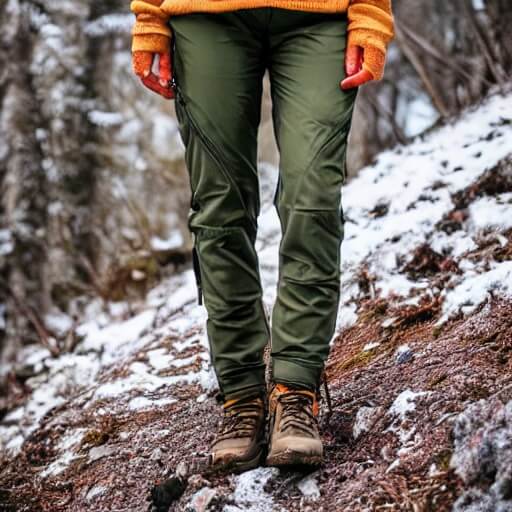
Hiking puts stress on knees and seat areas. Reinforced fabric in these spots adds strength. It prevents holes and tears from rocks or rough surfaces. Reinforcements increase the pants’ lifespan. They also offer extra protection during scrambles or sitting on rough ground.
Credit: cycorldpro.com
Care And Maintenance
Proper care and maintenance extend the life of your hiking pants. They keep the fabric strong and comfortable. Clean pants also perform better on the trail. Dirt and sweat can wear down materials over time. Taking a few simple steps will keep your pants ready for every hike.
Washing Tips
Wash hiking pants after every trip. Use cold water to keep colors bright. Choose a gentle detergent without bleach. Avoid fabric softeners because they reduce water resistance. Turn pants inside out to protect zippers and seams. Air dry pants to avoid shrinking or damage.
Stain And Odor Removal
Treat stains quickly to prevent setting. Dab stains with mild soap and water. Avoid rubbing hard, which can harm fabric. For odors, soak pants in a mix of water and vinegar. Let them air out in fresh air after washing. This helps remove smells without harsh chemicals.
Storage Guidelines
Store hiking pants in a cool, dry place. Avoid leaving them in direct sunlight for long. Fold pants neatly to prevent wrinkles. Keep them away from moisture to avoid mold. Use a breathable bag if storing for months. This keeps pants fresh and ready for your next adventure.
Top Brands And Recommendations
Choosing the right hiking pants is key for comfort and safety. Many brands offer pants made for different needs. Some focus on budget, others on advanced features. Knowing the best brands helps you pick pants that last and perform well. Here are top picks in three groups to guide your choice.
Budget-friendly Choices
For hikers on a budget, brands like Columbia and REI Co-op offer solid options. Their pants provide good durability and comfort. They use lightweight, quick-dry fabrics that keep you dry. These pants often include sun protection and some stretch for movement. You get value without sacrificing quality or function.
High-end Options
Patagonia and Arc’teryx lead in premium hiking pants. Their designs use advanced materials for breathability and water resistance. These pants fit well and last through tough conditions. Features like reinforced knees and articulated joints add comfort. They suit serious hikers who want top performance and durability.
Best Pants For Different Terrains
Mountain trails need tough pants like those from The North Face. They resist scrapes and dry fast. For desert hikes, lightweight pants with UPF protection work best. Brands like prAna offer these styles. In wet forests, waterproof pants from Outdoor Research keep you dry. Different terrains need pants designed for specific challenges.
Credit: darmizananak.com
Frequently Asked Questions
What Are The Best Pants For Hiking In Summer?
Lightweight, breathable, and moisture-wicking pants are ideal for summer hiking. Look for nylon or polyester blends that dry quickly and offer UV protection. Convertible pants with zip-off legs provide versatility for changing weather and terrain.
Should Hiking Pants Be Water-resistant Or Waterproof?
Water-resistant pants repel light rain and dry fast, suitable for mild conditions. Waterproof pants offer full protection but may reduce breathability. Choose based on expected weather and activity intensity.
Can I Wear Jeans For Hiking?
Jeans are not recommended for hiking. They absorb moisture, dry slowly, and restrict movement. Opt for flexible, quick-drying hiking pants for better comfort and safety on trails.
Are Zip-off Hiking Pants Practical?
Yes, zip-off hiking pants are practical. They allow easy conversion from pants to shorts, adapting to temperature changes and varied trail conditions efficiently.
Conclusion
Choosing the right pants helps make your hike safe and fun. Pick pants that fit well and match the weather. Look for materials that dry fast and protect from bugs. Comfort is key, so avoid anything too tight or heavy.
Remember, good pants can keep you moving all day. Enjoy the trail with the gear that works best for you. Simple choices lead to better hiking experiences every time.