

Have you ever wondered if your trusty trail running shoes can handle the snow? When winter hits, your usual running gear might not feel as reliable.
You want to stay comfortable, safe, and steady on slippery, icy paths. But are trail running shoes up for the challenge? Keep reading to discover if these shoes can really protect your feet and keep you moving when the ground is covered in snow.
You might be surprised by what you learn!
Trail Shoes In Snow
Trail running shoes are made for rough paths and uneven ground. Snow adds a new challenge to these shoes. They need to work well on slippery and cold surfaces. Understanding how trail shoes perform in snow helps choose the right footwear for winter runs.
Grip And Traction
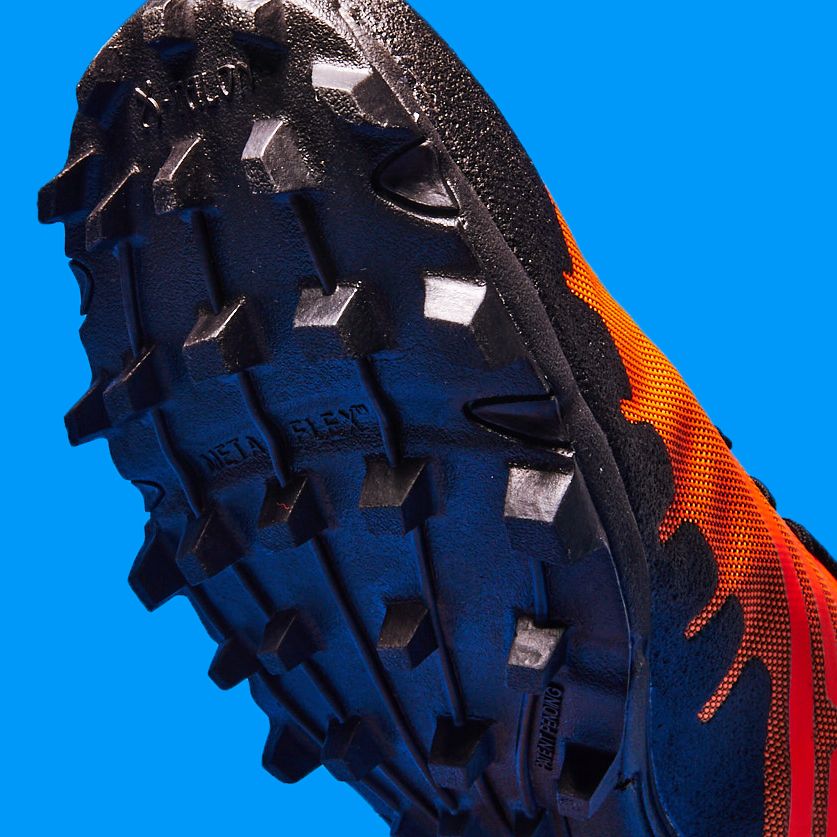
Grip is key on snowy trails. Trail shoes often have deep lugs that dig into soft ground. These lugs help prevent slipping on snow and ice. Some shoes use sticky rubber to improve traction. Good grip means safer and more confident steps in snow.
Water Resistance
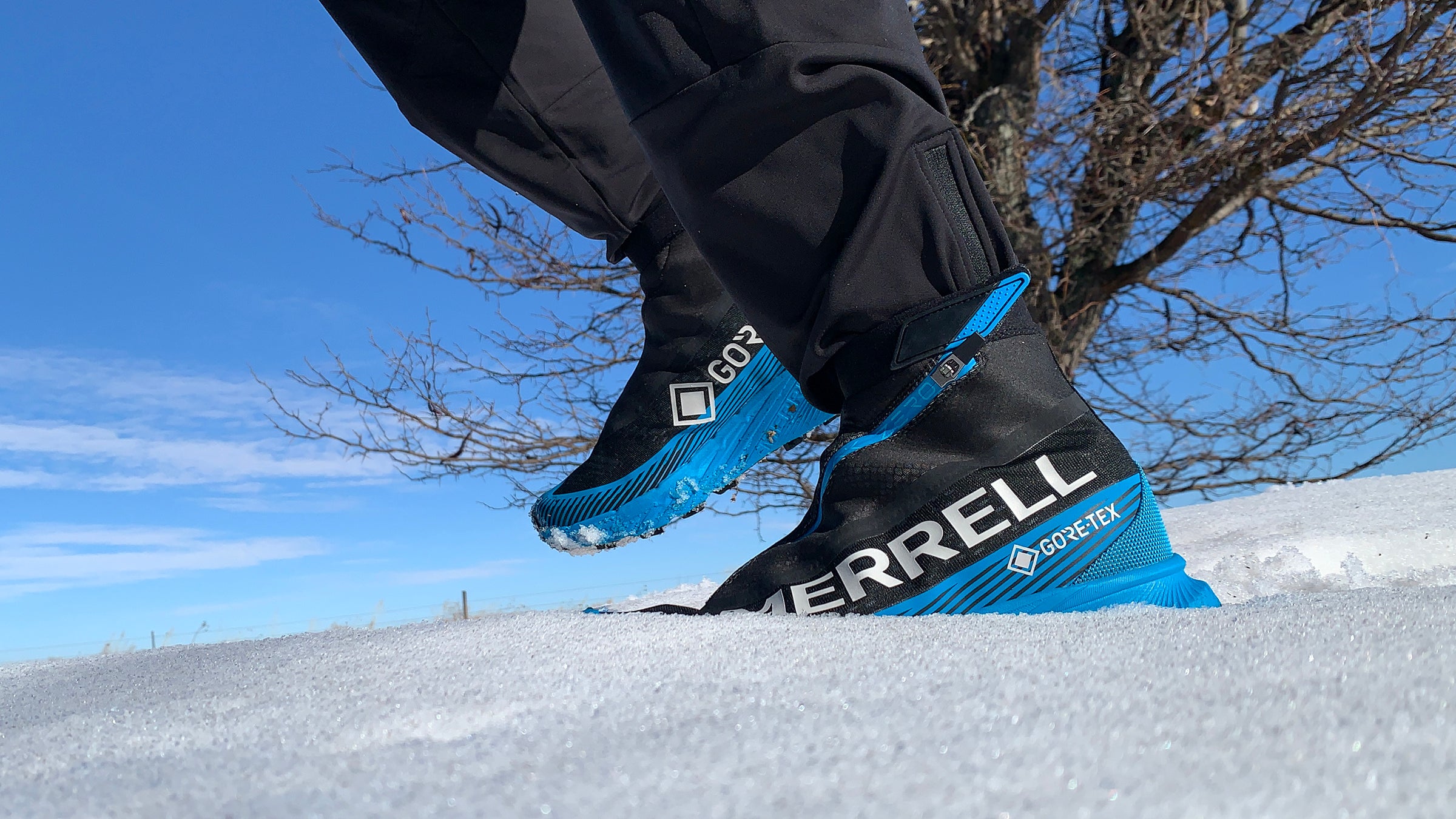
Snow melts and makes shoes wet quickly. Water-resistant trail shoes keep feet dry longer. Many shoes have special membranes that block water but let sweat escape. Dry feet reduce the chance of blisters and cold toes. Water resistance is important for comfort in snow.
Insulation And Warmth
Trail shoes usually focus on breathability, not warmth. Without extra insulation, feet can get cold fast in snow. Some trail shoes include light insulation to protect from cold. Wearing warm socks also helps keep feet cozy. Insulation adds comfort during cold winter runs.
Credit: vidscola.com
Comparing Trail And Snow Shoes
Trail running shoes and snow shoes serve different purposes. Each type is designed for specific conditions. Comparing them helps you understand their strengths and limits. This helps choose the right shoe for snow running or hiking.
Trail shoes focus on grip and comfort on dirt and rocks. Snow shoes prioritize warmth and traction on ice and snow. The differences matter for safety and performance.
Tread Patterns
Trail shoes have deep, wide lugs. These dig into soft dirt and mud. They provide good traction on uneven ground. Snow shoes have smaller, sharper treads. They often include metal studs. These stop slipping on ice and hard snow. Tread design affects grip in different environments.
Material Differences
Trail shoes use breathable, water-resistant fabrics. These keep feet dry but allow airflow. Snow shoes use insulated, waterproof materials. They protect feet from cold and wet snow. The material choice affects warmth and moisture control. Snow shoes are thicker and warmer than trail shoes.
Weight And Flexibility
Trail shoes are light and flexible. This supports quick, natural foot movement. Snow shoes are heavier and stiffer. This helps with stability on slippery surfaces. The extra weight can tire feet faster. Flexibility trade-offs impact comfort and safety in snow.
Expert Tips For Trail Running In Snow
Running on snowy trails demands more care and preparation than usual. Snow changes the way your feet feel and move. It can make trails slippery and cold. Experts suggest some simple steps to keep your runs safe and enjoyable in snow.
Choosing The Right Shoe
Pick shoes with good grip for snow and ice. Trail running shoes with deep lugs work best. Look for shoes that are waterproof or water-resistant. This keeps your feet dry and warm. Avoid shoes with smooth soles. They cause slipping and can lead to falls.
Layering Socks
Wear thin moisture-wicking socks close to your skin. They help remove sweat and keep feet dry. Add a thicker wool or thermal sock on top for warmth. Avoid cotton socks because they hold moisture. Layering keeps your feet warm without overheating.
Gaiters And Accessories
Use gaiters to stop snow from entering your shoes. They wrap around your ankles and protect your feet. Consider traction devices like microspikes for icy paths. Gloves and warm hats help keep your body temperature stable. These small tools make winter trail runs safer and more fun.
Common Challenges And Solutions
Trail running shoes can face many problems in snow. Knowing these problems helps you prepare better. Here are common challenges and easy solutions for running in snowy conditions.
Slippery Surfaces
Snow makes surfaces slippery and hard to grip. Trail running shoes often lack deep tread for ice. Choose shoes with aggressive lugs or add traction spikes. This improves grip and stops slipping. Run carefully and watch your steps on icy paths.
Cold Feet Issues
Cold weather causes feet to lose warmth quickly. Trail running shoes may not have enough insulation. Wear thick or wool socks to keep feet warm. Use shoe covers or insulated liners for extra protection. Moving your toes often also helps blood flow.
Wetness And Moisture
Snow melts and makes shoes wet inside. Wet feet feel cold and uncomfortable. Use waterproof trail running shoes or add waterproof sprays. Dry shoes after every run to prevent damage. Change socks if they get wet to avoid blisters.
Alternative Footwear Options
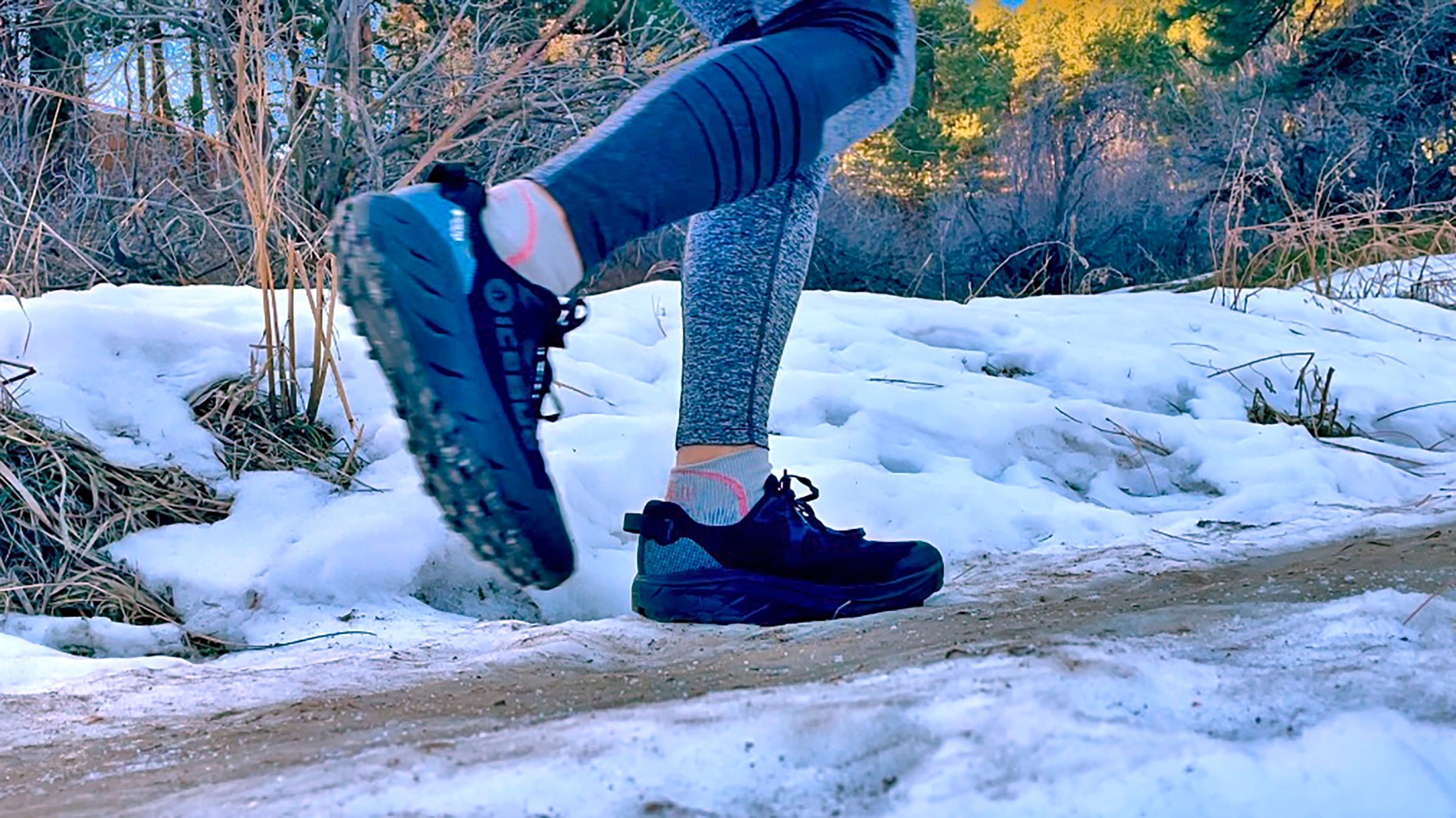
Trail running shoes can work on snow but are not always enough. Snow and ice need special shoe features for safety and comfort. Many runners choose other options to keep their feet warm and stable. Below are good alternatives to consider for snowy trails.
Winter Trail Running Shoes
Winter trail running shoes have thicker soles and better grip. They use waterproof materials to keep feet dry. Extra insulation helps fight the cold during long runs. These shoes often have deeper lugs for better traction on snow and ice. They are a good choice for snowy and icy conditions.
Microspikes And Traction Devices
Microspikes are small metal spikes that attach to shoes. They provide extra grip on ice and hard-packed snow. Traction devices come in many styles for different conditions. They are lightweight and easy to carry. Use them with regular trail shoes for added safety on slippery surfaces.
Hybrid Shoe Choices
Hybrid shoes combine features of trail runners and winter boots. They offer warmth, water resistance, and decent traction. These shoes work well in mixed conditions with snow, mud, and rocks. They provide good support and comfort for varied winter trails. Hybrid shoes are a versatile option for many runners.
Credit: vidscola.com
Credit: vidscola.com
Frequently Asked Questions
Are Trail Running Shoes Suitable For Snowy Conditions?
Trail running shoes offer good traction but may lack insulation. They are suitable for light snow but not deep or icy conditions. For heavy snow, consider specialized winter running shoes with waterproofing and better grip.
Can Trail Running Shoes Prevent Slipping On Snow?
Yes, many trail running shoes have aggressive tread patterns that improve grip on snowy surfaces. However, their effectiveness decreases on ice or packed snow without additional traction devices like spikes or crampons.
Do Trail Running Shoes Keep Feet Warm In Snow?
Trail running shoes typically provide minimal insulation. They are breathable and designed for ventilation, so feet might get cold in snow. For warmth, use thermal socks or opt for insulated winter running shoes.
Should I Waterproof Trail Running Shoes For Snow?
Waterproofing trail running shoes is advisable for snow use. Applying a waterproof spray or choosing models with Gore-Tex helps keep feet dry and comfortable in wet, snowy conditions.
Conclusion
Trail running shoes can work in snow but with some limits. They offer good grip and light weight for moving fast. Yet, they lack full insulation and waterproofing needed for deep snow. For short runs or packed snow, they are fine.
For colder, wetter, or longer runs, boots made for snow suit better. Choose shoes based on snow depth and weather. Always stay safe and comfortable on snowy trails.