
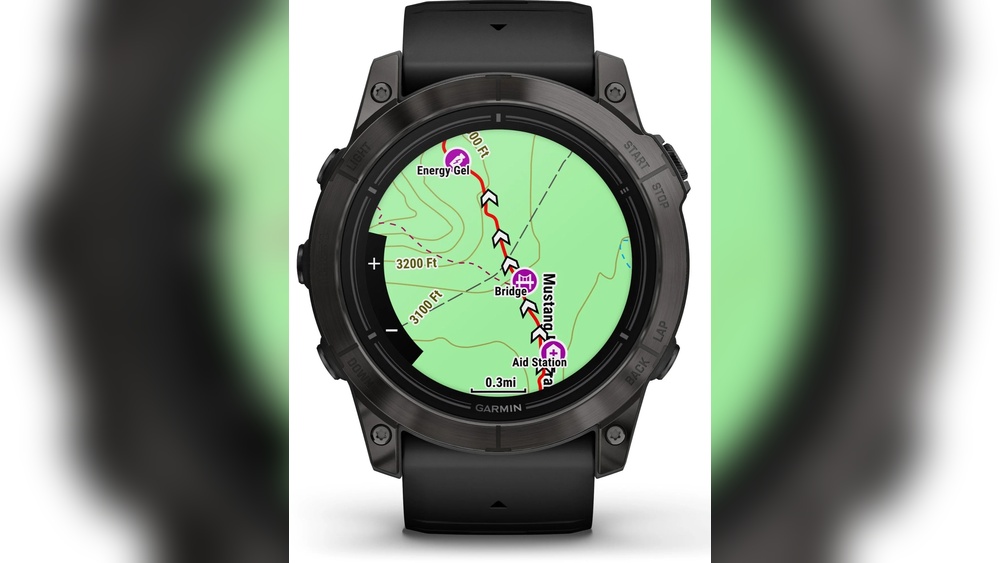
Are you planning your next hiking trip and wondering if a GPS watch is really necessary? You might think a map and compass are enough, but a GPS watch can change the way you explore the trails.
Imagine having real-time directions, tracking your progress, and staying safe even in unfamiliar terrain—all from your wrist. If you want to hike smarter and feel more confident on the path, keep reading. This guide will help you decide if a GPS watch is the right tool for your adventure.
Credit: www.treelinereview.com
Benefits Of A Gps Watch
A GPS watch offers many benefits for hikers. It helps you stay on track and measure your progress. Such a watch can also keep you safe during your trips. Understanding these benefits can help you decide if you need one for your hikes.
Accurate Navigation
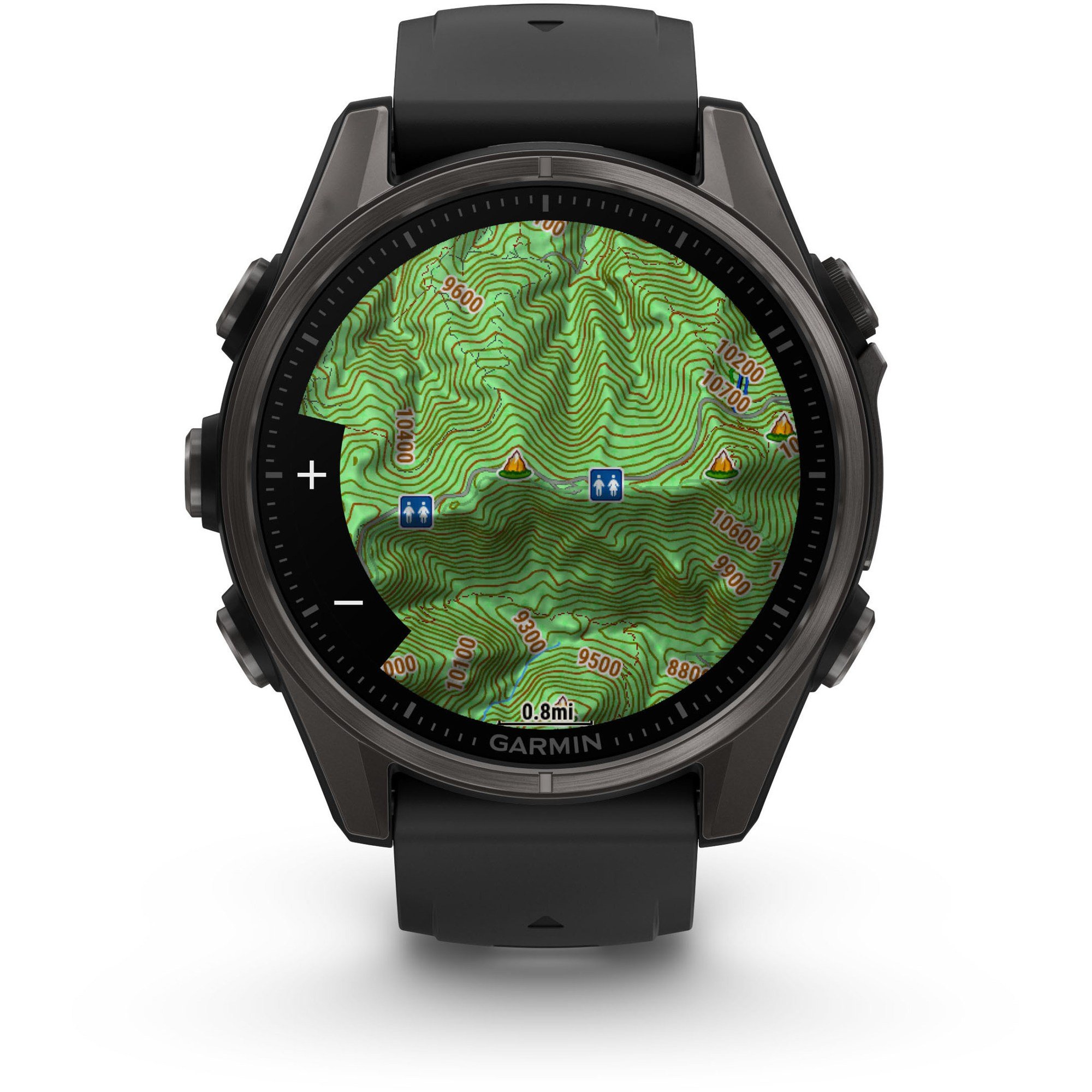
A GPS watch shows your exact location on a map. It helps you find your way on trails without getting lost. You can mark waypoints to return to important spots. The watch works even in remote areas with no cell signal.
Tracking Fitness Metrics
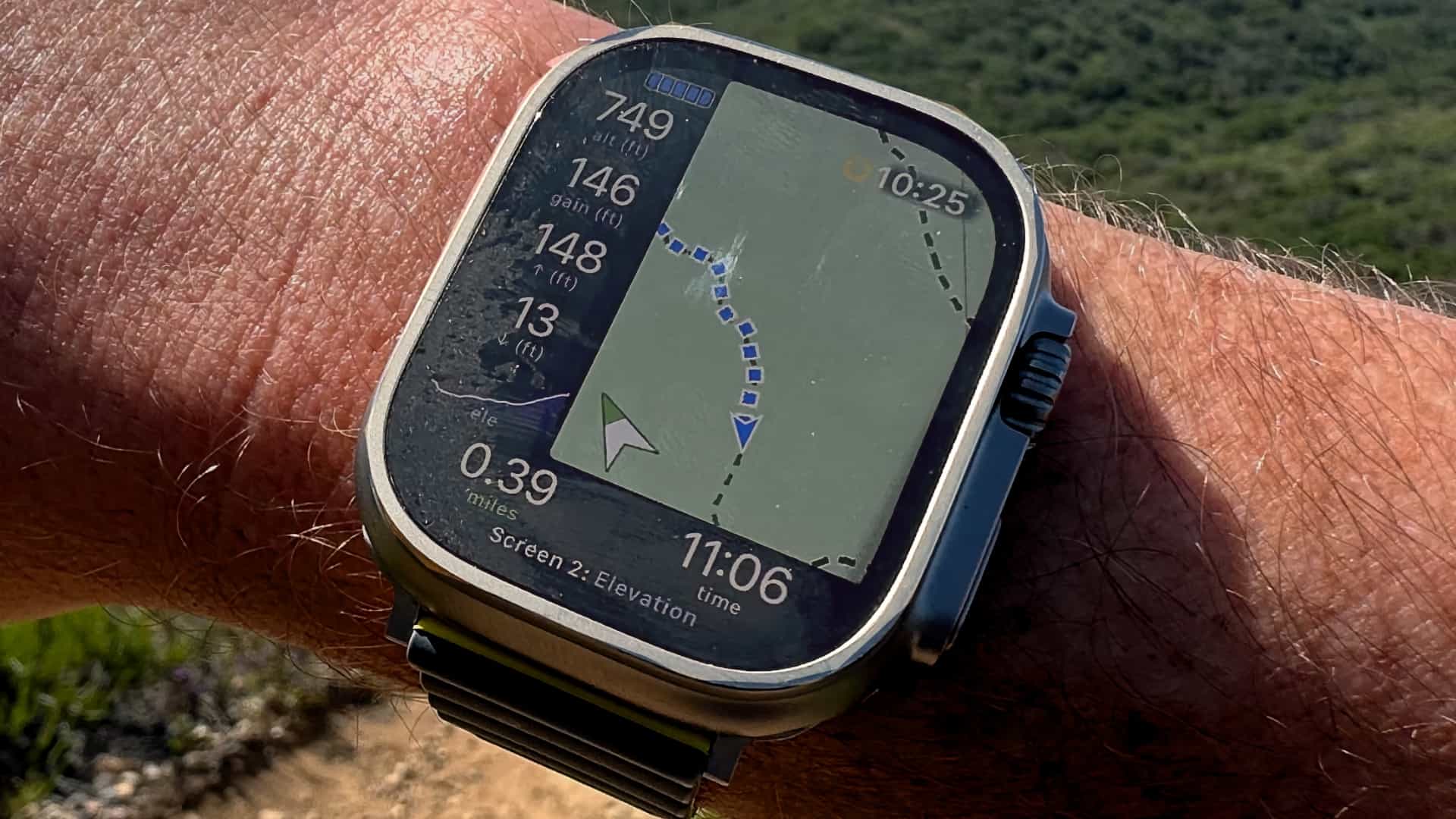
The watch records your steps, distance, and speed. It shows your heart rate to monitor your effort. You can see calories burned and elevation gained. These metrics help you understand your fitness level and improve over time.
Safety Features
GPS watches often include emergency alerts. They can send your location to contacts if you need help. Some models have fall detection and weather updates. These features provide extra security on challenging trails.
Credit: www.fieldmag.com
Limitations Of Gps Watches
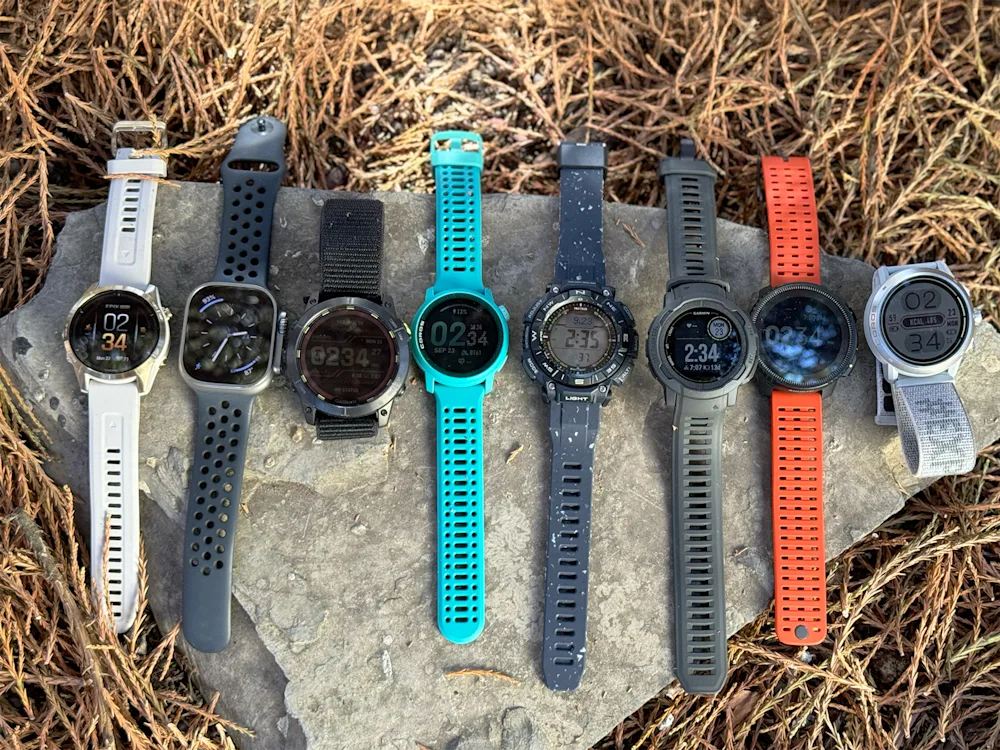
GPS watches offer many benefits for hikers. They help track routes, speed, and distance. Still, these devices have limits. Knowing these limits helps decide if a GPS watch fits your needs. Some issues may affect your hiking experience.
Battery Life Concerns
GPS watches use a lot of power. Long hikes can drain batteries quickly. Many models last only 8 to 20 hours with GPS on. Carrying extra batteries or chargers is not always easy. Running out of battery means losing navigation aid.
Dependence On Technology
GPS watches rely on satellites and signals. Thick forests or deep valleys can block these signals. This causes inaccurate or lost location data. Technology can fail at critical moments. It is important to have backup plans like maps and compasses.
Cost Factors
Good GPS watches can be expensive. Prices often range from $150 to over $500. For casual hikers, cheaper options might lack features. Cost can be a barrier for some buyers. Budgeting carefully is necessary before buying one.
Alternatives To Gps Watches
GPS watches are useful for hiking, but they are not the only option. Many hikers use other tools to find their way. These alternatives can be simple, reliable, and easy to carry. Understanding these choices helps you pick what fits your style and trip.
Traditional Maps And Compass
Maps and compasses are the oldest hiking tools. They do not need batteries or signals. Learning to read a map and use a compass is a valuable skill. They work well in remote areas without GPS coverage. Carry a waterproof map and a quality compass for safety.
Smartphone Apps
Smartphones offer many hiking apps with GPS and offline maps. These apps show trails, elevation, and your location. Download maps before your hike to use them offline. Battery life can be a concern, so bring a power bank. Phones are easy to carry and multi-functional.
Other Wearable Devices
Besides GPS watches, other wearables help with navigation. Fitness trackers with GPS can track your path. Handheld GPS devices provide detailed maps and longer battery life. Some devices connect to satellites for better signals. Choose wearables based on your hiking needs and budget.
Choosing The Right Gear For Your Hike
Choosing the right gear for your hike is important. It helps you stay safe and enjoy the trail. The gear you pick depends on your needs and the hike’s challenge. A GPS watch might be useful, but only if it fits your style and trail.
Think about what kind of hiker you are. This helps decide what gear you need. Also, the trail’s difficulty affects your choices. Your budget and personal taste play a role too. Let’s explore these points to help you choose wisely.
Assessing Your Hiking Style
Are you a casual hiker or an adventurous trekker? Casual hikers may prefer simple gear. A basic map and compass could work well. Adventurous hikers might need advanced tools like a GPS watch. It helps track routes and find locations fast. Knowing your style guides your gear choices clearly.
Considering Trail Difficulty
Easy trails usually need less gear. Tough trails demand more preparation and tools. A GPS watch is helpful on long, unfamiliar, or rugged trails. It gives real-time location and helps avoid getting lost. Check the trail’s length, terrain, and weather before deciding.
Budget And Preferences
GPS watches come in many prices and features. Set a budget before buying. Choose a watch that suits your needs without overspending. Some hikers want simple devices. Others prefer watches with maps and emergency alerts. Pick gear that feels right and fits your budget.
When A Gps Watch Makes Sense
Choosing the right gear for hiking depends on the trail and your needs. A GPS watch can be a helpful tool in many hiking situations. It offers benefits beyond just showing the time. Knowing when to use one can improve safety and enjoyment on the trail.
Long-distance And Remote Hiking
On long hikes, a GPS watch helps track your exact route. It shows your location even in places without cell service. This is useful in remote areas where maps and signs are hard to find. It keeps you on track and reduces the risk of getting lost.
Tracking Progress And Performance
A GPS watch records distance, speed, and elevation. This data helps you understand your hiking pace and effort. Watching your progress can motivate you to reach your goals. It also helps plan future hikes with better timing and energy use.
Emergency Situations
In emergencies, a GPS watch can be a lifesaver. Some models have built-in SOS features to alert rescuers. Knowing your exact location speeds up help arrival. This added security provides peace of mind on challenging trails.
Credit: hikingguy.com
Frequently Asked Questions
What Are The Benefits Of A Gps Watch For Hiking?
A GPS watch provides accurate location tracking and route navigation. It helps hikers avoid getting lost and monitor distance. It also tracks elevation and pace, enhancing safety and performance on trails.
Can A Gps Watch Replace A Smartphone For Hiking?
Yes, a GPS watch can replace a smartphone for navigation. It is more durable, battery-efficient, and designed for outdoor use. Unlike phones, it works well in remote areas with limited signal.
How Does A Gps Watch Improve Hiking Safety?
A GPS watch improves safety by providing real-time location data. It helps hikers stay on track and find their way back. Some models include emergency alert features for added protection.
Do All Gps Watches Work Well For Hiking?
Not all GPS watches are ideal for hiking. Look for models with long battery life, rugged design, and accurate GPS. Features like altimeter and barometer also improve hiking experience.
Conclusion
A GPS watch can help you stay safe while hiking. It shows your location and tracks your path clearly. You do not have to worry about getting lost. It also helps you check your speed and distance. These features make hiking easier and more fun.
Yet, you can hike without one if you know the trails well. Think about your needs and how often you hike. A GPS watch is a useful tool but not a must-have for everyone. Choose what fits your style and comfort best.