
Are you planning your next hike and wondering if you really need a GPS? It’s a question many outdoor lovers ask before hitting the trails.
You want to stay safe, avoid getting lost, and enjoy the adventure without extra stress. But is carrying a GPS device worth it? You’ll discover the key reasons why having a GPS can change the way you hike—and when you might be better off without one.
Keep reading to find out what’s best for you and your next outdoor trip.

Credit: www.advnture.com
Why Gps Matters
GPS devices have become important tools for hikers. They help keep you safe and on track. Many people wonder if they really need a GPS for hiking. Understanding why GPS matters can help you decide.
Navigation Challenges In The Wild
The wild can be confusing. Trails are not always clear. Weather can change quickly and block your view. Trees and rocks can hide landmarks. Without a good tool, you might get lost easily.
Benefits Over Traditional Maps
Maps are useful but have limits. They need skill to read and follow. Maps don’t update or show your exact spot. GPS works in real time and shows your location clearly. No need to guess or estimate.
Tracking Your Location Accurately
GPS pinpoints your exact spot on the trail. It helps you know where you are at all times. This is helpful if you want to return to the same place. It also guides rescuers to find you quickly if needed.
Types Of Gps Devices
GPS devices help hikers find their way in the wild. Different types offer various features and benefits. Choosing the right one depends on your needs and hiking style. Here are common types of GPS devices for hiking.
Handheld Gps Units
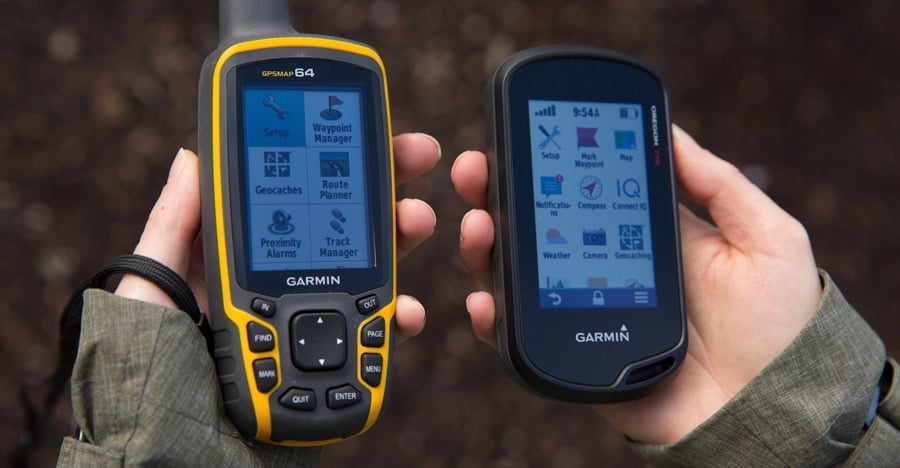
Handheld GPS units are small devices made for outdoor use. They have strong signals and work well in remote places. These units often show detailed maps and trails. Their batteries last long, suitable for long trips. Rugged design protects them from water and drops. They are easy to carry and use.
Smartphone Gps Apps
Smartphones can use GPS apps to track your hike. Many apps offer maps, routes, and emergency features. These apps need internet or offline maps downloaded first. Battery life may be shorter compared to dedicated GPS units. Smartphones are convenient since most people carry them. They are good for short or easy hikes.
Wearable Gps Trackers
Wearable GPS trackers fit on your wrist like a watch. They track your location and activity during hikes. Some models include heart rate and altitude data. These devices are lightweight and do not need hands. Battery life varies but usually lasts for hours. Wearable trackers are great for active hikers.
Key Features To Look For
Choosing the right GPS device for hiking depends on a few key features. These features affect how useful and reliable your GPS will be on the trail. Understanding what to look for helps you pick a device that fits your needs and keeps you safe outdoors.
Battery Life And Power Options
Long battery life is crucial for hiking trips. You want a GPS that lasts through your entire hike without dying. Devices with rechargeable batteries are common. Some GPS units also allow you to use standard AA or AAA batteries. This option is helpful when you cannot recharge on the trail. Check if the GPS has a power-saving mode. This feature can extend battery life by reducing screen brightness or turning off unnecessary functions.
Durability And Weather Resistance
A hiking GPS must withstand rough conditions. Look for devices with strong, shockproof cases. These can handle drops or bumps during hikes. Weather resistance is also important. Choose GPS units rated for water resistance or waterproofing. Rain, snow, and mud should not damage your device. A durable GPS gives you peace of mind in tough outdoor environments.
Map Compatibility And Storage
Maps guide your path and keep you on track. Ensure your GPS supports detailed hiking maps. Some devices come preloaded with maps, while others allow downloads. Check how much storage space the GPS offers for maps. Expandable storage, like microSD card slots, is a plus. This lets you add more maps if needed. Having accurate and accessible maps is vital for safe hiking.
Credit: www.rei.com
When You Might Not Need Gps
Not every hike needs a GPS device. Some hikes are simple and safe without one. It depends on the trail and your group. Knowing when you do not need GPS can save you money and weight. Here are some times when a GPS may not be necessary.
Short And Familiar Trails
Short trails you have walked many times before are easy to follow. You know the turns and landmarks well. The chance of getting lost is very low. No need to carry extra gadgets on these hikes.
Group Hiking With Experienced Navigators
Hiking with friends who know the area reduces risk. Experienced hikers can guide the group safely. They often use maps and natural signs. In these groups, a GPS device is less critical.
Areas With Clear Signage
Some parks have clear signs and marked paths everywhere. Trails are easy to follow without extra help. Maps at the park entrance also assist navigation. In such places, GPS is often unnecessary.
Safety Tips With Gps Use
Using a GPS device on a hike can improve your safety. It helps you find your way and avoid getting lost. Still, GPS devices have limits. Knowing how to use them safely is important. Follow these safety tips to make the most of your GPS on the trail.
Always Carry A Backup
GPS devices can run out of battery or break. Always carry a backup like a paper map and compass. These tools work without power. Knowing how to use them keeps you safe if your GPS stops working.
Regularly Update Maps
GPS maps change over time. Trails may close or new paths open. Update your GPS maps before hiking. This keeps your device accurate and helps you avoid wrong turns or dead ends.
Share Your Route With Others
Tell someone your hiking plan. Share your route and expected return time. This way, others know where to find you if something goes wrong. It adds an extra layer of safety during your hike.

Credit: www.popularmechanics.com
Alternatives To Gps
Not every hiker needs a GPS device. Many alternatives exist for finding your way outdoors. These options do not depend on batteries or signals. They help you stay safe and confident on the trail.
Traditional Compass And Map Skills
A compass and a paper map are classic tools for hiking. Learning to read a map and use a compass is valuable. These skills let you navigate through forests and hills. Practice makes it easier to know your direction. Always carry a detailed map of your hiking area.
Using Landmarks And Natural Cues
Nature offers many signs to guide you. Mountains, rivers, and trails serve as natural landmarks. The position of the sun can show east or west. Watch tree growth or moss patterns to find directions. These clues help you avoid getting lost.
Emergency Signaling Tools
Safety is key during any hike. Carry tools like a whistle or signal mirror. These devices help you call for help if needed. Bright clothing or a flashlight also attract attention. Prepare these items before you start your trip.
Frequently Asked Questions
Do I Really Need A Gps For Hiking?
GPS devices provide accurate location and navigation, especially in unfamiliar or remote areas. They improve safety and help prevent getting lost. However, experienced hikers with good map and compass skills may not always require one. It depends on your hiking environment and comfort level.
Can I Rely On My Smartphone Gps For Hiking?
Smartphone GPS apps work well for many trails but have limitations like battery drain and poor signal in dense forests or mountains. Carrying a backup device or offline maps is advisable. Smartphones are useful but not always fully reliable for serious hiking.
What Are The Advantages Of Using A Gps On Hikes?
GPS devices offer real-time location tracking, route recording, and emergency assistance features. They help with precise navigation and can store multiple trails. Using GPS increases confidence, especially in challenging terrains or bad weather conditions.
How Does A Gps Improve Hiking Safety?
A GPS helps hikers avoid getting lost by showing exact position and direction. It allows users to mark waypoints and find routes back easily. In emergencies, some GPS units send distress signals, enhancing rescue chances.
Conclusion
A GPS can help you find your way on trails. It adds extra safety during hikes. Maps and compass work well too. But a GPS gives quick, clear directions. Always carry backup tools just in case. Practice using your GPS before heading out.
Choose the option that fits your hike and skill. Stay prepared and enjoy the adventure safely.