
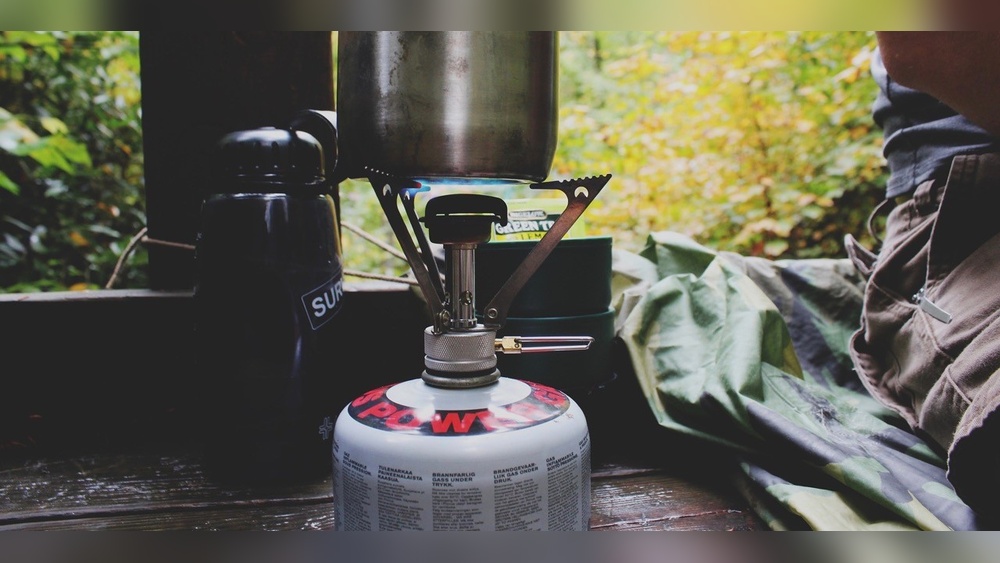
Have you ever wondered if you can use your camping stove indoors? Maybe you’re facing a power outage, or you want to cook a quick meal without firing up your kitchen stove.
It sounds convenient, but is it safe? Before you light that burner inside your home, it’s important to know the risks and precautions. Keep reading to find out what you need to consider to protect yourself and your loved ones while using a camping stove indoors.
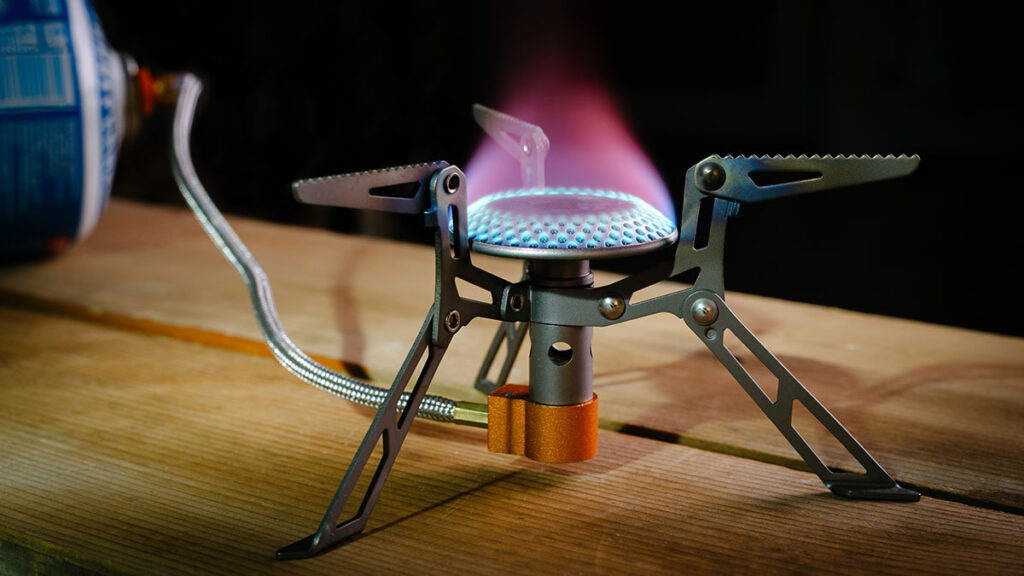
Credit: prepperpress.com
Risks Of Indoor Stove Use
Using camping stoves indoors can be dangerous. These stoves are made for outdoor use. They release harmful gases and need fresh air. Ignoring safety risks can cause serious health problems and accidents.
Carbon Monoxide Poisoning
Camping stoves produce carbon monoxide (CO), a colorless gas. CO is hard to detect but very harmful. Breathing it indoors can cause headaches, dizziness, or worse. High levels can lead to unconsciousness or death. Homes often lack enough airflow to remove CO safely.
Fire Hazards
Using a camping stove inside increases fire risk. Flames or hot surfaces can ignite nearby items. Curtains, furniture, or paper can catch fire quickly. Stoves can tip over, spilling fuel and causing fires. Indoor use requires extreme caution to prevent accidents.
Ventilation Concerns
Proper ventilation is critical when using any stove indoors. Camping stoves need open windows or vents to clear smoke and gases. Without good airflow, toxic fumes build up fast. Most homes do not have enough ventilation for safe stove use. This makes indoor use risky and unsafe.
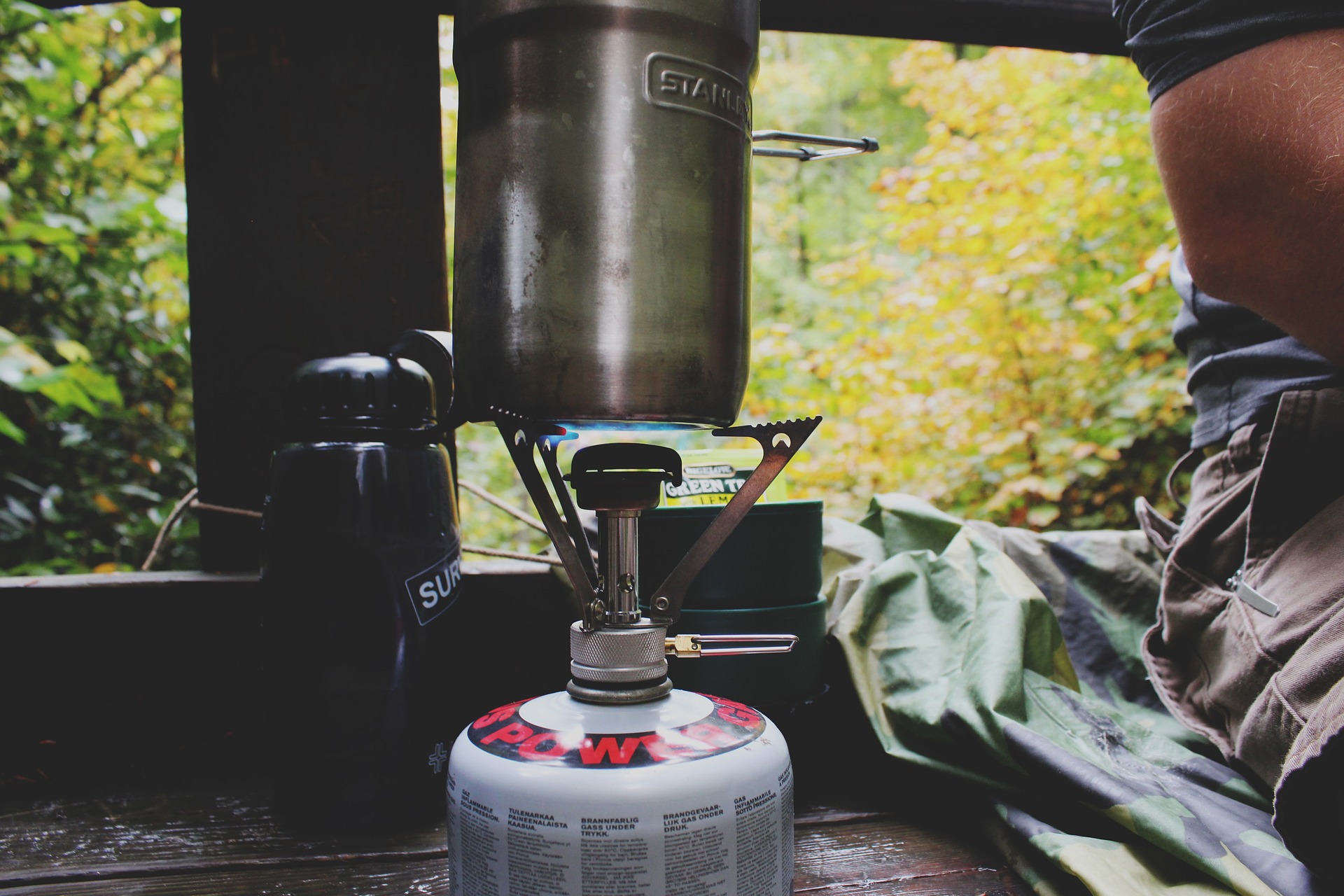
Credit: theexpertcamper.co.uk
Types Of Camping Stoves
Camping stoves come in various types. Each type has unique features and fuel sources. Understanding these types helps you choose the right stove for your needs. It also affects whether you can safely use the stove indoors.
Canister Stoves
Canister stoves use small, pressurized gas containers. These containers hold propane, butane, or a gas mix. They are lightweight and easy to use. These stoves ignite quickly and provide steady heat. They work well for boiling water and cooking simple meals. Canister stoves are popular among backpackers and campers.
Liquid Fuel Stoves
Liquid fuel stoves burn fuels like white gas or kerosene. They have a fuel tank and a pump to pressurize the fuel. These stoves are strong and reliable in cold weather. They produce a lot of heat for cooking larger meals. Liquid fuel stoves need careful handling and regular maintenance.
Solid Fuel Stoves
Solid fuel stoves use tablets or blocks of fuel. These fuels burn cleanly and are easy to carry. These stoves are simple with no moving parts. They are good for short trips or emergencies. Solid fuel stoves create less heat than other types. They are less adjustable but very compact and light.
Safe Indoor Alternatives
Camping stoves are not safe for indoor use because they release harmful gases. Finding safe indoor cooking options is important. Several alternatives provide heat without the risks.
These options work well in small spaces and are easy to use. They also do not require open flames or fuel that produces carbon monoxide. Here are some safe choices for indoor cooking.
Electric Stoves
Electric stoves use electricity to heat coils or plates. They do not produce fumes or open flames. This makes them safe for indoor cooking. Electric stoves heat up quickly and cook food evenly. They come in different sizes to fit your kitchen space. Cleaning is easy because there are no gas burners or flames.
Induction Cooktops
Induction cooktops use magnetic energy to heat pots and pans. This method is very safe because the surface stays cool. Only the cookware gets hot. Induction cooktops save energy and cook food fast. They work best with special magnetic cookware. These cooktops are lightweight and easy to store.
Portable Electric Hot Plates
Portable electric hot plates are small and easy to move. They plug into any standard outlet and heat up quickly. Hot plates are perfect for dorm rooms, offices, or small kitchens. They have simple controls for temperature adjustment. These devices do not produce smoke or harmful gases. Cleaning is simple with a smooth surface.
Precautions For Indoor Use
Using camping stoves indoors can be risky. Taking safety steps is very important. These steps help avoid accidents and health problems. Always prepare your space well before using a camping stove inside.
Proper Ventilation Techniques
Ventilation stops harmful gases from building up. Open windows and doors to let fresh air in. Use fans to move air around the room. Avoid small, closed rooms where air does not flow. Proper airflow keeps the air clean and safe.
Fire Safety Measures
Keep a fire extinguisher nearby at all times. Clear the area around the stove of flammable items. Never leave the stove unattended while it is on. Use a stable surface to place the stove on. Be ready to act quickly if a fire starts.
Carbon Monoxide Detectors
Carbon monoxide is a deadly gas without smell or color. Install a carbon monoxide detector in the room. Test the detector regularly to ensure it works well. This device warns you early about dangerous gas levels. It can save lives by alerting you fast.
Legal And Manufacturer Guidelines
Using camping stoves indoors raises safety and legal questions. Understanding legal and manufacturer guidelines is important. These rules help prevent accidents and keep you safe. Check both before using any stove inside your home or tent.
Manufacturer Warnings
Manufacturers often warn against indoor use of camping stoves. Most stoves release carbon monoxide, a dangerous gas. The stove instructions usually say to use them outdoors only. Ignoring warnings can cause serious health risks or fires. Always read the user manual carefully. Follow all safety instructions from the maker.
Local Regulations
Many places have laws about indoor stove use. Some forbid any open flame inside buildings. Others require special ventilation or permits. Local fire codes may also apply. Check rules from your city or state government. Violating these rules can lead to fines or other penalties. Knowing local laws helps you stay legal and safe.
Emergency Preparedness
Emergency preparedness is key when using camping stoves indoors. These stoves can cause dangers like fire and poisoning. Knowing what to do helps keep you safe. Prepare for any accidents before they happen. This section covers important safety steps.
First Aid For Poisoning
Carbon monoxide from stoves can poison quickly. Watch for headaches, dizziness, or nausea. Move outside to fresh air right away. Call emergency services if symptoms continue. Do not make the person vomit unless told to. Stay calm and give clear information to helpers.
Fire Extinguisher Use
Keep a fire extinguisher near the stove at all times. Know how to use it before an emergency. Pull the pin, aim at the fire base, squeeze the handle, and sweep side to side. Never use water on grease or gas fires. Practice safety and stay alert to avoid fires.
Evacuation Plans
Have a clear exit plan in case of fire or poisoning. Make sure all family members know the route. Keep exits free from obstacles. Choose a safe meeting spot outside the home. Practice evacuation drills regularly to build confidence and speed.
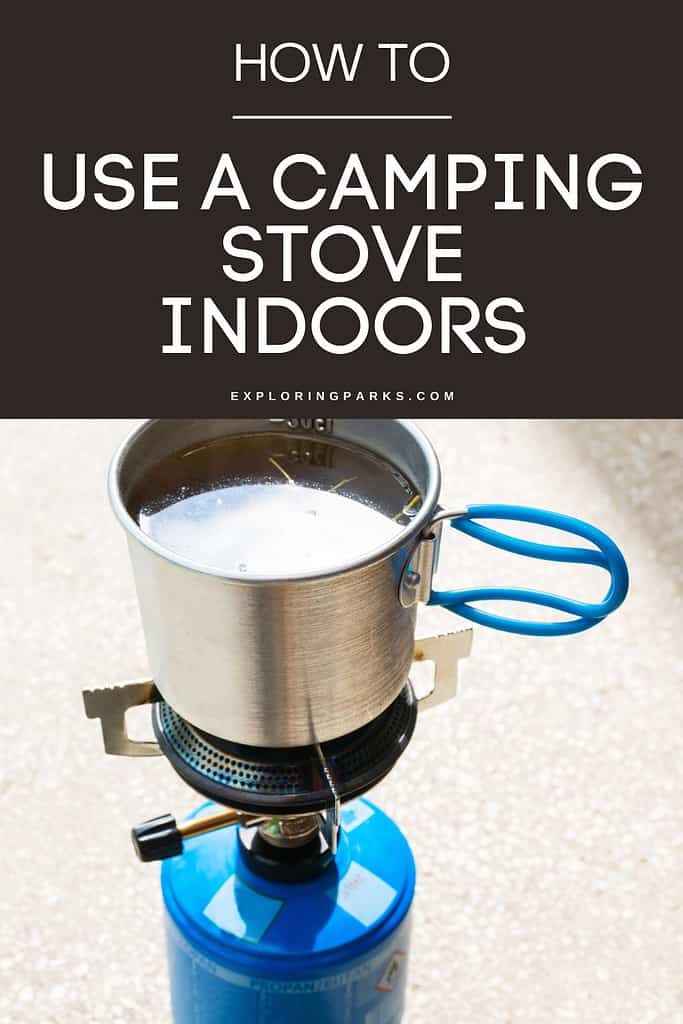
Credit: exploringparks.com
Frequently Asked Questions
Can Camping Stoves Be Safely Used Indoors?
Camping stoves are generally unsafe indoors due to carbon monoxide risks. Proper ventilation is crucial to prevent poisoning and fire hazards. It’s best to use them outdoors or in well-ventilated spaces only.
What Are The Risks Of Using Camping Stoves Indoors?
Using camping stoves indoors risks carbon monoxide poisoning, fire, and burns. Lack of ventilation can cause dangerous gas buildup, leading to serious health issues or accidents.
How To Ventilate When Using Camping Stoves Indoors?
To ventilate, open windows and doors for fresh air flow. Use fans to circulate air and prevent gas buildup. However, ventilation alone may not eliminate all risks, so caution is essential.
Are Electric Camping Stoves Safer For Indoor Use?
Yes, electric camping stoves are safer indoors as they don’t produce carbon monoxide. They require electricity but eliminate gas-related risks, making them a better choice for indoor cooking.
Conclusion
Camping stoves can be dangerous indoors. They release carbon monoxide, which is harmful. Always use them in well-ventilated areas or outside. Safety should be your top priority. Choose safer cooking options for indoor use. Remember, protecting yourself and others matters most.
Stay informed and cautious when cooking indoors. Your health depends on safe practices.