
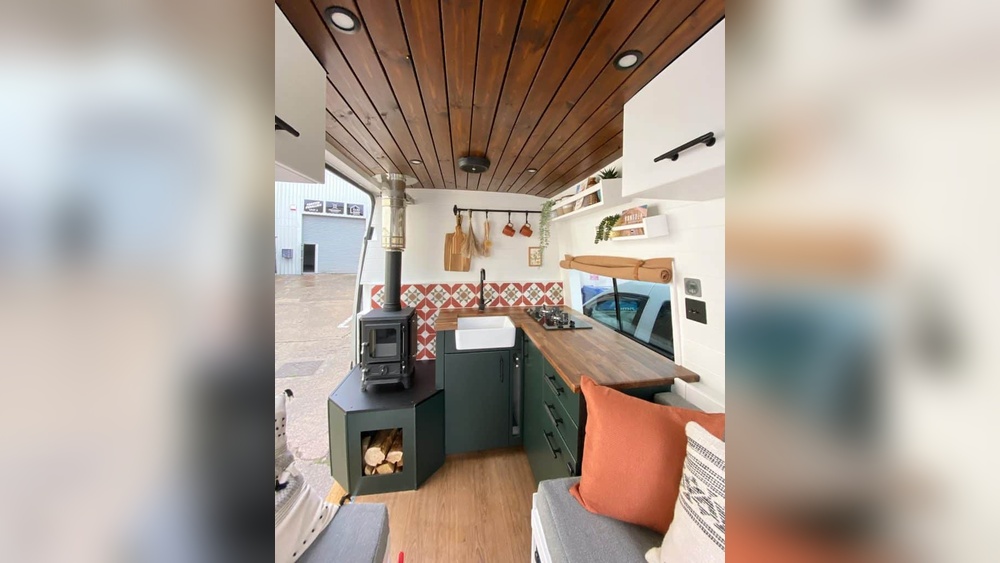
Thinking about adding a wood stove to your camper? You’re not alone.
Many campers want that cozy warmth and the charm of a crackling fire on chilly nights. But is it really safe and practical to install a wood stove in such a small space? You might wonder about the risks, the space it takes, or how to handle smoke and ventilation.
Keep reading, because we’ll break down everything you need to know to decide if a wood stove is the right choice for your camper—and how to do it right if you go for it. Your comfort and safety come first, so let’s dive in!
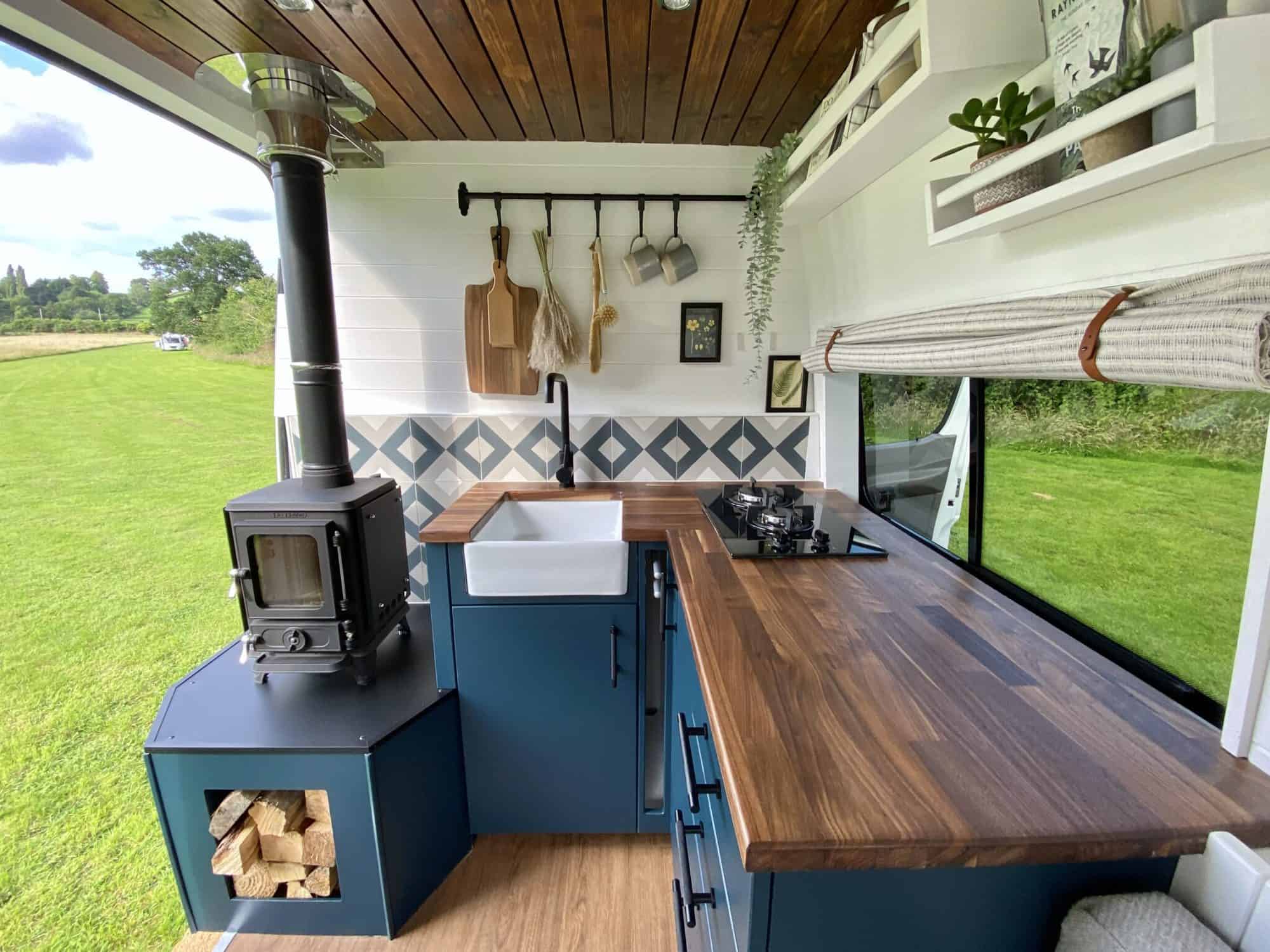
Credit: salamanderstoves.com
Benefits Of A Wood Stove In A Camper
Installing a wood stove in a camper brings many benefits. It offers more than just warmth. A wood stove can improve your camping experience in several ways. Its unique features make it a smart choice for many travelers. Below are key benefits of having a wood stove in your camper.
Efficient Heating Solutions
Wood stoves heat campers quickly and evenly. They use wood, a natural fuel source, which burns hot and long. This helps keep the camper warm during cold nights. Unlike electric heaters, wood stoves do not rely on power. This makes them very efficient in remote areas. They also use less fuel than some other heating options.
Off-grid Advantages
Wood stoves work without electricity or gas. This makes them perfect for off-grid camping. You can heat your camper anywhere with just some wood. No need for batteries or fuel tanks. This freedom allows you to camp in places others cannot. It also reduces your dependence on external energy sources.
Ambiance And Comfort
A wood stove creates a cozy atmosphere inside your camper. The soft glow and warmth make the space inviting. It adds comfort on chilly evenings and rainy days. The sound of crackling wood brings a peaceful feeling. This ambiance makes your camper feel like a home away from home.
Choosing The Right Wood Stove
Choosing the right wood stove for a camper is important for comfort and safety. A good stove heats well without using too much space or fuel. It must fit inside the camper and work with the camper’s ventilation system. Picking the right stove means thinking about size, ventilation, and safety rules.
Size And Capacity
Pick a stove that matches your camper size. Too big, and it will waste fuel and make the camper too hot. Too small, and it won’t keep you warm enough. Check the stove’s heat output, usually measured in BTUs. A stove with 5,000 to 15,000 BTUs fits most campers well. Also, consider how much wood the stove can hold. It should burn long enough without needing constant refills.
Ventilation Requirements
Good ventilation is key for safe wood stove use. The stove must connect to a vent pipe that leads outside. This pipe removes smoke and gases from the camper. Check that the stove’s vent pipe fits your camper’s design. Avoid stoves that produce too much smoke or need special vents. A clean-burning stove helps keep the air fresh and safe inside.
Safety Certifications
Look for stoves with safety certifications. These show the stove passed tests for safe indoor use. Common marks include EPA approval or CSA certification. Certified stoves burn cleaner and reduce fire risks. Avoid uncertified stoves; they can cause smoke problems or accidents. Safety-certified stoves protect you and your camper during cold nights.
Installation Basics
Installing a wood stove in a camper needs careful planning. Safety is the top priority. The stove must fit the space and work well with the camper’s design. Proper setup helps avoid fire risks and ensures good heat.
Proper Location Selection
Choose a flat, stable spot inside the camper. The stove should not block doors or walkways. Place it away from beds and seating areas for safety. The location must allow easy access for adding wood and cleaning.
Clearance From Flammable Materials
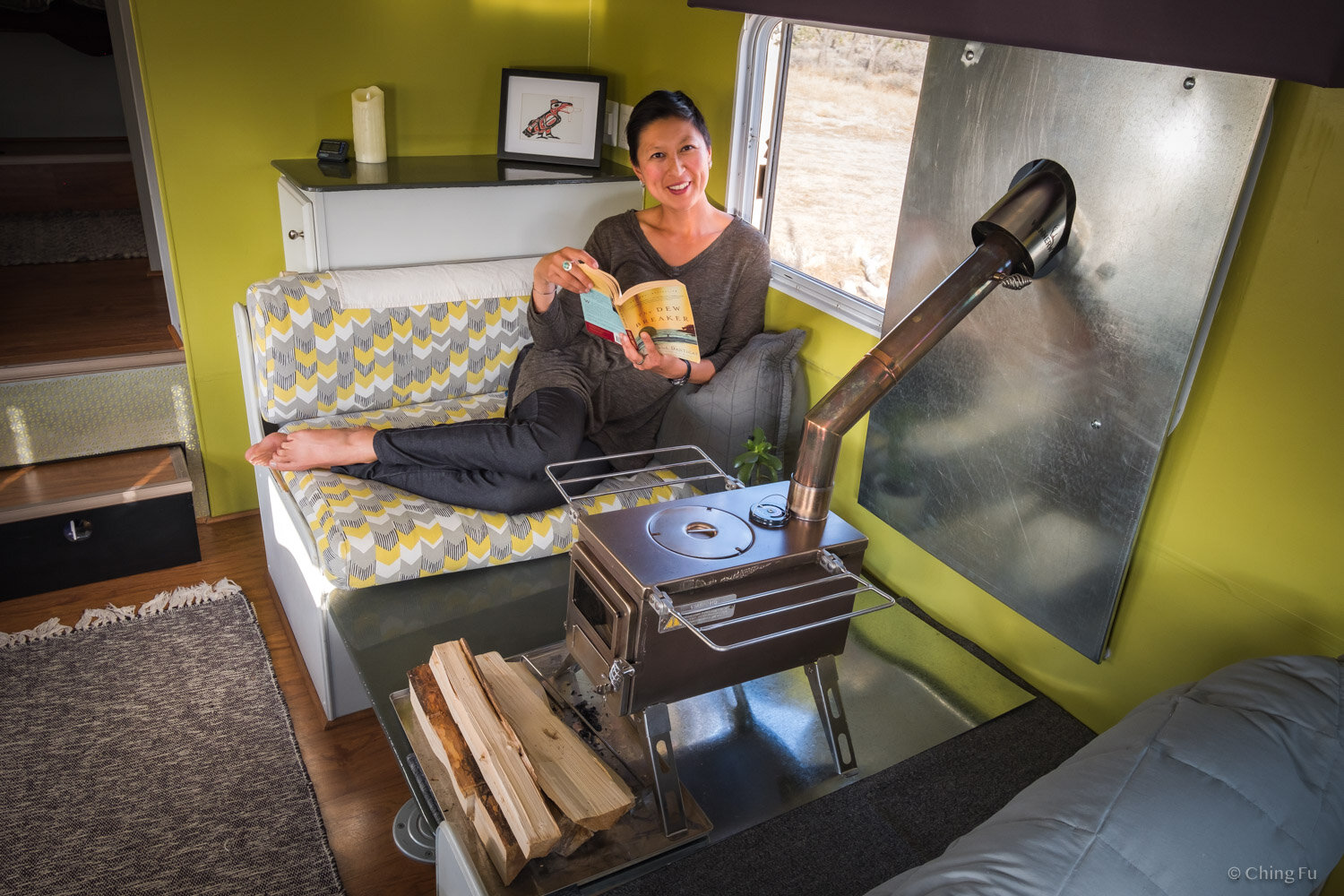
Keep the stove far from curtains, furniture, and walls. A minimum of 36 inches of clearance is safe. Use heat shields if space is tight. Avoid placing anything flammable directly on or near the stove.
Chimney And Vent Setup
The chimney must exit through the roof or side wall. Use high-quality, insulated chimney pipes to prevent heat damage. Make sure the vent has a proper cap to stop rain and debris. Regularly check and clean the chimney to prevent blockages and fire hazards.
Credit: biharstatebarcouncil.com
Essential Safety Precautions
Installing a wood stove in a camper needs careful safety steps. Fire and gas risks are serious. Taking the right precautions protects you and your camper. Safety is not just about equipment but also about habits. Let’s explore the key safety measures to keep your camper safe.
Smoke And Carbon Monoxide Detectors
Smoke and carbon monoxide detectors are must-haves. These devices alert you to dangerous smoke or gas early. Place detectors near the stove and sleeping areas. Test them monthly to ensure they work well. Replace batteries regularly to avoid failure. Early warning can save lives and prevent accidents.
Fire Extinguishers And Emergency Plans
Keep a fire extinguisher near the wood stove. Choose one rated for wood and electrical fires. Know how to use it before any emergency. Create a clear escape plan for all camper occupants. Practice this plan often so everyone remembers. Quick action can stop fires from spreading.
Regular Maintenance And Inspections
Check the wood stove and chimney often. Clean ashes and soot to prevent blockages. Inspect seals and pipes for cracks or leaks. Have a professional inspect the system yearly. Regular care reduces fire risk and ensures good stove function. Stay proactive to keep your camper safe.
Operating Your Wood Stove Safely
Operating a wood stove in a camper needs care and attention. Safety must be the top priority. Proper use helps avoid accidents and keeps the camper warm. Follow these tips to operate your wood stove safely.
Fuel Selection And Storage
Choose dry, seasoned wood for the best fuel. Wet wood creates more smoke and creosote. Store wood outside the camper in a dry place. Keep it off the ground to avoid moisture. Never store fuel inside the camper to prevent fire risks.
Safe Ignition And Monitoring
Use small kindling to start the fire. Avoid using flammable liquids for ignition. Light the fire carefully and slowly. Watch the fire closely at all times. Never leave the stove burning unattended. Keep a fire extinguisher nearby for emergencies.
Managing Airflow And Heat Output
Control airflow to keep the fire burning well. Too much air causes fast burning and heat loss. Too little air makes smoke and creosote build up. Adjust the stove vents to manage heat output. Use a stove thermometer to check temperature. Keep the camper ventilated to avoid carbon monoxide build-up.

Credit: www.tinywoodstove.com
Common Mistakes To Avoid
Installing a wood stove in a camper is tricky. Many people make avoidable mistakes. These errors can cause safety risks and reduce stove efficiency. Knowing what to avoid helps keep your camper warm and safe.
Overloading The Stove
Putting too much wood in the stove can be dangerous. It causes too much heat and smoke. Overloading may damage the stove and the camper’s interior. Use only the recommended amount of wood. This keeps the fire steady and safe.
Ignoring Vent Blockages
Blocked vents stop smoke from leaving the camper. This can cause carbon monoxide to build up inside. Check vents often to keep them clear. Clean out any debris or soot that blocks airflow.
Using Improper Materials
Only burn dry, untreated wood in your stove. Burning trash, plastic, or wet wood creates harmful smoke. It also clogs the stove and chimney. Use the right wood to ensure clean, safe heat.
Legal And Insurance Considerations
Installing a wood stove in a camper has many benefits. It offers warmth and a cozy atmosphere. Still, legal and insurance rules must be checked first. These rules protect you and others from fire risks and accidents. Understanding these rules helps avoid fines or denied insurance claims.
Local Regulations
Local laws often control wood stove installations. Some areas do not allow wood stoves in campers. Others require specific safety measures. These rules vary by city or state. Contact your local building department for exact rules. Following these rules keeps you safe and legal.
Insurance Requirements
Insurance companies have rules about wood stoves. Not all policies cover damages from wood stoves. Some require special coverage or inspections. Inform your insurance provider before installing a stove. This step avoids problems if you make a claim later.
Permits And Inspections
Many places need permits before installing a wood stove. A permit shows you meet safety standards. Inspections may be required to check the stove setup. Passing inspection means your installation is safe. Always get permits and pass inspections to avoid penalties.
Frequently Asked Questions
Can You Safely Install A Wood Stove In A Camper?
Yes, you can safely install a wood stove in a camper. Proper ventilation, heat shielding, and fireproof materials are essential. Always follow manufacturer guidelines and local regulations to prevent fire hazards and ensure safe operation.
What Are The Best Wood Stoves For Campers?
The best wood stoves for campers are compact, lightweight, and efficient. Look for models with good heat output, easy installation, and durable construction. Popular options include catalytic and non-catalytic stoves designed specifically for small spaces.
How Do You Ventilate A Wood Stove In A Camper?
Ventilate a wood stove in a camper by installing a proper chimney or stovepipe. Ensure the vent extends above the roofline to prevent smoke buildup. Use heat-resistant seals and check for leaks to maintain airflow and safety.
Is A Wood Stove Better Than Propane Heating In Campers?
A wood stove provides consistent, cost-effective heat and a cozy atmosphere. Propane is cleaner and easier to control but can be more expensive. The best choice depends on your camping style, fuel availability, and safety preferences.
Conclusion
A wood stove can add warmth to your camper during cold nights. You must plan carefully for safety and space. Proper ventilation and fireproof materials are essential. Choose a stove made for small areas. Regular cleaning keeps the stove working well.
With the right setup, a wood stove brings comfort and coziness on the road. Always follow rules and guidelines to stay safe. Enjoy the warmth and charm a wood stove offers in your camper.