
Are you tired of waking up with itchy mosquito bites? You might be wondering, does a mosquito net really work to keep those pesky insects away?
If you’ve ever struggled to get a peaceful night’s sleep because of buzzing and biting, this question is important. Understanding how mosquito nets protect you can change the way you rest and keep you safe from mosquito-borne illnesses. Keep reading to discover how these simple nets can make a big difference for your comfort and health.

Credit: www.terminix.com
How Mosquito Nets Block Insects
Mosquito nets create a physical barrier between people and insects. They prevent mosquitoes and other bugs from reaching the skin. This reduces bites and lowers the risk of diseases. Understanding how these nets block insects helps to see their effectiveness.
Mesh Size And Material
The mesh size is the key factor in stopping insects. Tiny holes block mosquitoes but allow air to pass. Most nets use polyester or nylon, which are strong and lightweight. These materials resist tearing and last long. A fine mesh keeps even small insects out.
Net Design Variations
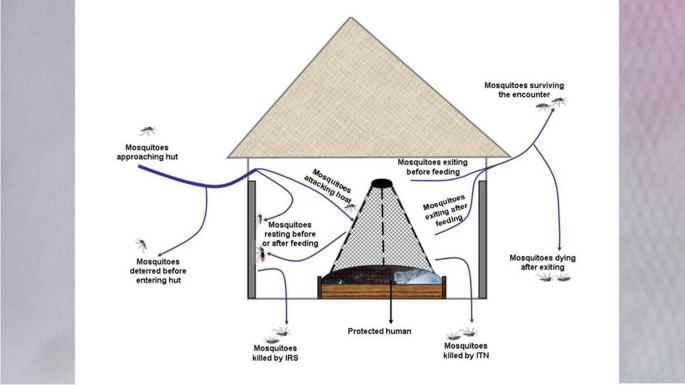
Mosquito nets come in many shapes and designs. Some hang from the ceiling, covering beds fully. Others are designed as pop-up tents or canopies. The design ensures no gaps where insects can enter. Nets with treated fabric offer extra protection by repelling bugs.
Credit: link.springer.com
Effectiveness Against Different Mosquito Species
Mosquito nets provide a physical barrier between people and mosquitoes. Their effectiveness varies by mosquito species. Some species bite indoors while others prefer outdoors. Understanding these differences helps explain how well nets work.
Different mosquito species carry different diseases. The net’s mesh size blocks most mosquitoes but not all. Knowing which mosquitoes pose the biggest threat helps in choosing the right net.
Common Disease-carrying Mosquitoes
The Aedes mosquito spreads dengue and Zika virus. It bites mostly during the day. Mosquito nets help less with Aedes since people are often outside then. Anopheles mosquitoes carry malaria. They bite at night, making nets very effective. Culex mosquitoes spread West Nile virus and bite at night. Nets can block Culex mosquitoes well if used properly.
Resistance And Behavior Patterns
Some mosquitoes have adapted to avoid nets. They may bite outdoors or at different times. Certain species can pass through larger mesh sizes. Nets with smaller holes increase protection. Mosquitoes also develop resistance to insecticides on treated nets. Using untreated nets with tight mesh still provides a barrier. Behavior changes in mosquitoes impact how well nets protect people.
Role Of Insecticide-treated Nets
Mosquito nets provide a physical barrier to keep mosquitoes away during sleep. Insecticide-treated nets (ITNs) add an extra layer of defense. These nets are coated with chemicals that repel or kill mosquitoes. This helps reduce the risk of mosquito bites and diseases they carry. ITNs play a vital role in controlling malaria and other mosquito-borne illnesses.
How Insecticides Enhance Protection
The insecticide on the net kills mosquitoes on contact. It also repels mosquitoes from landing on the net. This dual action lowers the chance of mosquito bites. Mosquitoes that touch the net often die before they can bite. It reduces the number of mosquitoes around sleeping areas. This makes ITNs more effective than regular nets.
Safety And Longevity Of Treatments
The insecticides used are safe for humans in small amounts. They do not harm the skin or cause serious health issues. ITNs are designed to keep working for several months. The insecticide stays active even after multiple washes. Proper care extends the life of the net’s protection. Using ITNs regularly helps maintain a safer sleeping space.
Proper Usage For Maximum Safety
Using a mosquito net correctly is key to staying safe from bites. A net works best when it covers you fully and stays intact. Proper use helps stop mosquitoes from getting inside. This keeps you safe from diseases they carry.
Follow simple steps to get the most protection from your mosquito net. Small details make a big difference in keeping bugs out all night.
Installation Tips
Hang the net so it does not touch your skin. Mosquitoes can bite through the net if it touches you. Make sure the net fully covers your bed or sleeping area. Check there are no holes or tears in the net before use. Secure the edges under the mattress or tuck them in tightly. Use hooks or strings to keep the net in place. Avoid gaps where mosquitoes can enter. Use a frame or poles to keep the net raised and firm.
Maintenance And Cleaning
Clean the net regularly to keep it effective. Dust and dirt can weaken the net and make holes. Wash the net gently using mild soap and cold water. Do not use bleach or harsh chemicals. Dry the net in the shade to avoid damage from sunlight. Inspect the net often for any holes or tears. Repair small holes quickly with needle and thread. Replace the net if it becomes too worn or damaged. Proper care helps the net last longer and protect better.
Limitations And Challenges
Mosquito nets help protect against mosquito bites and diseases. Still, they have some limits and problems. Knowing these can help you use nets better and stay safe.
Physical Damage And Wear
Nets can get holes or tears over time. Sharp objects, pets, or rough handling cause damage. Small holes let mosquitoes inside. This reduces net protection a lot. Regular checking for tears is important. Fixing holes quickly keeps nets working well.
Environmental Factors
Heat and sunlight can weaken net material. Nets left in the sun for long lose strength. Rain and humidity can also cause damage. Dirty or wet nets attract mold and bugs. These reduce the net’s life and safety. Storing nets properly helps avoid these issues.

Credit: www.unicef.org
Alternatives And Complementary Methods
Using mosquito nets is a good way to avoid mosquito bites. Still, other methods can help keep mosquitoes away. These alternatives and complementary methods work well with nets. They add extra protection and lower the chance of getting bitten.
Repellents And Sprays
Repellents and sprays can keep mosquitoes off your skin. Many types use ingredients like DEET or picaridin. Apply them to exposed skin before going outside. Some sprays work on clothes and gear, too. These products help reduce mosquito bites in areas without nets.
Natural repellents with citronella or eucalyptus oil also work. They may not last as long but can be safer for kids. Always follow instructions on the label to stay safe.
Environmental Control Measures
Controlling the environment reduces mosquito numbers around your home. Mosquitoes lay eggs in standing water. Remove or empty containers holding water. Clean gutters and fix leaks to stop water buildup.
Use larvicide in ponds or water that cannot be drained. Plant mosquito-repellent plants like marigolds or lavender near doors and windows. These steps lower mosquito breeding and help reduce bites.
Frequently Asked Questions
How Effective Are Mosquito Nets In Preventing Bites?
Mosquito nets provide a physical barrier that blocks mosquito bites. They reduce the risk of mosquito-borne diseases significantly. Properly used nets, especially insecticide-treated ones, increase protection against malaria and dengue. Their effectiveness depends on net quality and usage consistency.
Do All Mosquito Nets Protect Against All Mosquito Species?
Not all mosquito nets protect equally against every mosquito species. Some nets are treated with insecticides targeting specific types. However, most nets block common mosquitoes effectively. Choosing the right net depends on local mosquito species and disease risks.
Can Mosquito Nets Alone Prevent Mosquito-borne Diseases?
Mosquito nets greatly reduce disease risk but aren’t foolproof alone. Combining nets with repellents, eliminating standing water, and wearing protective clothing enhances prevention. Integrated mosquito control methods offer the best protection against diseases like malaria and Zika.
Are Insecticide-treated Nets Better Than Untreated Ones?
Yes, insecticide-treated nets kill or repel mosquitoes on contact. They provide higher protection than untreated nets. Treated nets reduce mosquito lifespan and disease transmission. Regular retreatment maintains their effectiveness over time.
Conclusion
Mosquito nets provide a simple way to protect against bites. They keep insects away while you sleep. Using a net reduces the risk of mosquito-borne diseases. Nets are easy to install and use daily. Choosing the right net helps ensure better safety.
Clean and repair your net regularly for best results. Overall, mosquito nets work well to keep bugs out. They offer an affordable and effective solution. Consider using one for a peaceful, bite-free night.