
When you’re out camping, having a reliable toilet can make all the difference. But how do portable camp toilets actually work?
If you’ve ever wondered about the magic behind these handy devices, you’re in the right place. Understanding how they function will help you choose the best one for your trips and make your camping experience much more comfortable. Keep reading to discover the simple secrets that keep portable camp toilets clean, odor-free, and easy to use—so you can focus on enjoying nature without worries.
Types Of Portable Camp Toilets
Portable camp toilets come in different types. Each type offers unique features for convenience and hygiene. Choosing the right one depends on your camping style and needs. Here is an overview of the main types of portable camp toilets.
Chemical Toilets
Chemical toilets use special liquids to break down waste. They have a sealed tank to hold waste safely. These toilets are common for camping and RV trips. They are easy to use and clean. The chemicals help control odor and bacteria. Emptying the tank requires proper disposal methods.
Composting Toilets
Composting toilets turn waste into compost using natural processes. They do not need water or chemicals. These toilets use bacteria and air to decompose waste. They are eco-friendly and good for long-term camping. Composting toilets often need regular maintenance. They are popular for off-grid camping.
Bucket Toilets
Bucket toilets are simple and low-cost options. They use a bucket with a lid to collect waste. Often, a liner or sawdust is added to control odor. These toilets are easy to carry and set up. They require manual emptying and cleaning. Bucket toilets suit short trips and minimalists.
Foldable And Collapsible Toilets
Foldable toilets are compact and lightweight. They fold flat for easy transport and storage. These toilets usually have a seat over a waste bag or container. They are quick to set up and use. Foldable toilets are great for backpackers and campers with limited space.
Credit: robertssales.com
Basic Components Of Portable Toilets
Portable camp toilets are simple but smart tools. They let you stay clean and comfortable outdoors. Knowing their parts helps you use and maintain them better. Each part has a special job to keep the toilet working well.
Waste Holding Tank
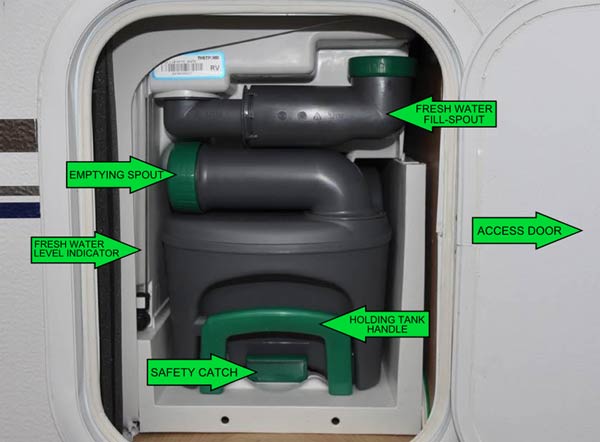
The waste holding tank stores all the waste safely. It keeps bad smells inside. This tank is easy to remove for emptying. Some tanks have chemicals to break down waste and reduce odor.
Seat And Lid
The seat provides a comfortable place to sit. The lid covers the seat to keep the toilet clean. It also stops smells from escaping. Some lids lock to prevent spills during transport.
Flush Mechanism
The flush mechanism cleans the bowl after use. It uses water or chemicals to rinse away waste. Some toilets have a pump or lever to flush. This part helps keep the toilet fresh and hygienic.
Ventilation System
The ventilation system lets air flow through the toilet. It reduces bad smells inside the unit. Vents often have filters to keep bugs out. Proper ventilation makes using the toilet more pleasant.
How Chemical Toilets Operate
Chemical toilets are popular for camping and outdoor use. They work differently from regular toilets. These toilets use special chemicals to handle waste safely. Understanding how chemical toilets operate helps users maintain hygiene and comfort during trips.
Role Of Chemicals
Chemicals in portable toilets break down waste and kill germs. They contain disinfectants and enzymes. These chemicals stop bacteria from growing. They also make the waste easier to manage. Without chemicals, waste would smell bad and be hard to clean.
Waste Breakdown Process
When you use a chemical toilet, waste drops into a holding tank. Chemicals start breaking down solids and liquids. Enzymes help digest the waste into simpler forms. This process reduces the volume of waste. It also makes emptying the tank easier and cleaner.
Odor Control
Chemicals control bad smells by neutralizing gases. They mask odors with a fresh scent. Some chemicals create a barrier on the liquid surface. This layer stops smells from escaping the tank. Good odor control makes camping more pleasant.
Functioning Of Composting Toilets
Composting toilets work by breaking down human waste into compost. They use natural processes to turn waste into safe, odor-free material. This method does not need water or a sewer system. Understanding how these toilets function helps appreciate their eco-friendly design.
Aerobic Decomposition
Aerobic decomposition means breaking down waste with air. Oxygen helps bacteria and microorganisms digest the waste. This process reduces smell and turns waste into compost. Good airflow is essential to keep decomposition active.
Moisture And Temperature Control
Moisture levels affect how well the waste breaks down. Too much water slows the process and causes odor. Temperature also plays a key role. Warm conditions speed up decomposition, while cold slows it down. Proper control keeps the system efficient.
Maintenance Needs
Regular maintenance keeps composting toilets working well. Removing finished compost is necessary to make space. Adding dry material helps balance moisture and odor. Checking ventilation ensures good airflow. Simple care keeps the toilet clean and safe.
Setting Up Your Portable Toilet
Setting up your portable camp toilet correctly makes your outdoor experience easier and cleaner. A well-placed and properly assembled toilet helps keep the area sanitary. It also offers comfort during your trip. Follow simple steps to set it up quickly and safely.
Choosing The Right Location
Select a flat, stable spot away from your tent and water sources. This prevents odors and keeps water clean. Choose a shaded area if possible to reduce heat. Avoid low spots where water can collect. Make sure there is enough space around the toilet for easy access.
Assembly Tips
Start by unpacking all parts and checking them. Follow the instructions carefully for correct assembly. Connect the seat and the waste container securely. Tighten any locks or clips to avoid leaks. Keep the toilet steady by placing it on firm ground. Test the door or lid to ensure it opens smoothly.
Adding Chemicals Or Compost Materials
Add the recommended chemicals or compost material to the waste tank. Chemicals help break down waste and reduce smells. Compost materials like sawdust absorb moisture and control odor naturally. Use the amount suggested by the manufacturer. This keeps the toilet clean and makes emptying easier.
Cleaning And Maintenance Tips
Keeping a portable camp toilet clean is very important. Good cleaning and maintenance help the toilet work well. It also keeps the area fresh and safe. Regular care stops bad smells and damage. Here are some simple tips to keep your camp toilet in top shape.
Emptying Waste Tanks
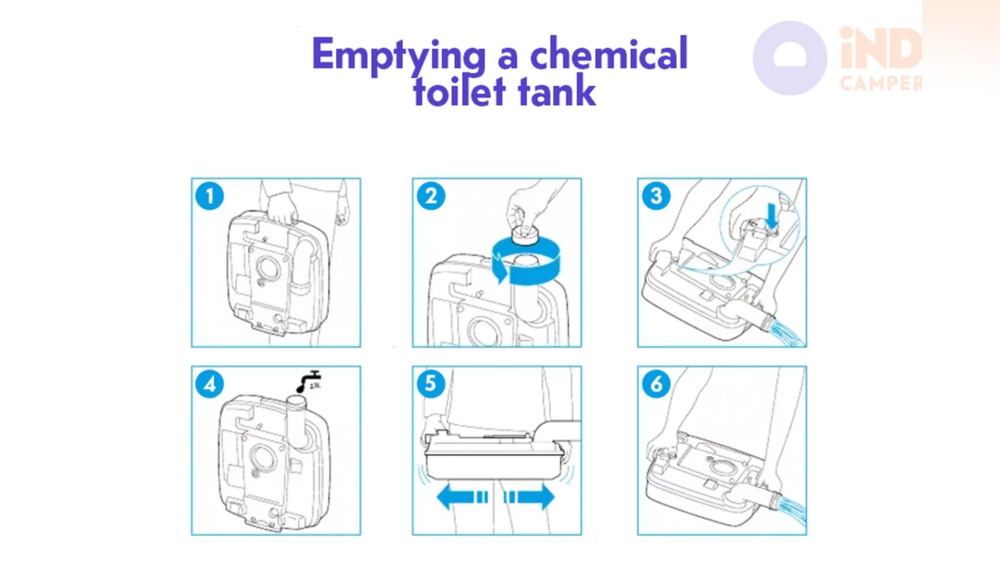
Empty the waste tank often. Do not wait until it is full. Find a proper dumping site. Pour the waste slowly to avoid spills. Rinse the tank with water after emptying. This helps remove leftover waste. Always wash your hands after handling the tank.
Sanitizing Surfaces
Clean all surfaces with a mild disinfectant. Wipe the seat, lid, and handles well. Use a soft cloth or sponge. Avoid harsh chemicals that can damage the toilet. Clean surfaces after each use or at least daily. This keeps germs away and the toilet fresh.
Preventing Odors
Use deodorizing chemicals made for portable toilets. Add them to the waste tank as instructed. Keep the toilet lid closed when not in use. Ventilate the area around the toilet if possible. Regular cleaning and emptying also reduce bad smells. These steps keep your camping area comfortable.
Environmental Considerations
Portable camp toilets offer convenience, but they also impact the environment. Understanding these effects helps campers reduce harm. Proper use and disposal play a key role in protecting nature. Let’s explore how to manage waste and choose eco-friendly options.
Waste Disposal Guidelines
Dispose of waste carefully to avoid pollution. Use designated dump stations or follow local rules. Never dump waste in lakes, rivers, or forests. Seal waste bags tightly to prevent leaks and odors. Clean the toilet regularly to maintain hygiene. Responsible disposal keeps camping areas clean and safe.
Eco-friendly Toilet Options
Choose toilets designed to minimize environmental harm. Composting toilets break down waste naturally. Some models use biodegradable bags for easy disposal. Waterless toilets reduce water use and pollution. These options help keep soil and water clean. They suit campers who want a low-impact experience.
Reducing Environmental Impact
Limit the use of chemicals in your portable toilet. Select biodegradable, non-toxic cleaning products. Avoid overfilling the waste container to prevent spills. Store waste securely until proper disposal is possible. Respect local wildlife and habitats by camping responsibly. Small actions protect the environment for future campers.

Credit: blog.indiecampers.com
Troubleshooting Common Issues
Troubleshooting common issues with portable camp toilets helps keep them clean and usable. Small problems can stop your toilet from working well. Fixing these quickly improves your camping comfort.
Leaks And Spills
Leaks often happen from loose seals or cracks in the tank. Check all seals before use. Tighten any loose parts carefully. Cracks need patching or part replacement. Spills usually come from overfilling the waste tank. Empty the tank regularly to avoid spills. Use the toilet on flat ground to prevent tipping.
Odor Problems
Odors come from waste buildup or poor ventilation. Add the recommended amount of deodorizer to the waste tank. Always close the lid after use. Clean the toilet regularly with mild soap and water. Vent pipes must be clear to allow air flow. Replace filters if your model has them.
Flush Malfunctions
Flush problems arise from low water or blocked pumps. Fill the freshwater tank before flushing. Clear any blockages in the flush nozzle or hose. Press the flush button or lever firmly. If the flush pump fails, check for leaks or damage. Replace faulty parts to restore proper flushing.
Tips For Comfortable Use
Using a portable camp toilet can be simple and comfortable. A few tips help you enjoy your outdoor trips more. Comfort depends on privacy, cleanliness, and easy handling. Follow these tips to make your experience better.
Privacy Solutions
Privacy is key for comfort. Set up a small tent or screen around the toilet. Choose a quiet, shaded spot for your setup. Use a lock or a simple sign to show the toilet is in use. These steps help you feel secure and relaxed.
Hygiene Practices
Cleanliness is important for health and comfort. Always carry hand sanitizer or wet wipes. Use toilet chemicals to reduce odor and break down waste. Empty the waste tank regularly to avoid spills. Clean the seat before and after each use. These habits keep your toilet fresh and safe.
Storage And Transport
Store the toilet in a dry, cool place. Keep all parts clean and dry before packing. Use a sturdy bag or case for transport. Carry extra bags or liners for easy waste disposal. Proper storage helps the toilet last longer and stay ready for your next trip.

Credit: www.youtube.com
Frequently Asked Questions
How Do Portable Camp Toilets Dispose Of Waste?
Portable camp toilets use a sealed container to collect waste. Chemicals or biodegradable bags break down the waste safely. This prevents odors and contamination, making them hygienic and eco-friendly for outdoor use.
What Types Of Portable Camp Toilets Are Available?
There are flushable, bucket-style, and chemical portable toilets. Flushable models use water for cleaning. Bucket-style rely on bags, while chemical toilets use special fluids to control odors and break down waste.
How Do You Clean A Portable Camp Toilet?
Empty the waste container regularly and use disinfectant wipes or sprays. Rinse removable parts with water and mild soap. Proper cleaning prevents odors and maintains hygiene during camping trips.
Can Portable Camp Toilets Be Used In All Weather?
Yes, most portable camp toilets function well in various weather conditions. They are designed to be durable and resist freezing or overheating, ensuring reliable use in camping or outdoor activities.
Conclusion
Portable camp toilets offer a simple way to stay clean outdoors. They use basic parts like a seat, waste tank, and chemicals. These toilets keep smells down and make waste easy to manage. Many models are light and easy to carry.
Perfect for camping, hiking, or road trips. Understanding how they work helps you choose the right one. Clean, safe, and convenient – that’s the goal. A small tool that makes outdoor trips much better. Ready to enjoy nature with comfort?
Portable camp toilets make it possible.