

Are you tired of struggling to light a fire, especially when you need it most? Making your own homemade fire starters can change that.
Imagine having a reliable, easy-to-use spark every time you want to build a cozy campfire or warm up your fireplace. You’ll discover simple, budget-friendly ways to create fire starters using things you probably already have at home. Keep reading, and you’ll never face a stubborn fire again.

Credit: inspiredbycharm.com
Choosing Materials
Choosing the right materials is key to making effective homemade fire starters. The materials must catch fire easily and burn long enough to light bigger logs. Some materials come from nature, while others are common household items. Both types can work well for fire starters. Pick materials that are dry and flammable. Avoid anything that is wet or damp.
Natural Options
Natural materials catch fire quickly and burn steadily. Pine needles are great because they are dry and resin-rich. Small twigs and dry leaves also work well. Wood shavings from softwood burn fast and make good fire starters. Cotton balls soaked in beeswax or natural oils burn longer and help start fires easier. Avoid using green wood or fresh leaves because they hold moisture.
Household Items
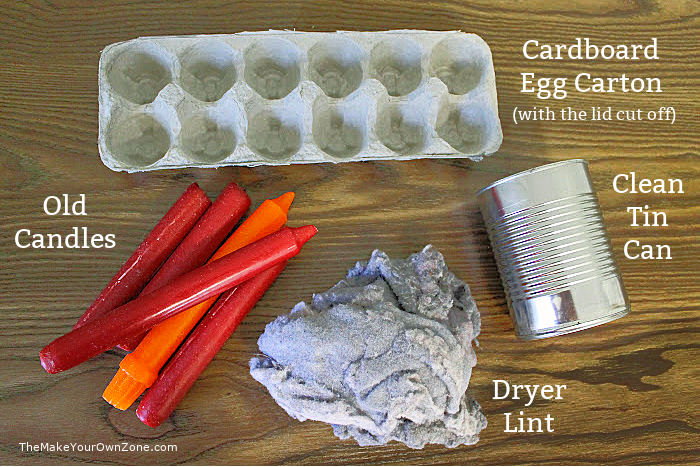
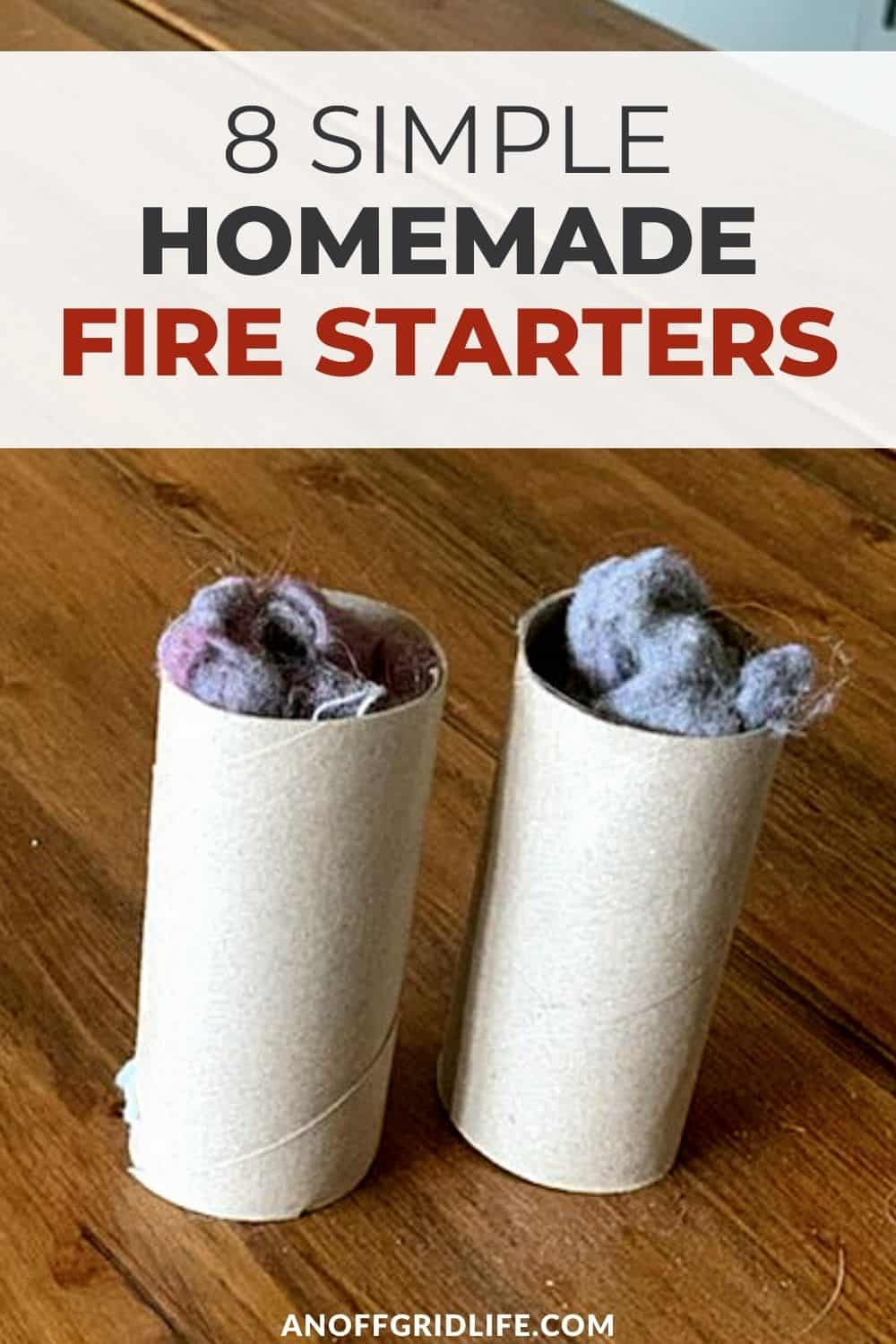
Household items can be useful for fire starters too. Dryer lint is highly flammable and easy to gather. Paper egg cartons filled with wax or sawdust ignite quickly and burn evenly. Candle stubs melted and poured over paper or cardboard create solid starters. Cotton pads or swabs soaked in rubbing alcohol can catch fire fast. Use items that burn clean and do not produce harmful fumes.
Preparation Steps
Making homemade fire starters is easy and fun. Preparation is the first important step. It sets the stage for success. Proper preparation ensures your fire starters will light quickly and burn well. Follow these simple steps to get ready.
Gathering Supplies
Start by collecting all materials you need. Common supplies include cotton balls, wax, egg cartons, and dryer lint. Gather a double boiler or an old pot for melting wax. Have a spoon or stick ready to stir. Prepare a workspace with newspaper or a tray to catch drips. Keep everything close to avoid interruptions.
Safety Precautions
Safety is key during preparation. Work in a well-ventilated area to avoid fumes. Use oven mitts or heat-resistant gloves when handling hot wax. Never leave melting wax unattended. Keep a fire extinguisher or water nearby, just in case. Avoid using plastic containers that can melt or catch fire. Follow these safety tips to protect yourself and your home.
Simple Fire Starter Recipes
Making your own fire starters is easy and saves money. These simple recipes use common items found at home. Each type lights quickly and burns long enough to start a fire. Perfect for camping trips or cozy fires at home.
Wax And Cotton Balls
Dip cotton balls in melted wax. Use candle wax or paraffin for best results. Make sure the cotton is fully covered. Let them dry on wax paper. These catch fire fast and burn slowly. Store in a dry container for future use.
Egg Carton Starters
Cut an egg carton into small sections. Fill each cup with sawdust or dryer lint. Pour melted wax over the filling. Let it cool and harden. Tear off one section to light your fire. Easy to carry and safe to use.
Pinecone And Wax Mix
Collect dry pinecones from outside. Melt wax in a small pot. Dip the pinecones in wax until coated. Let them dry on wax paper. These fire starters burn well and smell nice. Great for outdoor fires and barbecues.
Credit: www.themakeyourownzone.com
Storage Tips
Proper storage is key for homemade fire starters to work well every time. Storing them correctly keeps them safe and ready to use. This section shares simple tips to keep your fire starters in great shape.
Keeping Fire Starters Dry
Moisture stops fire starters from lighting easily. Store them in a dry place away from water. Use airtight containers or sealed plastic bags. This keeps humidity out and preserves their effectiveness. Avoid storing near sinks or outdoor areas where rain can reach them.
Organizing For Easy Access
Keep fire starters in one spot for quick use. Use small boxes or jars to separate different types. Label each container to know what is inside. Place them near your camping gear or fireplace. This saves time and prevents losing them when needed fast.
Using Fire Starters
Using homemade fire starters makes lighting a fire easier and faster. These small aids burn quickly and help catch bigger wood on fire. They work well for campfires, fireplaces, and grills. Knowing how to use them correctly improves safety and efficiency.
Best Practices For Lighting
Place the fire starter under dry twigs or small sticks. Light the fire starter from the edge where it is exposed. Let it burn fully to ignite the surrounding wood. Avoid using wet or green wood, as it slows the fire. Always keep a safe distance while lighting. Use matches or a lighter for easy ignition.
Troubleshooting Common Issues
Fire starter won’t light? Check if it is dry and intact. Wet fire starters lose their ability to catch fire. If the fire goes out quickly, add more small sticks around it. Ensure enough airflow by not packing wood too tightly. Smoke but no flame means wood is too damp. Replace or dry out fire starters before use.
Credit: www.anoffgridlife.com
Eco-friendly Alternatives
Making fire starters at home can be eco-friendly. It helps reduce waste and saves money. Using natural and recyclable materials supports a greener planet. These alternatives burn clean and are safe for the environment.
Recyclable Materials
Use old paper, cardboard, or egg cartons as fire starter bases. Fill them with leftover wax or sawdust. These materials catch fire easily and burn well. They keep trash out of landfills and reuse what you already have.
Paper towels and dryer lint also make good starters. Combine them with melted wax for better results. These items are easy to find and recycle. They burn fast and help start fires quickly.
Biodegradable Options
Natural materials like pine cones, wood shavings, and dry leaves work great. They break down naturally in soil after use. Beeswax and soy wax are good choices for coating fire starters. They are safe and come from renewable sources.
Using biodegradable materials reduces pollution and helps the earth stay clean. These starters burn without leaving harmful chemicals behind. Perfect for camping or backyard fire pits.
Frequently Asked Questions
What Materials Are Best For Homemade Fire Starters?
Natural materials like dryer lint, sawdust, and wax work best. They ignite quickly and burn steadily. Combining these creates effective fire starters suitable for camping or fireplaces.
How Do You Safely Make Fire Starters At Home?
Melt wax carefully using a double boiler. Mix in dry materials like lint or wood shavings. Pour into molds and let cool away from flames. Always supervise to prevent accidents.
Can Homemade Fire Starters Replace Commercial Ones?
Yes, homemade starters are cost-effective and eco-friendly. They perform well if made properly. Plus, you control the ingredients, avoiding harmful chemicals found in some commercial options.
How Long Do Homemade Fire Starters Last?
Properly stored, they last several months to years. Keep them dry and in airtight containers. Moisture can reduce their effectiveness and make lighting difficult.
Conclusion
Making homemade fire starters saves money and reduces waste. You only need simple materials found at home. These starters light fires quickly and easily. Perfect for camping, fireplaces, or emergency kits. Try different methods to see what works best. Keep safety in mind while crafting and using them.
Enjoy warm fires with less hassle and stress. Start making your own fire starters today. Simple, effective, and eco-friendly.