
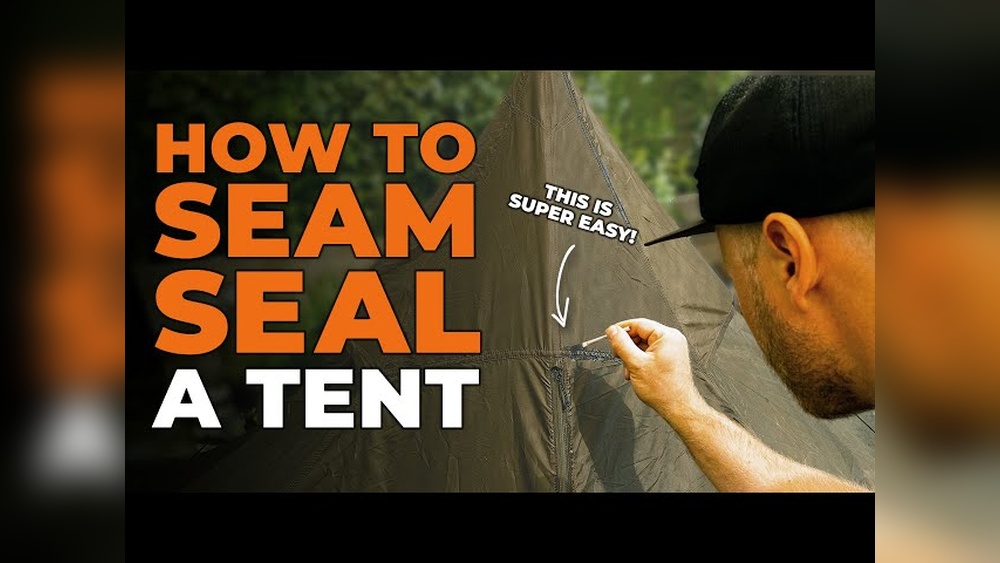
If you want your canvas tent to keep you dry and comfortable, sealing the seams is a must. Leaky seams can turn a cozy shelter into a soggy mess, ruining your outdoor experience.
But don’t worry—sealing your tent seams is easier than you think. In this guide, you’ll learn simple, effective steps to protect your tent from rain and moisture. By the end, you’ll know exactly how to keep your canvas tent weatherproof and ready for any adventure.
Let’s get started!

Credit: www.gearaid.com
Materials Needed
Sealing canvas tent seams needs the right materials. Using good supplies makes the job easier and lasts longer. This section lists the main materials you need to seal your tent seams well.
Types Of Seam Sealants
Seam sealants come in different types. Silicone-based sealants are flexible and waterproof. Acrylic sealants dry clear and work well for light use. Polyurethane sealants are strong and durable. Choose a sealant made for canvas tents. Check if it is weatherproof and flexible after drying.
Essential Tools
Tools help apply the sealant evenly. A small paintbrush works best for spreading sealant on seams. Some people use a roller for larger areas. Use a clean cloth to wipe excess sealant. Gloves protect your hands from sticky sealants. Have a small container to hold the sealant during application.
Preparation Supplies
Prepare the tent before sealing. A soft brush removes dirt and dust from seams. Mild soap and water clean stubborn stains. Rinse and let the canvas dry completely. Masking tape helps keep sealant off unwanted areas. Use a flashlight to check hard-to-see spots on seams.
Preparing The Tent
Preparing your canvas tent before sealing the seams is a crucial step. It ensures better adhesion and longer-lasting protection. Proper preparation prevents water leaks and fabric damage. Follow these simple steps to get your tent ready.
Cleaning The Seams
Start by removing dirt, dust, and debris from the seams. Use a soft brush or cloth to gently clean the area. Avoid harsh chemicals that can harm the canvas fabric. Mild soap and water work well for cleaning. Clean seams allow sealant to stick properly and last longer.
Drying The Canvas
Let the tent dry completely before applying any sealant. Moisture trapped under the sealant causes poor adhesion. Air drying is best; avoid direct sunlight to prevent fabric damage. Make sure seams and fabric feel dry to the touch. Dry canvas ensures the sealant bonds tightly.
Inspecting For Damage
Check seams for holes, tears, or weak spots carefully. Small damage can cause leaks even after sealing. Repair any damage using patch kits or needle and thread. Strong seams provide a better base for the sealant. Fixing issues first helps keep your tent safe and dry.
Seam Sealing Techniques
Seam sealing is a key step to protect your canvas tent from water leaks. It stops water from entering through the stitched areas. Using proper techniques makes the seal last longer and work better.
Seam sealing requires care and patience. The right method ensures strong, even coverage. This section explains simple steps for effective seam sealing.
Applying Seam Sealant
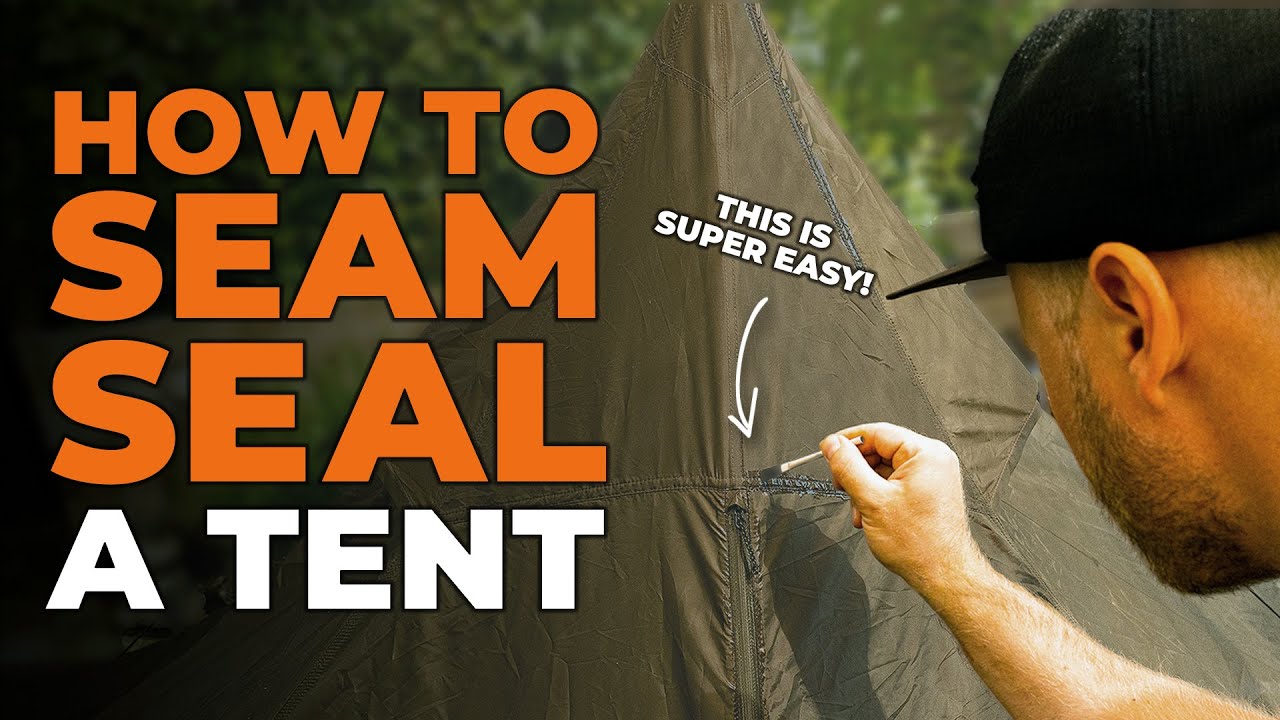
Start with clean and dry seams. Shake the seam sealant bottle well. Apply a thin layer directly along the seam line. Avoid applying too much to prevent clumps. Let the first layer dry before adding more.
Using A Brush Or Applicator
Use a small brush or a special applicator to spread sealant. This tool helps control the amount and placement. Brush gently to push the sealant into the stitches. Replace the brush if it gets stiff or dirty.
Ensuring Even Coverage
Check the seam for gaps or thin spots after applying sealant. Add another thin layer if needed to cover these areas. Smooth the sealant evenly to avoid lumps. Proper coverage keeps water out and extends tent life.
Credit: www.youtube.com
Drying And Curing
Drying and curing are key steps after sealing canvas tent seams. Proper drying helps the sealant stick well. It also stops leaks and keeps your tent strong. Without enough drying time, the seal can fail. This section covers how to dry and cure seams correctly. Follow these tips for lasting results.
Recommended Drying Time
Let the sealant dry at least 24 hours. Drying time depends on weather. Warm and dry days speed up drying. Cold or humid conditions slow it down. Avoid packing or using the tent too soon. Check the seal for stickiness before use. Full curing may take up to 72 hours. Patience here protects your tent’s seams.
Avoiding Common Mistakes
Do not dry seams in direct sunlight. Too much sun can weaken the seal. Avoid touching or bending seams while drying. This can break the sealant. Do not rush with heat sources like heaters. Heat can cause bubbles or cracks. Keep the tent flat and stable during drying. Follow the sealant instructions carefully for best results.
Maintaining Waterproof Seams
Maintaining waterproof seams is key to keeping your canvas tent dry. Seams can wear out or lose their seal over time. Regular care helps protect the tent from leaks and damage. Simple steps can extend the life of your tent’s seams.
Regular Inspections
Check your tent seams often for cracks or gaps. Look closely after heavy rain or strong wind. Small tears can let water inside. Early detection prevents bigger problems. Use a flashlight to see inside the seams clearly.
Reapplying Sealant
Sealant wears off with time and use. Apply a fresh coat on worn or cracked seams. Clean the area before applying sealant. Use a brush or applicator for even coverage. Let the sealant dry fully before packing the tent.
Storage Tips
Store your tent in a dry, cool place. Avoid folding the tent on the same spots each time. This reduces stress on the seams. Make sure the tent is dry before storing. Damp fabric can cause mold and weaken seams.

Credit: blog.whiteduckoutdoors.com
Troubleshooting Common Issues
Troubleshooting common issues in sealing canvas tent seams helps keep your tent dry and durable. Problems like leaks, peeling sealant, and mold can affect your camping comfort. Fixing these issues early extends your tent’s life and saves money. Here are practical tips to handle these common problems effectively.
Dealing With Leaks
Leaks often appear at seams after rain or heavy use. First, clean the area with mild soap and water. Let it dry completely before applying sealant. Use a high-quality seam sealer designed for canvas tents. Apply sealant evenly along the seam and press firmly. Allow it to dry fully before testing for leaks. Repeat the process if needed to ensure no water seeps through.
Fixing Peeling Sealant
Peeling sealant weakens seam protection and can cause leaks. Remove old, loose sealant with a plastic scraper carefully. Clean the area with rubbing alcohol to remove residue. Let it dry well. Apply a fresh layer of seam sealer in thin, even coats. Avoid thick layers to prevent peeling again. Let each coat dry before adding another. Proper application keeps the sealant secure.
Handling Mold And Mildew
Mold and mildew grow in damp, poorly ventilated tents. Mix equal parts water and white vinegar in a spray bottle. Spray affected areas and let sit for 15 minutes. Gently scrub with a soft brush to remove spores. Rinse with clean water and dry the tent fully outside. Ensure good airflow inside the tent to prevent mold return. Regular cleaning and drying keep your tent fresh.
Frequently Asked Questions
How Do I Prepare Canvas Seams Before Sealing?
Clean the seams thoroughly to remove dirt and oils. Allow the canvas to dry completely. Use a seam roller to flatten the seams for better sealant adhesion.
What Type Of Sealant Works Best For Canvas Tents?
Use a silicone or urethane-based seam sealer. These sealants provide flexible, waterproof protection. Avoid rubber-based sealants as they can crack or peel over time.
How Long Does Canvas Seam Sealing Take To Dry?
Drying time typically ranges from 12 to 24 hours. It depends on temperature and humidity. Ensure the tent is fully dry before packing or use.
Can I Seal Canvas Seams Without Removing Stitches?
Yes, most seam sealers work without removing stitches. Apply the sealant over the seams and stitching. This maintains structural integrity while waterproofing the tent.
Conclusion
Sealing canvas tent seams keeps your shelter dry and strong. Use the right sealant and tools for best results. Clean seams before applying sealant to ensure good stick. Work carefully to avoid gaps and leaks. Check seams regularly and reseal as needed.
A well-sealed tent lasts longer and protects better. Simple steps make camping more comfortable and safe. Keep your canvas tent ready for any weather. Sealing seams is a small task with big benefits.