

Are you wondering if you really need to seam seal your new tent? You might think that a brand-new tent is ready to keep you dry right out of the bag.
But what if a simple step could make your camping experience more comfortable and protect your gear from unexpected rain? You’ll discover why seam sealing matters, how it can save you from soggy nights, and whether it’s worth your time before your next adventure.
Keep reading to make sure your tent is truly ready for anything nature throws your way.

Credit: www.reddit.com
Why Seam Sealing Matters
Seam sealing is a key step in caring for your new tent. It helps keep your shelter strong and dry. Many tents have seams that let water in if not sealed well. Sealing these seams adds an extra layer of protection. It also helps your tent last longer through many trips.
Understanding why seam sealing matters will help you protect your investment. It improves your camping experience by preventing leaks and damage. Taking time to seal the seams makes a big difference in tent performance.
Preventing Water Leaks
Seams are weak points where water can enter your tent. Rain or dew can soak through these tiny holes. Seam sealing fills these gaps and stops water from leaking inside. A sealed tent keeps you dry and comfortable during wet weather. It also prevents mold and mildew caused by dampness inside the tent.
Enhancing Tent Durability
Seam sealing strengthens the joins in your tent fabric. It reduces wear and tear caused by stretching and movement. A sealed seam is less likely to fray or split over time. This extra durability means your tent stays intact longer. It saves money by avoiding early repairs or replacements.
Protecting Tent Fabrics
Seam sealant protects the fabric edges from moisture and dirt. It prevents threads from unraveling and weakening the material. The sealant acts like a shield against harsh weather conditions. Keeping the fabric in good shape helps maintain the tent’s shape and function. Well-protected fabrics increase the tent’s lifespan significantly.
When To Seal New Tent Seams
Knowing when to seal new tent seams helps keep your tent dry and strong. Sealing protects the tent from leaks during rain and bad weather. Not all tents need sealing right away. Some come ready from the factory, while others need a little extra care before use.
Factory-sealed Vs Non-sealed Tents
Factory-sealed tents have waterproof seams already treated at the factory. These tents usually do not need sealing before the first trip. Non-sealed tents have untreated seams that can let water in. These require seam sealing to prevent leaks and damage.
Signs Your Tent Needs Sealing
Look for visible thread holes or loose stitching along the seams. If water seeps inside during rain, sealing is needed. A tent that feels damp inside after rain also shows signs. New tents without clear seam coating often need sealing.
Timing For Seam Sealing
Seal seams before the first camping trip if the tent is not factory-sealed. Apply seam sealer after washing and drying the tent. Avoid sealing in cold or wet conditions for best results. Let the sealer dry fully, usually 24 hours, before packing your tent.
Types Of Seam Sealers
Seam sealers help protect your tent from water leaks at the seams. Different types of sealers suit different tents and materials. Choosing the right one can keep your tent dry and last longer. Here are the main types of seam sealers to consider.
Silicone-based Sealers
Silicone-based sealers work well on many synthetic fabrics. They create a flexible, waterproof barrier. These sealers resist heat and cold well. They stay soft and do not crack easily. Silicone sealers dry fast and last a long time. They are good for tents used in wet weather.
Polyurethane Sealers
Polyurethane sealers bond tightly to fabric fibers. They offer strong waterproof protection. These sealers are tougher but less flexible than silicone. Polyurethane sealers can handle rough use and heavy rain. They may take longer to dry. Ideal for rugged outdoor tents and heavy rain conditions.
Tape And Other Alternatives
Seam sealing tape is a quick, easy option. It sticks over seams and blocks water. Tape works well for small repairs or quick fixes. Some tents come with factory-applied tape. Other alternatives include liquid sealants made for certain fabrics. These options are good for simple, fast sealing needs.
Credit: www.youtube.com
Step-by-step Seam Sealing Process
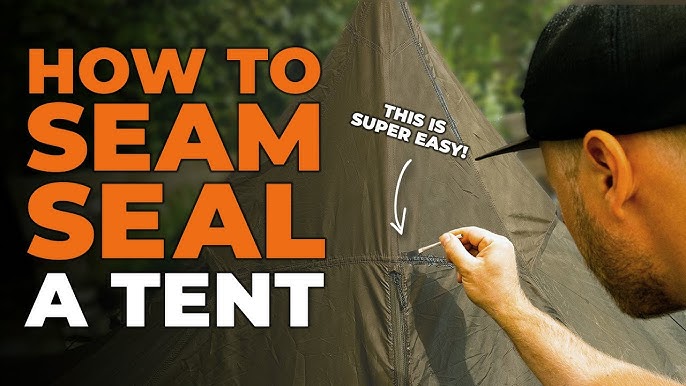
Seam sealing a new tent helps keep it waterproof and protected. The process is simple and only takes a little time. Follow these steps carefully for the best results. This guide shows how to prepare, apply sealer, and let it dry right.
Preparing The Tent
Set up your tent in a dry, clean area. Make sure the seams are free of dirt and dust. Use a soft brush or cloth to clean the stitching lines. Let the tent dry completely before starting. Check the weather forecast to avoid rain during the process.
Applying Seam Sealer
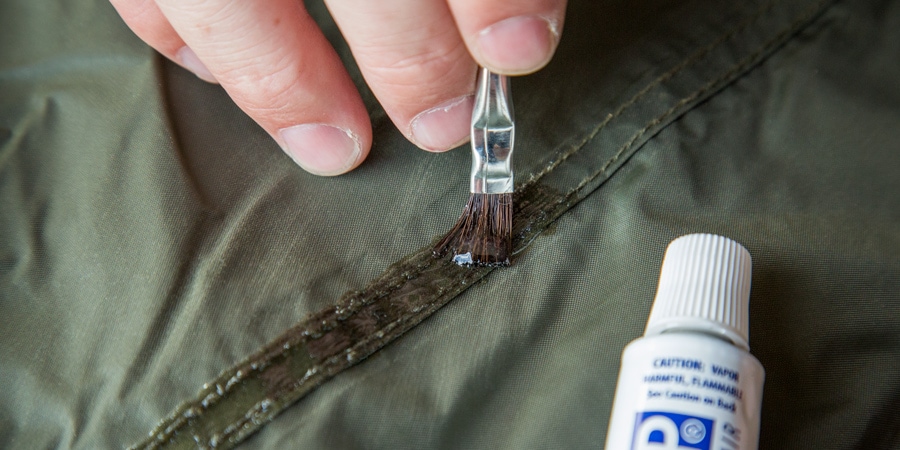
Choose a seam sealer made for your tent fabric. Use a small brush or applicator for precise work. Apply a thin, even layer along every seam and stitch line. Press the sealer gently into the fabric to fill gaps. Avoid thick layers to prevent cracking or peeling later.
Drying And Curing Tips
Allow the tent to dry in a warm, shaded place. Avoid direct sunlight, which can damage the fabric. Let the sealer cure for at least 24 hours for full protection. Do not pack or fold the tent until completely dry. Check seams again before your trip for any missed spots.
Common Mistakes To Avoid
Seam sealing a new tent can improve its waterproof ability. But mistakes during this process can cause problems. Avoiding common errors helps keep your tent safe and dry. Here are key mistakes to watch out for.
Over-sealing Seams
Applying too much seam sealer can damage your tent fabric. Thick layers may crack or peel over time. It can also clog the stitching and reduce breathability. Use a thin, even layer for best results.
Sealing Dirty Or Wet Seams
Seam sealer sticks best to clean, dry surfaces. Dirt or moisture stops proper sealing. Clean the seams with mild soap and water. Let them dry completely before applying sealer.
Ignoring Manufacturer Guidelines
Tent makers often give specific instructions for seam sealing. Ignoring these can void warranties or harm your tent. Follow their advice on products and application methods. This ensures the best protection and tent care.
Maintaining Seam Seals Over Time
Maintaining the seam seals on your tent is important for long-lasting waterproof protection. Over time, seams can wear down due to weather, use, and storage. Keeping the seals intact helps prevent leaks and extends the tent’s life.
Simple care and attention make a big difference. Regular checks and proper upkeep keep your tent ready for any adventure.
Regular Inspections
Check your tent seams after each trip. Look for cracks, peeling, or areas where the sealant looks weak. Early spotting helps you fix small problems before they grow. Use a soft cloth and mild soap to clean seams before inspection. Dirt and grime can hide damage and reduce sealant effectiveness.
Reapplying Sealant
Sealant wears off with time and use. Apply a new layer to weak spots or areas showing wear. Use a sealant made for your tent fabric type. Follow the instructions carefully for the best results. Allow the sealant to dry fully before packing the tent. This step keeps water from seeping through seams.
Storage Tips To Preserve Seals
Store your tent dry and cool to protect the seals. Avoid folding in the same place every time. Change folding patterns to prevent cracks in the sealant. Keep the tent away from direct sunlight during storage. UV rays can weaken fabric and sealant. Proper storage keeps your tent ready and strong for your next trip.
Expert Tips For Tent Longevity
Keeping your tent in good shape is important for many camping trips. Taking small steps helps your tent last longer. Simple habits can protect your tent from damage and wear. These expert tips focus on how to care for your tent well.
Using the right tools and techniques also saves you money. A well-maintained tent means fewer repairs and better shelter. Learn how to keep your tent strong and ready for adventures.
Using A Footprint Or Groundsheet
A footprint or groundsheet is a thin layer placed under your tent. It protects the tent floor from sharp rocks and dirt. This extra layer helps prevent holes and tears. It also keeps moisture from seeping into your tent. Using one can extend your tent’s life by reducing wear.
Proper Tent Setup
Setting up your tent correctly is key to its longevity. Always choose a flat, clean surface free of sticks and stones. Tighten all ropes and stakes firmly but gently. Avoid pulling too hard on the fabric to stop tears. Proper setup reduces stress on seams and fabric.
Handling Harsh Weather Conditions
Strong winds, heavy rain, and snow can harm your tent. Use extra guy lines to secure it during storms. Make sure the rainfly is properly attached to keep water out. Clear snow off the tent to avoid excess weight. Taking care during bad weather prevents damage and leaks.
Credit: www.rei.com
Frequently Asked Questions
Do New Tents Need Seam Sealing Before Use?
Most new tents come factory-sealed. However, seam sealing adds extra waterproof protection. It prevents leaks during heavy rain or extended use, especially for budget tents or older models.
How Do I Know If My Tent Seams Are Sealed?
Check the inside of your tent. Look for a shiny, rubbery coating over stitched seams. If seams feel rough or fabric shows through, they likely need sealing.
What Is The Best Seam Sealer For Tents?
Silicone or polyurethane-based seam sealers work best. They bond well to tent fabrics and remain flexible. Choose a product recommended by your tent manufacturer for optimal results.
Can Seam Sealing Damage My Tent Fabric?
Proper seam sealing does not harm fabric. Using the right sealer and applying carefully ensures durability. Avoid over-application or incompatible sealers to protect tent integrity.
Conclusion
Seam sealing a new tent helps keep water out during rain. It adds extra protection to the seams, which are weak spots. Many tents come pre-sealed, but sealing again never hurts. It takes little time and can save a wet night.
Dry gear and comfort matter on every trip. So, sealing seams is a small step with big benefits. Choose the right sealant and follow instructions carefully. Enjoy your camping without worrying about leaks. Simple care makes your tent last longer and stay strong.