
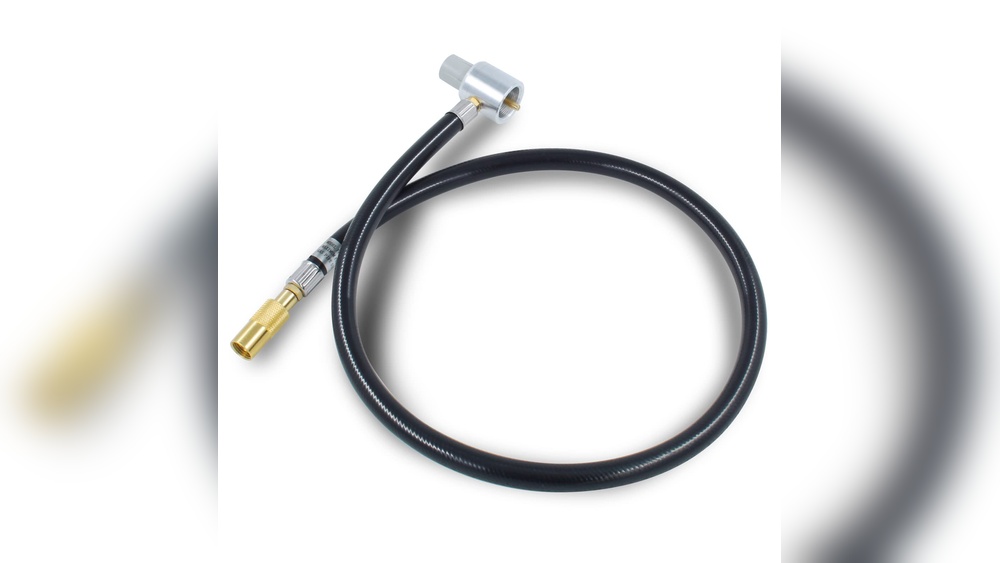
Your Coleman camp stove is your trusted companion on every outdoor adventure. But what happens when it stops working just as you’re about to cook a meal?
Don’t let a broken stove ruin your trip or force you to eat cold food. You can fix it yourself, even if you’re not a pro. In this guide, you’ll learn simple, step-by-step tips to repair your Coleman camp stove quickly and safely.
Keep reading to get your stove back in action and enjoy your next camping meal without a hitch.
Common Coleman Stove Issues
Coleman camp stoves are reliable for outdoor cooking. Still, they may face common problems after use. Knowing these issues helps you fix the stove quickly. This saves time and avoids frustration during camping.
Fuel Flow Problems
Fuel may not reach the burner properly. Dirt or old fuel can block the flow. Check the fuel line and clean it if needed. Also, verify the fuel tank has enough gas. A clogged jet or filter can stop fuel flow too.
Ignition Failures
The stove may not light at all. The ignition system might be dirty or worn out. Clean the spark plug and check the wiring. Sometimes, lighting with a match can help start the stove. Replace faulty ignition parts as needed.
Uneven Flame
Flames should be steady and even. Uneven flames can cause poor cooking results. This happens if the burner holes are clogged. Use a small brush to clean these holes. Adjust the fuel valve to get a balanced flame.
Leaking Fuel
Fuel leaks are dangerous and wasteful. Check all connections and seals for cracks. Replace any damaged gaskets or O-rings. Tighten all fittings carefully but do not overtighten. Always handle fuel safely to prevent accidents.

Credit: kafaatsa.com
Essential Tools And Materials
Repairing a Coleman camp stove requires some basic tools and materials. Having the right items makes the process easier and faster. This section covers the essential tools and supplies you need for a smooth repair.
Basic Repair Kit
A basic repair kit should include screwdrivers, wrenches, and pliers. These tools help open and fix the stove parts. A small adjustable wrench works well for most nuts and bolts. Needle-nose pliers are good for handling small pieces.
Replacement Parts
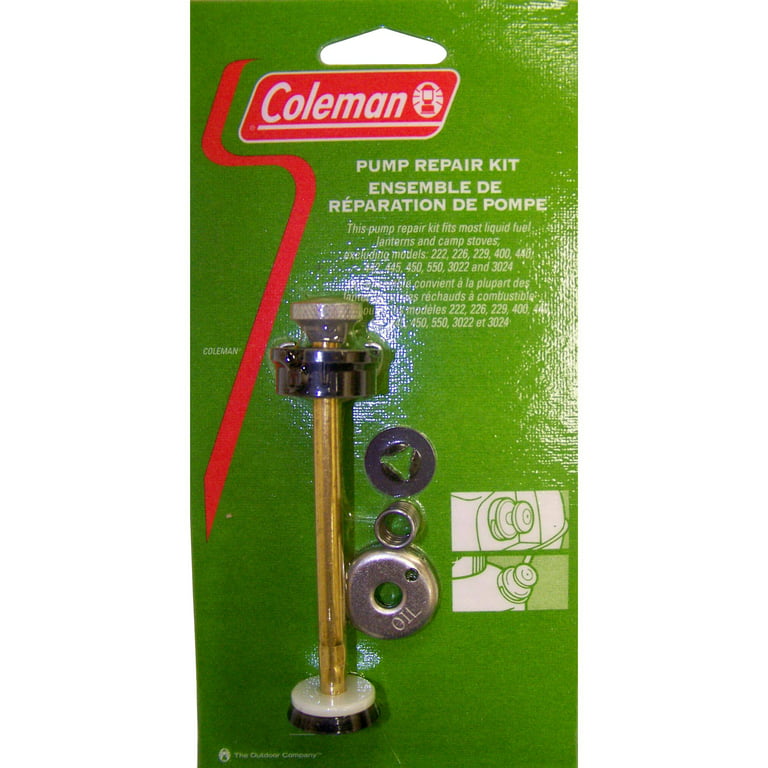
Keep common replacement parts on hand. These include fuel lines, gaskets, and burner jets. Coleman stoves often need new seals or jets after long use. Always check the model number to get the right parts.
Cleaning Supplies
Cleaning supplies help maintain and fix the stove. Use a soft brush to clear dirt and debris. Rubbing alcohol or mild detergent removes grease and grime. Clean parts work better and last longer.
Diagnosing The Problem
Diagnosing the problem with a Coleman camp stove is the first step to fix it. Without proper diagnosis, repairs might not work. Each part has a role in making the stove work. Checking these parts can help find the issue quickly. Let’s explore how to inspect key components of your stove.
Inspecting The Fuel Line
Start by examining the fuel line for cracks or blockages. A damaged fuel line can stop fuel flow. Look for leaks or hardened spots. Use a flashlight to see inside the tube. Clean any dirt or debris from the line. Replace the fuel line if you find damage.
Checking The Burner
Next, check the burner for clogs or rust. The burner spreads the flame evenly. Remove any dirt or spider webs inside the burner holes. Use a small brush or a pin to clear blockages. Rust may weaken the burner and affect performance. Replace the burner if it looks worn out.
Testing The Igniter
Test the igniter to see if it sparks correctly. Press the igniter button and watch for a spark. No spark means a faulty igniter or battery. Clean the igniter tip if dirty. Replace the igniter if it does not spark after cleaning.
Examining Seals And Valves
Check all seals and valves for leaks or damage. Seals keep the gas from escaping. Valves control the fuel flow to the burner. Look for cracks or loose fittings. Tighten or replace any broken parts. Use soapy water to spot leaks by watching for bubbles.
Fixing Fuel Flow Issues
Fuel flow problems can stop your Coleman camp stove from working. Fixing these issues helps your stove burn fuel correctly. This keeps your stove reliable during camping trips. The steps below show how to fix common fuel flow problems.
Clearing Blocked Fuel Lines
Blocked fuel lines stop fuel from reaching the burner. Dirt or old fuel can cause clogs. Start by disconnecting the fuel line carefully. Use compressed air or a thin wire to clear the blockage. Blow through the line until fuel flows freely. Reattach the line securely before testing the stove.
Replacing Fuel Filters
Fuel filters catch dirt before fuel reaches the stove. Over time, filters get dirty and block fuel flow. Remove the old filter from the fuel line. Insert a new, clean filter in the same place. Check for leaks after replacing the filter. A clean filter keeps fuel flowing smoothly.
Adjusting The Fuel Valve
The fuel valve controls the amount of fuel reaching the burner. Sometimes the valve is closed or partly blocked. Turn the valve slowly to open it fully. If the valve is stiff, apply a little lubricant. Make sure the valve moves freely for proper fuel flow. Test the stove to see if fuel flows well.
Repairing Ignition Systems
Repairing the ignition system of your Coleman camp stove can bring it back to life fast. The ignition system is key to starting the stove safely and quickly. Problems here often cause the stove to fail to light. Fixing these issues saves money and frustration during your camping trips.
This section explains simple steps to fix ignition problems. You will learn how to clean the spark plug, replace the igniter, and use manual ignition methods. Each step helps your stove spark and burn fuel properly. Follow these easy tips to get your stove working again.
Cleaning The Spark Plug
Start by removing the spark plug from the stove. Use a small wire brush to clear dirt and carbon build-up. Clean the metal tip gently to avoid damage. A clean spark plug creates a strong spark to light the fuel. After cleaning, dry the plug and reinstall it. Test the stove to see if it sparks better.
Replacing The Igniter
Buy a replacement igniter made for your Coleman model. Turn off the stove and disconnect any fuel lines. Unscrew the old igniter carefully from its place. Attach the new igniter and secure it tightly. Connect all parts back and check the spark. Replacing the igniter often solves ignition failure quickly.
Manual Ignition Techniques
Use a match or lighter if the igniter fails. Turn on the gas knob slowly to release fuel. Hold the flame near the burner without touching it. Light the fuel carefully to avoid flare-ups. Practice this safely outdoors and away from flammable materials. Manual ignition works well as a backup method.
Adjusting Flame Performance
Adjusting the flame performance of your Coleman camp stove helps it burn efficiently. A good flame saves fuel and cooks food evenly. Small tweaks can make a big difference in how your stove works. Follow these steps to improve flame quality and keep your stove running smoothly.
Cleaning Burner Ports
Burner ports can get clogged with dirt and old fuel. Blocked ports cause weak flames or uneven heat. Use a thin wire or needle to clear each port carefully. Blow air through the ports to remove loose debris. Clean burner ports regularly for better flame output.
Aligning Burner Components
Burner parts must fit together correctly for a steady flame. Check that the burner tube sits straight and tight. Loose parts can cause flickering or a yellow flame. Adjust components gently to ensure a proper fit. Correct alignment helps the stove burn clean and hot.
Calibrating Flame Control
The flame control knob adjusts gas flow to the burner. Turn the knob slowly to find the best flame size. The flame should be blue with small yellow tips. Too high a flame wastes fuel; too low slows cooking. Calibrate the control for steady, efficient burning every time.
Fixing Fuel Leaks
Fixing fuel leaks is important for safe use of your Coleman camp stove. Leaks waste fuel and can cause fire hazards. Finding and repairing these leaks keeps your stove working well and protects you from danger.
Fuel leaks often happen at connection points or where seals wear out. Checking these areas carefully helps find the problem fast. Small fixes can stop leaks and make your stove safe again.
Tightening Connections
Loose connections are a common cause of fuel leaks. Use a wrench to gently tighten all fittings. Do not overtighten, as this can damage the parts. Check the fuel line and valve connections carefully. Tighten until snug, but not forced. After tightening, test for leaks by applying soapy water. Bubbles mean a leak is still present.
Replacing Seals And Gaskets
Old or damaged seals cause leaks. Remove worn gaskets and replace them with new ones. Use parts designed for Coleman stoves to ensure a proper fit. Clean the sealing surfaces before installing new seals. This prevents fuel from escaping. Inspect seals regularly for cracks or dryness. Replacing seals keeps your stove leak-free and running smoothly.
Using Sealant Safely
Sealants can help stop small leaks around fittings. Choose a sealant made for fuel systems. Avoid using general adhesives that can melt or burn. Apply sealant sparingly to the leak area. Let it dry completely before using the stove. Follow product instructions carefully for safety. Proper use of sealant adds extra protection against leaks.
Credit: www.nicos-shrimps.com
Maintenance Tips For Longevity
Proper maintenance is key to keeping your Coleman camp stove working well. Small habits can extend the stove’s life and improve safety. Follow simple steps regularly to avoid big problems later.
Regular Cleaning
Clean the stove after each use. Remove food crumbs and grease to stop buildup. Use a soft cloth and warm water for wiping. Avoid harsh chemicals that can damage parts. Clean burner holes gently with a thin wire to keep flames strong.
Proper Storage
Store the stove in a dry place. Moisture can cause rust and damage. Keep it covered or in a case to protect from dust. Make sure the stove is cool and empty before storing. Proper storage helps keep parts working longer.
Seasonal Checks
Check the stove before each camping season. Inspect fuel lines for cracks or leaks. Test the ignition system to ensure it lights easily. Look for worn or broken parts and replace them. Seasonal checks prevent unexpected stove failures outdoors.
When To Seek Professional Help
Knowing when to seek professional help is important for your Coleman camp stove. Some problems require expert skills and tools. Trying to fix them alone could cause more damage or be unsafe. Recognizing these situations can save time, money, and keep you safe.
Complex Repairs
Some repairs are too difficult for beginners. Issues with the fuel system, internal parts, or ignition often need professional work. These parts are delicate and require special tools. Attempting these repairs without experience can lead to bigger problems.
Warranty Considerations
Your stove may still be under warranty. Trying to fix it yourself might void this warranty. Professionals can fix your stove while keeping the warranty valid. Check your warranty terms before starting any repairs.
Safety Concerns
Camp stoves use flammable fuel and high heat. Incorrect repairs can cause leaks or fires. If you smell gas or see damaged parts, stop using the stove. Get help from a trained technician to avoid accidents.

Credit: www.youtube.com
Frequently Asked Questions
How Do I Fix A Coleman Camp Stove That Won’t Light?
Check the fuel level and clean the burner. Inspect the fuel line for clogs or leaks. Replace faulty parts like the generator if necessary. Ensure all connections are tight before trying to light the stove again.
What Causes A Coleman Stove To Leak Fuel?
Fuel leaks often occur due to damaged seals or loose fittings. Inspect the fuel tank and connections for cracks or wear. Replace worn gaskets and tighten fittings to prevent leaks. Always check your stove before use to ensure safety.
How Can I Clean A Clogged Coleman Stove Burner?
Remove the burner and soak it in warm, soapy water. Use a soft brush or compressed air to clear debris from the holes. Avoid using sharp objects that can damage the burner. Reassemble and test the stove after cleaning.
When Should I Replace Parts On My Coleman Camp Stove?
Replace parts if you notice cracks, rust, or persistent malfunctions. Common replacements include fuel lines, seals, and generators. Regular maintenance helps extend stove life and ensures safe operation during camping trips.
Conclusion
Repairing your Coleman camp stove can save money and extend its life. Take time to follow each step carefully for best results. Regular maintenance helps avoid common problems and keeps the stove working well. Small fixes often prevent bigger issues later.
Trust your skills and be patient during the repair process. Enjoy cooking outdoors with a reliable stove that you fixed yourself. Keep tools and parts handy for future repairs. Simple care makes camping trips easier and more fun.