
Have you ever wondered if you can actually poop in a portable camping toilet? If you’re planning a camping trip or spending time outdoors, this question might be on your mind.
You want to stay comfortable and clean, but the idea of using a small, portable toilet can feel a bit awkward or confusing. Don’t worry—this article will clear up all your doubts and give you simple, practical tips to make your outdoor bathroom experience stress-free.
Keep reading to learn how these handy toilets work and why they might be just what you need on your next adventure.

Credit: www.amazon.com
Types Of Portable Camping Toilets
Portable camping toilets come in different types. Each type suits various camping needs and preferences. Understanding these types helps you choose the right one for your trip. Here are the main types of portable camping toilets.
Chemical Toilets
Chemical toilets use special liquids to break down waste. They have a sealed tank to prevent leaks and odors. These toilets are easy to use and clean. They work well for long camping trips. You just add chemicals after use to keep things fresh.
Bucket Toilets
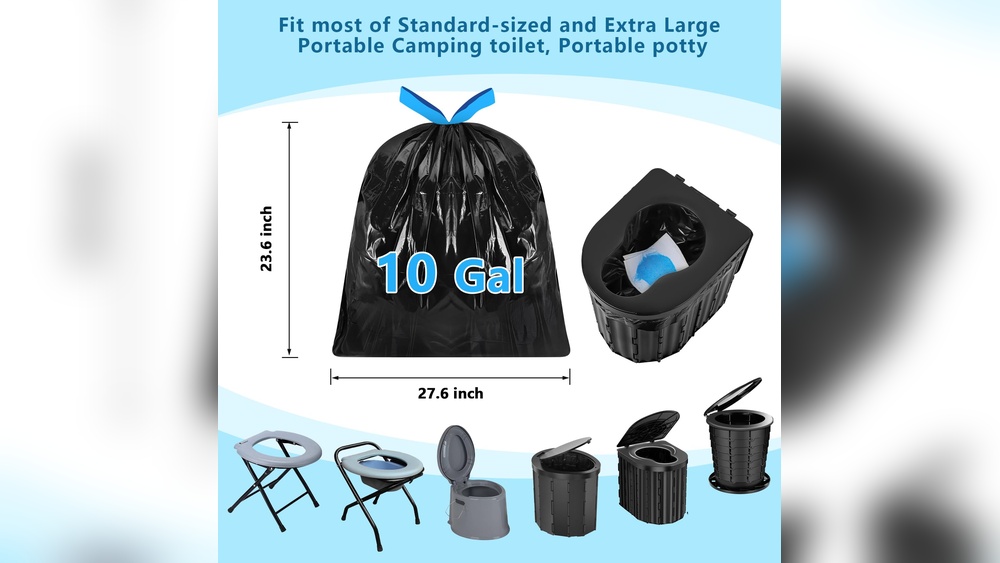
Bucket toilets are simple and affordable. They are just a bucket with a seat on top. You line the bucket with a bag for easy waste disposal. These toilets are lightweight and portable. They require manual cleaning and emptying after use.
Composting Toilets
Composting toilets turn waste into compost over time. They need good ventilation and some maintenance. These toilets do not use water or chemicals. They are eco-friendly and ideal for longer stays. Composting toilets reduce waste and odor naturally.
Foldable Toilets
Foldable toilets are compact and easy to carry. They fold flat for storage and travel. These toilets often use bags or liners for waste collection. Foldable toilets are quick to set up and clean. They suit campers who need lightweight, space-saving options.
How Portable Toilets Work
Portable camping toilets offer a simple and clean way to manage waste outdoors. They are designed to be easy to use and carry. Understanding how these toilets work helps you use them properly and keep the environment clean.
These toilets rely on basic systems for waste collection, odor control, and disposal. Each part works together to make your outdoor experience more comfortable.
Waste Containment
Portable toilets hold waste in a sealed tank or bag. This tank is usually under the seat. It keeps waste from spilling or leaking. The container is made to be leak-proof and strong. This setup stops contamination of soil and water.
Odor Control
Odor control is important in portable toilets. Many have a chemical solution or special gel inside the waste tank. These products break down waste and reduce smells. Some toilets use air vents or filters to help air flow. This keeps the toilet area fresh.
Waste Disposal Methods
Emptying a portable toilet is simple. You remove the waste tank or bag. Some tanks have a spout for easy pouring. Waste should be disposed of at designated dump stations. Following local rules helps protect nature. Some bags are biodegradable for easier disposal.
Using A Portable Toilet Properly
Using a portable camping toilet properly helps keep your outdoor trips clean and comfortable. It also protects the environment and avoids bad smells. Knowing how to set up, use, and clean the toilet is important for a good experience.
Setting Up The Toilet
Choose a flat, stable spot for the toilet. Open it carefully and check all parts fit well. Use the correct bags or chemicals designed for your model. Make sure the lid closes tightly to stop odors.
Place some toilet paper nearby. Keep hand sanitizer close for easy cleaning. Check the toilet before use to avoid spills or leaks.
Best Practices While Using
Sit down gently to avoid tipping the toilet. Use only the recommended toilet paper type. Do not flush anything besides human waste and paper. Close the lid after use to keep smells inside.
Wash your hands with sanitizer after each use. Avoid overfilling the toilet to prevent spills. Empty the toilet in a designated waste area only.
Cleaning Tips
Empty the portable toilet regularly. Use biodegradable cleaning products made for camping toilets. Rinse all parts with water after emptying. Wipe surfaces with a clean cloth to remove residue.
Allow the toilet to dry before folding or storing. Store it in a clean, dry place. Proper cleaning keeps the toilet fresh and ready for next use.

Credit: www.breezeresidency.com
Health And Hygiene Considerations
Using a portable camping toilet is practical for outdoor trips. Keeping health and hygiene in mind is essential. This helps avoid infections and keeps the campsite clean. Proper care protects you and others around you.
Simple habits can make a big difference. Clean hands and safe waste handling reduce germs. Managing odors keeps the area pleasant for everyone.
Sanitizing Your Hands
Always clean your hands after using the toilet. Use hand sanitizer or soap and water. This stops the spread of bacteria. Carry a small bottle of sanitizer for convenience. Clean hands mean better health for all campers.
Managing Waste Safely
Empty the portable toilet in designated areas only. Use gloves or tools to avoid direct contact. Seal waste bags tightly to prevent leaks. Dispose of waste according to local rules. This protects water and soil from contamination.
Preventing Odors
Use deodorizing chemicals made for portable toilets. These reduce smell and break down waste. Keep the toilet covered when not in use. Clean the toilet regularly to avoid buildup. Fresh air and cleanliness make camping more enjoyable.
Environmental Impact
Using a portable camping toilet has an impact on the environment. It helps reduce pollution and keeps nature clean. Understanding how to use these toilets responsibly is important. It protects plants, animals, and water sources.
Eco-friendly Options
Some portable toilets use biodegradable bags or chemicals. These options break down waste safely. They limit harmful effects on soil and water. Choosing eco-friendly models supports a healthier environment.
Proper Waste Disposal
Waste from portable toilets must be disposed of correctly. Dumping it in nature can cause pollution and spread diseases. Use designated waste stations or follow local rules. Proper disposal keeps camping areas safe and clean.
Leave No Trace Principles
Leave No Trace means leaving nature as you found it. Pack out all waste and garbage. Avoid digging holes or burying waste near water. Respecting these principles helps preserve outdoor spaces for everyone.

Credit: www.squattypottyaustralia.com
Troubleshooting Common Issues
Using a portable camping toilet can make outdoor trips easier. Still, small problems can happen. Knowing how to fix these issues helps keep your toilet working well. This guide covers common problems and simple solutions. It will help you handle spills, clogs, and keep your toilet fresh.
Handling Spills
Spills can happen during use or emptying. Clean spills quickly with paper towels or a cloth. Use a mild disinfectant spray for hygiene. Avoid harsh chemicals that can damage the toilet surface. Keep extra cleaning supplies nearby to act fast. This prevents stains and bad smells.
Dealing With Clogs
Clogs block waste and cause overflow. Use less toilet paper to avoid blockages. Add water to help break down waste in the holding tank. Use a portable toilet plunger if needed. Avoid flushing foreign objects like wipes or feminine products. Regular emptying reduces clog risks.
Maintaining Freshness
Odors can spoil your camping experience. Use deodorizing chemicals made for camping toilets. Clean the toilet bowl after each use. Keep the lid closed to trap smells. Empty the waste tank often to prevent buildup. Good ventilation also helps keep the air fresh.
Tips For Comfortable Use
Using a portable camping toilet can be easy and comfortable. Some small steps improve your experience. These tips help you feel relaxed and private during use. Comfort matters a lot in outdoor settings. Follow simple ideas for a better camping toilet experience.
Privacy Solutions
Privacy is important for comfort and peace. Use a pop-up privacy tent around the toilet. This tent blocks view and wind. You can also place the toilet behind a bush or tree. A small folding screen works well too. Carry a lightweight tarp to create quick shelter. Privacy keeps you calm and safe.
Adding Comfort Features
Bring soft toilet seat covers for extra comfort. Use biodegradable wipes instead of rough toilet paper. A small hand sanitizer bottle keeps hands clean. Add a foldable stool to rest your feet. This helps with posture and comfort. Carry a small trash bag to keep the area tidy. Little touches make a big difference.
Choosing The Right Location
Pick a flat, dry spot for your toilet. Avoid low areas that collect water or mud. Place the toilet near trees or bushes for shade. Stay away from your tent and water sources. This keeps your camp clean and safe. Good location helps with comfort and hygiene.
Frequently Asked Questions
Can You Poop In A Portable Camping Toilet Safely?
Yes, you can safely poop in a portable camping toilet. These toilets are designed to handle human waste hygienically. They contain waste in sealed tanks, preventing leaks and odors. Always follow the manufacturer’s instructions for proper use and cleaning to maintain hygiene.
How Do Portable Camping Toilets Manage Solid Waste?
Portable camping toilets use a sealed waste tank to store solid waste. Chemicals or biodegradable agents break down waste and control odor. The tank can be emptied at designated waste disposal sites to ensure safe and eco-friendly sanitation.
Are Portable Camping Toilets Easy To Clean After Use?
Yes, portable camping toilets are easy to clean. Most models have removable waste tanks for simple emptying. Use water and mild detergent for cleaning. Regular maintenance helps prevent odors and keeps the toilet hygienic during camping trips.
What Chemicals Are Used In Portable Camping Toilets?
Portable camping toilets often use formaldehyde-free chemicals. These chemicals break down waste and control odors. They are safe for the environment and help maintain cleanliness. Always use the recommended chemical type for your specific toilet model.
Conclusion
Portable camping toilets work well for pooping outdoors. They keep things clean and easy to manage. Just follow the instructions and empty them properly. These toilets help campers stay comfortable and hygienic. They are small, light, and simple to use.
No need to worry about dirt or smells. A good camping trip includes a reliable toilet option. Enjoy nature without losing comfort or cleanliness. Portable toilets make outdoor trips better for everyone. Simple, practical, and useful.