
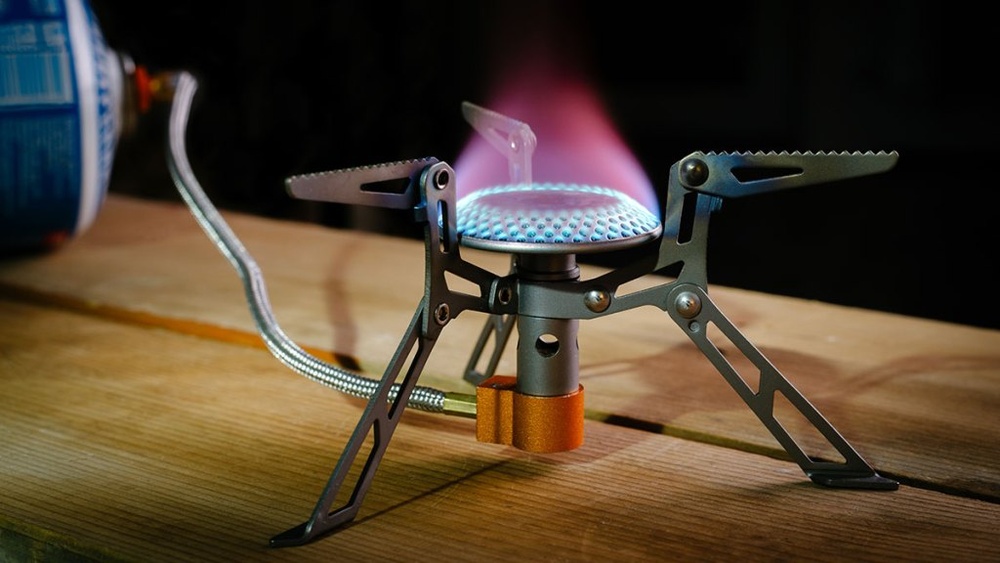
Are you wondering if you can safely use a propane camping stove indoors? It’s a question many outdoor lovers and emergency planners ask.
You might think it’s a quick way to cook when the power goes out or when you want a cozy meal inside. But before you light that burner, you need to know the risks and the right precautions. You’ll discover exactly what you should consider to keep yourself and your loved ones safe.
Keep reading to find out the truth about using a propane camping stove indoors and how to do it the right way—if it’s even possible.
Propane Stove Basics
Understanding propane stove basics helps you use these devices safely and effectively. Propane stoves run on propane gas stored in small, portable tanks. They provide a quick and reliable heat source for cooking outdoors.
These stoves are popular among campers, hikers, and outdoor enthusiasts. Knowing how they work and their common uses makes it easier to decide if they suit your needs.
How Propane Stoves Work
Propane stoves burn propane gas to produce heat. When you turn on the stove, propane flows from the tank through a valve. The gas mixes with air and ignites at the burner. This creates a flame for cooking.
The flame size adjusts by controlling the gas flow. More gas means a bigger flame and higher heat. Less gas creates a smaller flame for low heat.
Common Uses For Camping Stoves
Camping stoves cook meals outdoors. They boil water, fry food, and warm drinks quickly. Many use them for camping trips, picnics, and emergencies.
They are lightweight and easy to carry. This makes them perfect for backpackers and campers who need portable cooking gear.
Some also use propane stoves during power outages at home. They provide a backup cooking option when electric stoves don’t work.
Indoor Use Risks
Using a propane camping stove indoors can seem convenient. It can help during power outages or in small spaces. But it carries serious risks. Understanding these dangers is key to staying safe.
Carbon Monoxide Dangers
Propane stoves produce carbon monoxide gas. This gas is colorless and odorless. It can build up quickly in enclosed spaces. Breathing carbon monoxide can cause headaches, dizziness, or worse. High levels can lead to poisoning and even death.
Homes rarely have detectors for this gas. Without fresh air, carbon monoxide becomes deadly. Never use a propane stove indoors without proper ventilation.
Fire Hazards
Propane stoves have open flames. Flames can easily ignite nearby objects. Curtains, papers, or furniture can catch fire fast. Leaking propane gas can cause explosions.
Indoor use increases fire risk. Small mistakes can lead to large fires. Always keep flammable items away from the stove. Monitor the stove closely while it burns.
Ventilation Challenges
Good airflow is crucial when using propane stoves. Most homes do not have enough ventilation. Closed windows trap dangerous gases inside. Poor ventilation makes carbon monoxide build-up faster.
Opening windows or doors helps but may not be enough. Proper fans or vents are needed to clear toxic fumes. Without these, indoor use remains unsafe and harmful.
Safety Tips For Indoor Use
Using a propane camping stove indoors needs careful attention to safety. These stoves produce heat and gases that can be harmful in closed spaces. Follow key safety tips to reduce risks and keep your indoor environment safe.
Ensuring Proper Ventilation
Open windows and doors to allow fresh air inside. This helps remove harmful gases like carbon monoxide. Use fans if possible to improve air flow. Never use a propane stove in a completely closed room.
Using Carbon Monoxide Detectors
Install carbon monoxide detectors near the cooking area. These devices alert you to dangerous gas levels. Test detectors regularly to ensure they work. They provide an extra layer of protection indoors.
Safe Placement And Setup
Set the stove on a stable, flat surface. Keep it away from flammable materials like curtains or paper. Make sure the propane tank is upright and secure. Check for leaks before lighting the stove.
Monitoring Stove While In Use
Never leave the stove unattended while it is on. Stay nearby to control the flame and watch for problems. Turn off the stove immediately if you smell gas or see unusual flames. Continuous monitoring prevents accidents indoors.
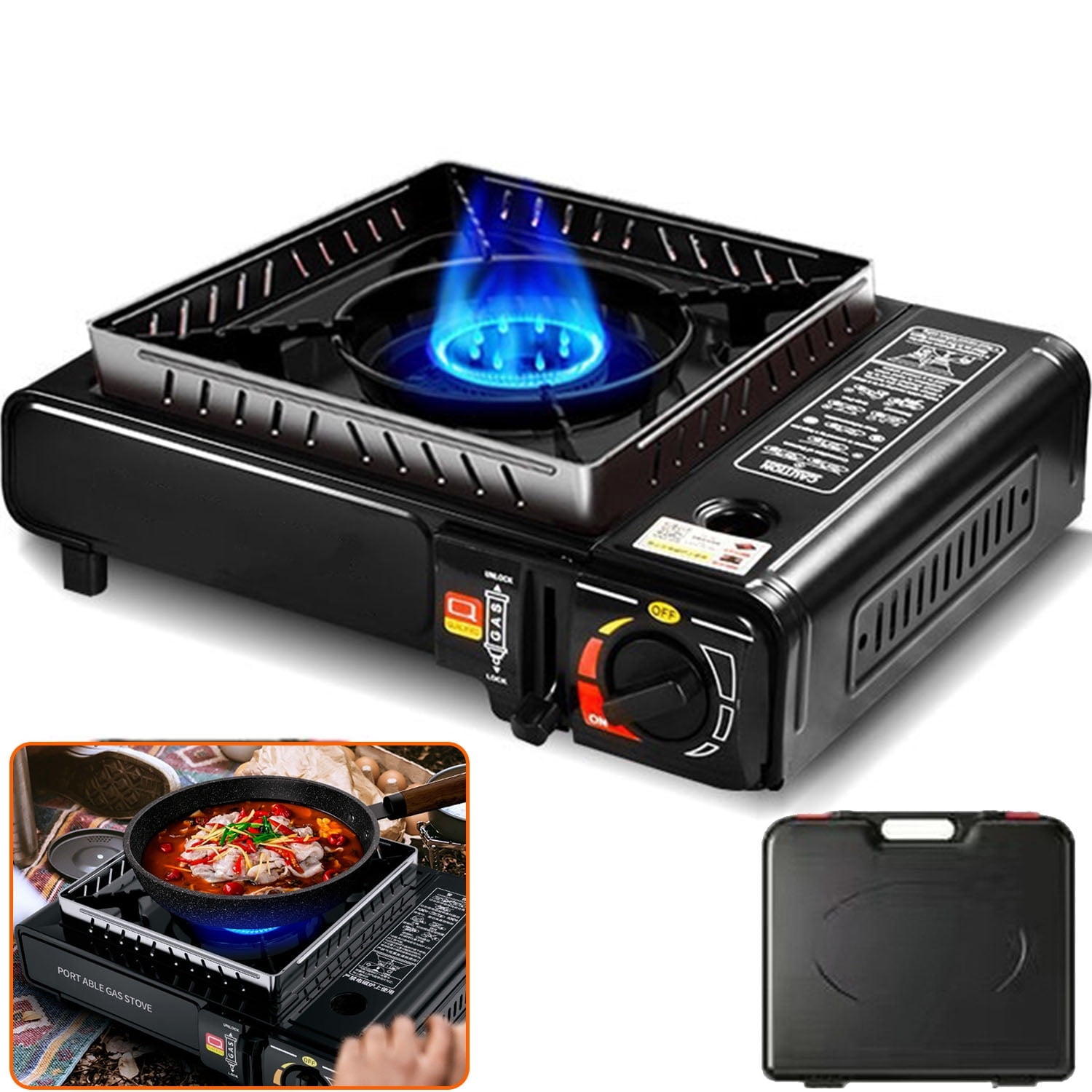
Credit: mojotaqueria.com
Alternatives To Propane Stoves Indoors
Using a propane camping stove indoors can be risky. It produces carbon monoxide, which is harmful in closed spaces. Finding safe alternatives is important for indoor cooking during camping or emergencies. These options reduce danger and offer convenience.
Electric Camping Stoves
Electric camping stoves are a safe indoor choice. They use electricity, so no gas or flames are involved. These stoves heat up quickly and cook food evenly. They are lightweight and easy to carry. Perfect for indoor use in small spaces.
Butane Stoves
Butane stoves are another option for indoor cooking. They burn cleaner than propane and produce less carbon monoxide. Butane gas cartridges are small and easy to store. Still, use butane stoves in well-ventilated areas for safety.
Induction Cooktops
Induction cooktops use magnetic energy to heat pots directly. They are very safe because the surface stays cool. Induction cooktops work fast and are energy-efficient. They need special cookware but are great for indoor use.
Legal And Manufacturer Guidelines
Using a propane camping stove indoors can be risky. It is important to follow legal rules and manufacturer advice. These guidelines help keep you safe and avoid trouble with the law. Understanding the regulations and instructions is essential before using any propane stove inside.
Regulations On Indoor Use
Many places have strict rules about using propane stoves indoors. These rules are for safety reasons. Propane stoves can produce harmful gases like carbon monoxide. Some laws ban indoor use of these stoves entirely. Others allow it only with special ventilation. Check local laws before using a propane stove inside. Ignoring these rules can lead to fines or worse.
Following Manufacturer Instructions
Manufacturers provide clear instructions for safe stove use. These instructions include where and how to use the stove. Most propane camping stoves are made for outdoor use only. Using them indoors can void warranties and cause hazards. Always read the manual fully before use. Follow all safety tips, such as using the stove in well-ventilated areas. Proper use reduces the risk of accidents and poisoning.

Credit: www.magic-vacation.com

Credit: us.amazon.com
Frequently Asked Questions
Can You Safely Use A Propane Camping Stove Indoors?
Using a propane camping stove indoors is generally unsafe due to carbon monoxide risks. Proper ventilation and carbon monoxide detectors are essential to avoid poisoning and fire hazards.
What Are The Dangers Of Indoor Propane Stove Use?
Indoor use of propane stoves can cause carbon monoxide buildup, fire risks, and oxygen depletion. These dangers make it critical to use them only outdoors or in well-ventilated areas.
How To Ventilate When Using A Propane Stove Indoors?
Ensure multiple open windows and doors for airflow. Use fans to circulate air and install carbon monoxide detectors for safety. Proper ventilation reduces harmful gas accumulation.
Are There Safer Alternatives To Propane Stoves Indoors?
Yes, electric or induction stoves are safer indoor alternatives. They don’t emit harmful gases and reduce fire risks, making them suitable for cooking inside the home.
Conclusion
Using a propane camping stove indoors can be very risky. These stoves need fresh air to work safely. Without good ventilation, harmful gases can build up fast. Always check for carbon monoxide alarms before using one inside. Consider safer cooking options for indoor use.
Safety should always come first in any cooking situation. Stay aware and protect yourself and others. Never take chances with indoor stove use. Your health matters most.