

When you’re planning your next outdoor adventure, one question probably weighs on your mind: how much should a lightweight tent weigh? You want something easy to carry but sturdy enough to keep you safe and comfortable.
Choosing the right tent weight can make or break your trip, affecting everything from your pace to your energy levels. You’ll discover the perfect balance between lightness and durability, helping you pick a tent that fits your needs without slowing you down.
Keep reading to find out exactly what to look for and how to make your camping experience better than ever.
Factors Affecting Tent Weight
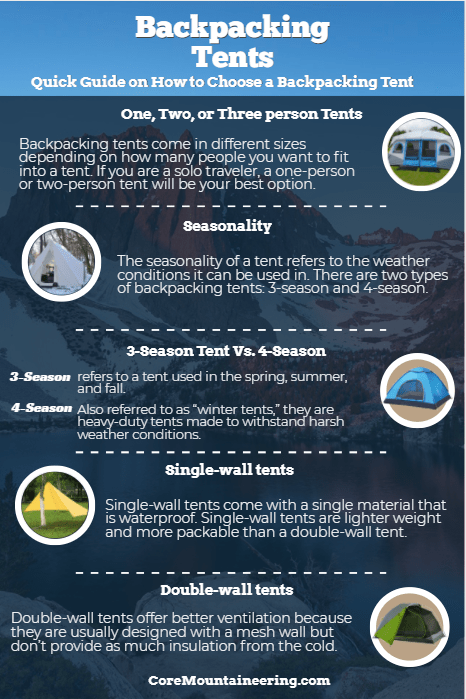
Tent weight varies for many reasons. Understanding these helps choose the right tent. Weight affects how easy it is to carry on trips. Knowing what adds weight helps pick a tent that fits your needs.
Material Types
Tent fabric affects weight a lot. Nylon is light and strong. Polyester is heavier but lasts longer. Some tents use waterproof coatings. These add a little weight but keep you dry. Poles also matter. Aluminum poles are lighter than steel ones.
Tent Size And Capacity
Bigger tents weigh more. A tent for two people is lighter than one for four. Extra space means more fabric and poles. Even small tents get heavier with more room. Think about how many people will use it.
Additional Features
Extra pockets, vestibules, and rain flies add weight. More zippers and doors also increase weight. Some tents have built-in footprints. These protect the floor but add grams. Choose features that matter most to you.
Credit: www.redvcm.org
Ideal Weight Ranges For Lightweight Tents
Choosing the right weight for a lightweight tent matters a lot for your comfort and ease. The ideal weight depends on your needs and how far you plan to hike. Knowing the typical weight ranges helps you pick a tent that fits your trip.
Ultralight Tents
Ultralight tents weigh about 1 to 2 pounds. They use thin materials and less space inside. Perfect for fast hikers and solo travelers. They save energy and reduce backpack weight. These tents may have fewer features and less room.
Lightweight Tents
Lightweight tents weigh between 2 to 4 pounds. They balance comfort and weight well. Good for most backpackers and small groups. These tents offer more space and durability. Ideal for trips where weight matters but comfort is needed.
Standard Backpacking Tents
Standard tents weigh 4 to 6 pounds or more. They provide more space, features, and weather protection. Suitable for casual hikers or family trips. These tents are heavier but offer extra comfort. Best for shorter hikes or easy access campsites.
Balancing Weight And Durability
Choosing a lightweight tent means finding the right balance between weight and durability. A tent that is too light may break easily. A very strong tent might be heavy to carry. The goal is to pick a tent light enough for travel but tough enough to last.
Understanding materials, weather resistance, and how long a tent will last helps make better choices. This section explains these key points for a good balance.
Strength Of Materials
Tent materials affect weight and strength. Nylon and polyester are common choices. Ripstop fabrics add durability without adding much weight. Thicker fabric means more strength but also more weight. Look for tents with reinforced seams. Strong poles made from aluminum or carbon are light and sturdy. Avoid cheap plastic poles that break easily.
Weather Resistance
A tent must protect from rain, wind, and sun. Waterproof coatings keep water out. Durable fabrics resist tearing in storms. Good ventilation prevents moisture inside the tent. Sealed seams stop leaks. Strong zippers and sturdy rain flies improve weather protection. Lightweight tents can still offer good weather resistance with the right design.
Longevity Considerations
How long a tent lasts depends on use and care. Frequent use in rough conditions wears tents faster. Lightweight tents may not last as long as heavier ones. Proper maintenance extends tent life. Dry tents before storage and repair small tears quickly. Think about how often and where you camp. Choose a tent that fits your needs and lasts enough to be worth the weight.
Credit: sectionhiker.com
Weight Impact On Hiking Experience
The weight of a lightweight tent plays a big role in your hiking journey. It affects how much energy you use, how you carry your pack, and how fast you can set up camp. Choosing the right weight helps you enjoy the trail more and avoid getting too tired.
Energy Consumption
Heavier tents need more energy to carry. Your legs get tired faster, and you may need more breaks. A lighter tent saves your strength for hiking longer distances. Less weight means you can move quicker and feel less tired at the end of the day.
Pack Distribution
The tent’s weight changes how your pack feels on your back. A heavy tent can make your pack unbalanced. This can cause discomfort or pain during long hikes. A lightweight tent lets you pack better and keeps your load steady. Balanced weight helps you walk with ease.
Setup Time
Lightweight tents are usually easier to set up. They have fewer parts and use simple designs. This saves time and effort after a long hike. Quick setup means more time to rest and enjoy nature. Heavy tents can take longer and make you feel tired before sleep.
Tips For Choosing The Right Tent Weight
Choosing the right tent weight is important for a good hiking experience. A tent too heavy will tire you out. A tent too light might not protect you enough. Use these tips to find the best balance.
Think about your hiking needs before deciding on tent weight. This will help you carry what you really need.
Assessing Your Hiking Style
Consider how you hike. Fast and long hikes need lighter tents. Slow hikes or car camping allow heavier tents. Your pace affects how much you want to carry.
Think about your comfort. A bit more weight can mean more space or better features. Match your tent weight with how you hike daily.
Considering Trip Length
Short trips need lighter tents. You carry less food and gear. Long trips need tents that last. They might be heavier but offer more protection.
Balance weight and durability. For a few days, carry light. For weeks, choose strong and reliable tents.
Evaluating Weather Conditions
Check the weather before you pick your tent. Light tents work well in calm weather. Heavy tents protect better in rain and wind.
Plan for rain or cold. Carry a tent that keeps you dry and warm. Weight is less important than safety in bad weather.
Credit: seekoutside.com
Popular Lightweight Tent Models And Their Weights
Choosing the right lightweight tent depends on many factors. Weight is often a top priority for hikers and campers. Knowing the weight of popular models helps you find a tent that suits your needs. Below are some popular lightweight tents and their weights.
Top Ultralight Options
Ultralight tents weigh less than 3 pounds. These tents are perfect for long hikes and backpacking trips. Models like the Zpacks Duplex weigh about 1.6 pounds. The Big Agnes Fly Creek HV UL2 comes in around 2.5 pounds. These tents save energy by being easy to carry.
Best Value Lightweight Tents
Value tents balance weight, price, and durability. The REI Co-op Quarter Dome SL 2 weighs about 3.5 pounds. It offers good space and weather protection. The MSR Elixir 2 weighs 4.5 pounds but costs less than ultralight options. These tents suit campers on a budget.
Durable Yet Lightweight Choices
Some tents focus on strength without adding much weight. The Nemo Hornet Elite 2 weighs just under 3 pounds. It uses tough materials to withstand rough weather. The Big Agnes Copper Spur HV UL3 weighs 3.5 pounds and is very sturdy. These tents last long and stay light for travel.
Reducing Tent Weight Without Compromising Safety
Reducing tent weight is important for comfortable hiking and camping. Carrying less weight helps you move faster and saves energy. Safety must never be ignored while cutting down weight. The goal is to find the right balance between lightness and protection from weather and insects.
Minimalist Gear Strategies
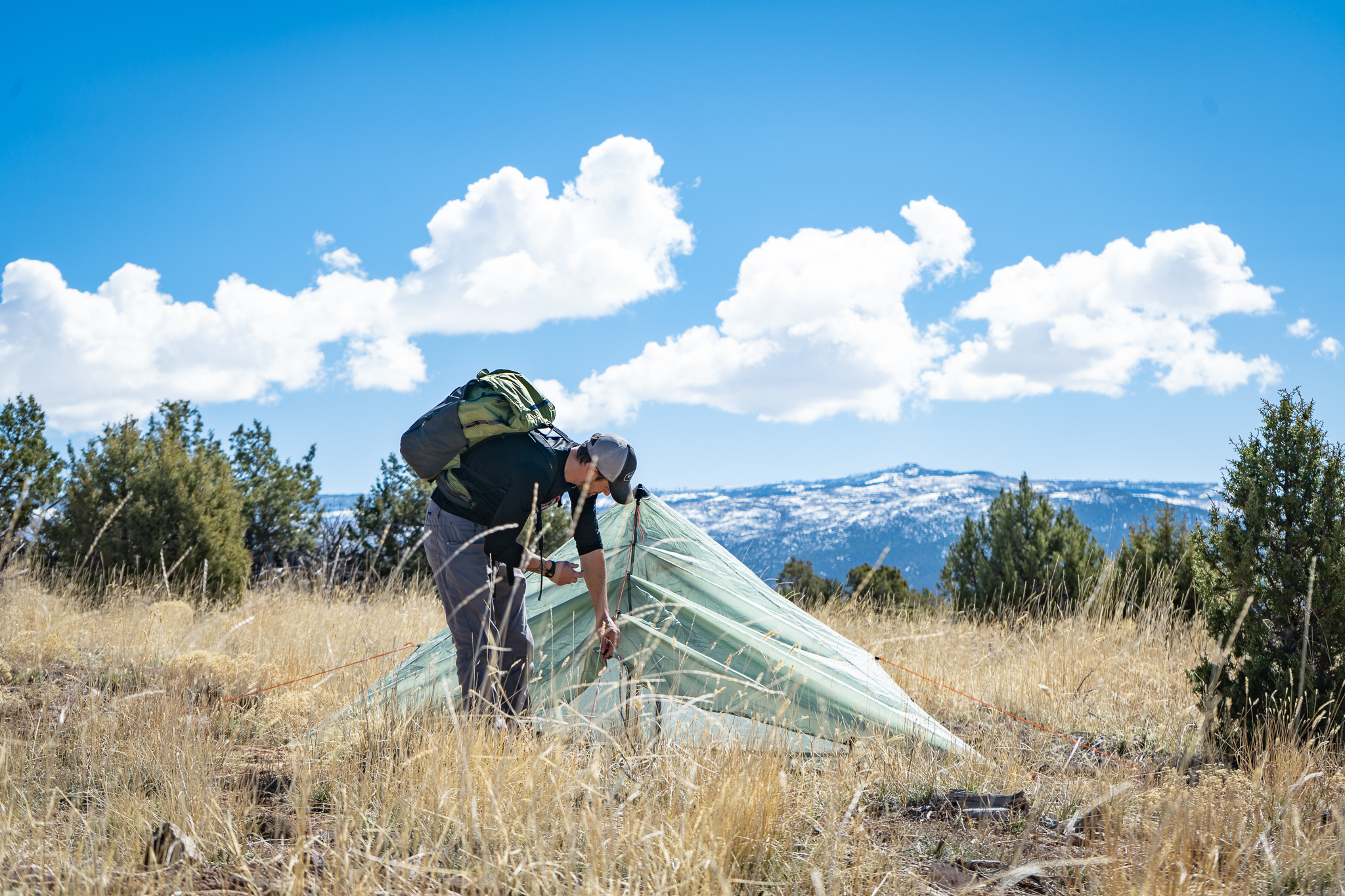
Choose only the essential gear for your trip. Avoid bringing extra items that add weight without much use. Pick a tent that fits your group size perfectly. Too large tents mean extra fabric and poles. Use simple designs with fewer parts. This lowers weight and reduces setup time.
Using Lightweight Accessories
Opt for lightweight stakes and poles made from aluminum or carbon fiber. Replace heavy ropes with thinner, stronger cords. Use compact and light ground tarps instead of bulky footprints. Lightweight sleeping pads and bags also reduce your load. Check accessories for durability to keep safety intact.
Maintenance For Weight Efficiency
Keep your tent clean and dry to avoid damage and extra weight. Repair small tears quickly to stop them from growing. Store your tent properly to prevent fabric weakening. Regular checks on zippers and seams help maintain function. Well-maintained tents last longer and stay light.
Frequently Asked Questions
What Is The Ideal Weight For A Lightweight Tent?
The ideal lightweight tent weighs between 2 to 4 pounds. This range balances portability and durability. It suits most backpackers and campers aiming to minimize load without sacrificing comfort.
How Does Tent Weight Affect Backpacking Trips?
Lighter tents reduce overall pack weight, increasing hiking comfort. This helps conserve energy and allows for longer, more enjoyable trips. Heavier tents may cause fatigue and slower travel.
What Materials Make A Tent Lightweight?
Common lightweight tent materials include nylon and polyester with silicone or polyurethane coatings. These materials provide strength, water resistance, and low weight, ideal for backpacking and outdoor adventures.
Can A Lightweight Tent Be Durable Enough?
Yes, modern lightweight tents use strong materials and designs. They can withstand various weather conditions while remaining light. Proper care extends their lifespan significantly.
Conclusion
Choosing the right weight for a lightweight tent matters a lot. It affects how easy it is to carry on trips. Most hikers prefer tents between 2 to 4 pounds. This weight offers a good balance of comfort and portability.
Remember, lighter tents may cost more or have fewer features. Think about your trip length and weather conditions. A well-chosen tent makes your outdoor adventure more enjoyable and safe. Keep weight in mind, but also consider durability and space. Your perfect tent fits your needs and keeps you comfortable.