
Choosing the right hiking boots can make or break your outdoor adventure. If your boots don’t fit properly, you might face blisters, sore feet, or even injuries that cut your hike short.
You want your boots to feel comfortable from the very first step and support you through every mile. But how do you know if your hiking boots fit just right? You’ll discover simple yet powerful tips to find the perfect fit, so your feet stay happy and your hike stays unforgettable.
Keep reading to learn what to look for and avoid when picking your next pair of hiking boots.
Credit: www.kashifiqbal.com
Choosing The Right Size
Choosing the right size is key to comfortable hiking boots. Boots that are too tight cause pain and blisters. Boots that are too loose can lead to slipping and injury. Proper fit helps you enjoy your hike without discomfort.
Measuring Your Feet Accurately
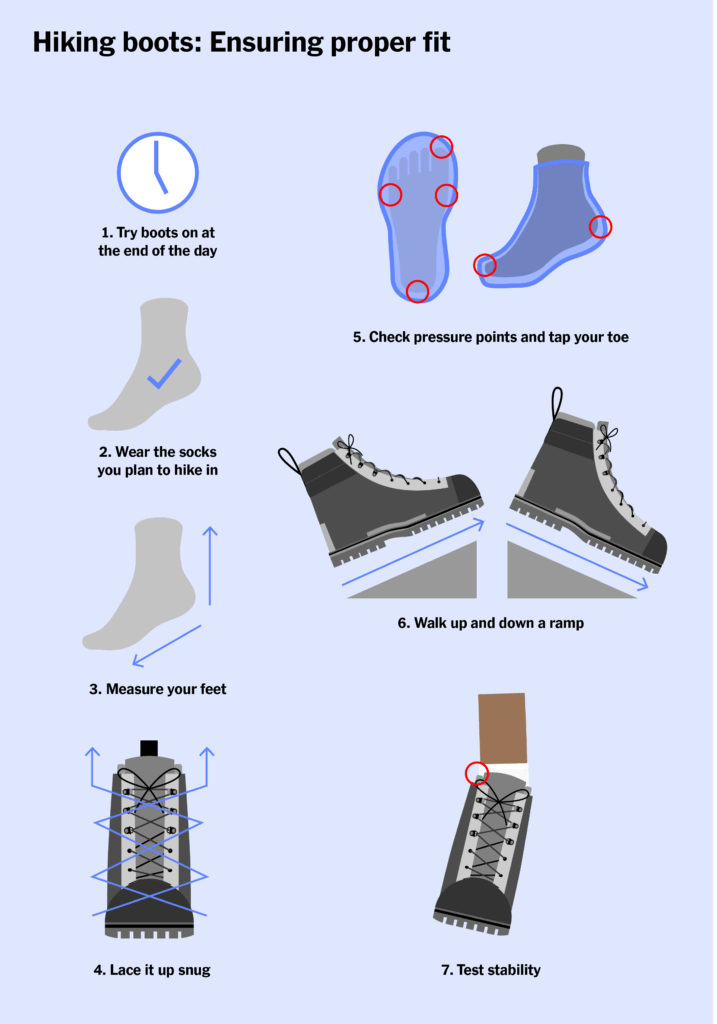
Use a ruler or tape to measure your foot length. Measure both feet because they may differ slightly. Measure at the end of the day when feet are largest. Stand straight and place your heel against a wall. Mark the longest toe’s tip to get the length.
Considering Sock Thickness
Think about the socks you will wear hiking. Thick socks need more space inside the boot. Thin socks require less room but might cause slipping. Try boots with your usual hiking socks for best fit. This prevents surprises on the trail.
Trying Boots On At Different Times
Feet swell during the day, so try boots in the afternoon or evening. Test both boots and walk around to feel pressure points. Stand on a slope to check toe space and heel grip. Wear the boots for at least 10 minutes before deciding.
Checking Toe Room
Checking toe room in hiking boots is very important. Your toes need space to move without feeling tight. Tight boots cause pain and hurt your walk. Too much space makes your foot slide. Both are bad for hiking comfort and safety.
Good toe room helps your feet stay healthy on the trail. You can avoid injuries and enjoy your hike more.
Ensuring Enough Space For Toes
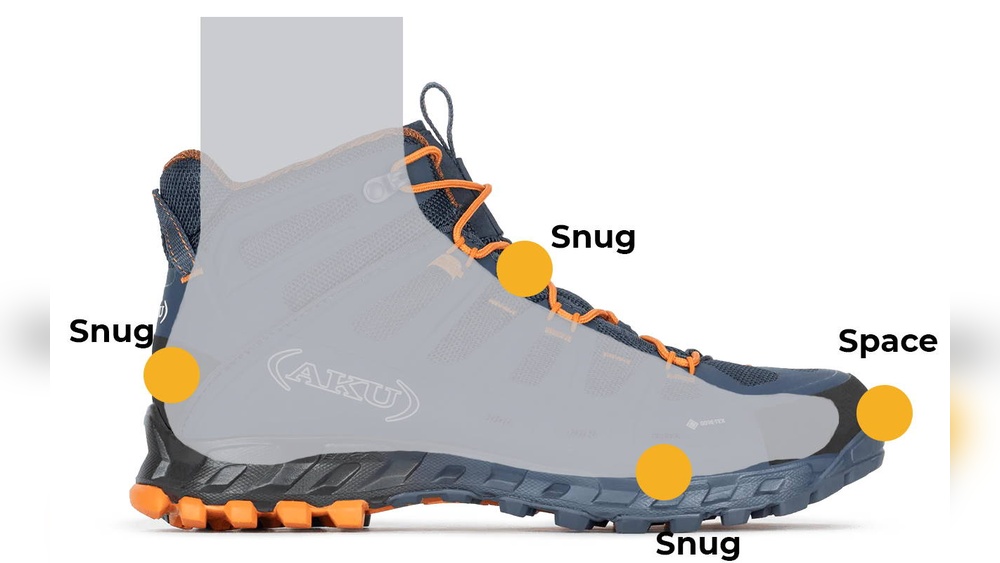
There should be about a thumb’s width between your longest toe and the boot tip. This space allows your toes to move slightly when you walk downhill. Try boots on with hiking socks to get the right fit. Walk around and notice if your toes feel cramped or loose.
Avoiding Toe Pinching And Blisters
Pinching causes pain and blisters on your toes. Boots that are too tight or narrow cause this. Make sure the boot’s toe box is wide enough for your foot shape. Blisters happen from rubbing and pressure. Proper toe room helps stop this problem before it starts.
Assessing Heel Fit
Assessing heel fit is key to comfortable hiking boots. A good heel fit keeps your foot steady. It prevents rubbing and blisters. You feel secure on rough trails. The heel should feel snug but not tight. Your heel should not slip when walking.
Preventing Heel Slippage
Heel slippage causes discomfort and blisters. It happens when the boot is too loose. To stop slippage, try boots with padded heel collars. Lace your boots tightly around the ankle. Walk around to check if your heel lifts. If it does, the boots may be too big.
Importance Of Heel Lock
Heel lock keeps your heel in place. It improves stability on uneven ground. Use the lace hooks to create a secure lock. Pull the laces tight but not painful. A good heel lock reduces foot fatigue. It helps prevent ankle twists during hikes.

Credit: currex.com
Evaluating Arch Support
Arch support plays a big role in how hiking boots fit and feel. Your arches help hold your weight and keep your feet steady. Boots without proper arch support can cause pain and tired feet. It is important to check that your boots match your arch type. This helps prevent foot problems on the trail.
Matching Boots To Your Arch Type
First, know your arch type: low, normal, or high. Low arches need boots with strong support inside. Normal arches fit well with most hiking boots. High arches require boots with extra cushioning and support. Many brands label boots by arch type. Choose boots that match your arches for better comfort.
Using Insoles For Extra Support
Insoles can improve arch support in any boots. You can buy insoles made for different arch shapes. They add comfort and reduce foot strain. Custom insoles work best but cost more. Try insoles if your boots feel too flat or too hard. Change them until your feet feel right on the trail.
Testing Comfort And Flexibility
Testing the comfort and flexibility of hiking boots helps find the right fit. Boots should feel good from the first step. Comfort means no pain or tight spots. Flexibility means the boots move with your feet easily. Both are key for long hikes.
Walking On Different Surfaces
Try walking on grass, gravel, and pavement. Notice how the boots support your feet. Check if any part of the boot rubs or feels tight. The boots should adapt to each surface without discomfort. This shows good cushioning and grip.
Bending And Twisting The Boots
Bend the boots at the toe area by hand. Twist them slightly to feel their flexibility. Boots that are too stiff may cause foot pain. Boots that bend too easily might not protect well. Aim for a balance: firm but flexible.

Credit: www.youtube.com
Breaking In Your Boots
Breaking in your hiking boots is a key step for comfort on the trail. New boots feel stiff and tight at first. This is normal. The materials need time to soften and shape to your feet. Proper breaking in reduces blisters and pain. It helps your boots last longer. Take your time with this process. Start slow and listen to your feet.
Gradual Wear Techniques
Wear your boots around the house first. Walk on different surfaces like carpet and wood. Next, try short walks outside. Add more time each day. Avoid long hikes until boots feel softer. Use thick hiking socks to protect your feet. Loosen the laces slightly for better comfort. This slow approach helps the boots mold to your foot shape.
Dealing With Hot Spots And Soreness
Hot spots feel like small areas of intense friction. They often lead to blisters. Stop walking at the first sign. Apply moleskin or blister pads to protect these spots. Adjust your socks or lacing to reduce pressure. Rest your feet if soreness increases. Use foot powder to keep feet dry. Taking care of hot spots early prevents bigger problems on the trail.
Common Fit Problems
Hiking boots that do not fit well cause many problems. Pain and discomfort often come from poor fit. Common fit problems include pressure points, blisters, and calluses. These issues can spoil your hiking experience. Knowing how to spot and fix these problems helps you enjoy your hikes more.
Identifying Pressure Points
Pressure points feel like tight spots inside the boots. They cause pain on the top, sides, or toes. Boots that are too tight or too loose create these spots. Pressure points may cause numbness or redness on your feet. Check your feet after hiking for any signs of pressure. Wearing thick socks can hide these issues during fitting.
Solutions For Blisters And Calluses
Blisters form from friction between your skin and boots. Calluses develop from repeated pressure or rubbing. To reduce blisters, keep your feet dry and wear proper socks. Use blister pads or tape on problem areas before hiking. Break in your boots slowly by wearing them for short walks. For calluses, use a pumice stone gently after hiking. Choosing boots with good cushioning also helps prevent these problems.
Tips For Buying Hiking Boots
Buying the right hiking boots makes a big difference on the trail. Good boots protect your feet and keep you comfortable. Choosing the right fit takes time and care. Here are some tips to help you buy hiking boots that fit well and last long.
Shopping At The Right Time
Shop for boots in the afternoon or evening. Feet swell during the day. Boots that fit in the morning may feel tight later. Trying boots on after a walk helps find the true fit. Wear the socks you plan to hike in. This shows how boots will feel on the trail.
Consulting With Experts
Talk to store staff who know hiking boots well. They can suggest brands and styles that suit your feet. Explain your hiking plans and terrain. Experts help you find boots with the right support and durability. Don’t hesitate to ask for advice on fit and comfort.
Frequently Asked Questions
How Tight Should Hiking Boots Fit?
Hiking boots should fit snugly without causing pain. Your toes need slight wiggle room to prevent blisters. Heel slippage must be minimal to avoid discomfort. Proper fit ensures stability and comfort during long hikes.
When Should I Try On Hiking Boots For Best Fit?
Try hiking boots in the afternoon or evening. Feet tend to swell throughout the day. This timing ensures the boots fit well during peak foot size. Always wear hiking socks while trying on boots.
Can Hiking Boots Be Too Loose Or Too Tight?
Yes, boots too loose cause blisters and instability. Boots too tight restrict blood flow and cause discomfort. Proper fit balances snugness and comfort for optimal hiking performance.
Should Hiking Boots Fit Differently For Uphill Versus Downhill?
Hiking boots should fit securely for both uphill and downhill. Slight toe room helps prevent pressure on descents. Heel grip is crucial to avoid slipping inside boots on slopes.
Conclusion
Choosing hiking boots that fit well keeps your feet safe and comfortable. A good fit means no blisters or pain on the trail. Always try boots with hiking socks and walk around before buying. Leave some space at the toes but keep the heel snug.
Remember, proper fit helps you enjoy every hike without worry. Take your time to find the right pair. Your feet will thank you on every adventure.