

If you’ve just bought a new pair of hiking boots, you’re probably excited to hit the trails. But before you do, there’s one crucial step you can’t skip: breaking in your boots.
Wearing stiff, uncomfortable boots on a long hike can lead to blisters, sore feet, and a ruined adventure. You want your boots to feel like they were made just for you—soft, supportive, and ready to go. You’ll discover simple, effective ways to break in your hiking boots quickly and safely.
Follow these tips, and you’ll be stepping out with confidence and comfort on every trail. Keep reading to learn how to make your boots your best hiking companion.
Choosing The Right Boots
Choosing the right hiking boots is the first step to comfortable hikes. Boots that fit well protect your feet and prevent blisters. The right boots support your ankles and help you walk on tough trails. Picking boots that match your hiking style makes your trips more enjoyable.
Fit And Sizing Tips
Try boots on with the socks you plan to wear. Your toes should have some space but not too much. Walk around to check for tight spots or slipping heels. Remember, boots may feel stiff at first. Break them in slowly to avoid pain. Always choose boots that feel good from the start.
Material Considerations
Leather boots last longer and protect well from water. They need more time to break in. Synthetic boots are lighter and dry faster. They often feel softer right away. Think about the weather and trail type. Pick materials that suit your needs and climate.
Boot Types And Uses
Light hiking boots work for easy trails and day trips. They are flexible and less heavy. Midweight boots add more support for rougher paths. Heavy boots protect on rocky, steep trails. Consider where you hike most. Match boot type to your usual adventures.
Preparing Your Boots
Preparing your hiking boots before hitting the trail is important. Proper preparation helps make your boots comfortable. It also protects them and makes them last longer. Taking time to get your boots ready saves you from blisters and pain on your hikes.
Cleaning Before Use
Start by cleaning your boots well. Dirt and dust can damage the material. Use a soft brush to remove loose dirt. If needed, wipe with a damp cloth. Avoid soaking your boots in water. Let them dry naturally away from direct heat.
Applying Waterproof Treatments
Waterproofing keeps your feet dry and boots safe. Choose a waterproof spray or wax made for your boot type. Apply it evenly over the entire surface. Focus on seams and stitches where water can enter. Let the treatment dry completely before wearing the boots outside.
Loosening Laces Properly
Loosen your laces to avoid tight spots. This helps your feet move freely inside the boots. Start from the bottom and work upward. Loosen each section gradually to reduce pressure. Proper lacing prevents blisters and improves comfort on long walks.
Breaking In Techniques
Breaking in hiking boots is an important step before hitting the trails. It helps the boots fit better and prevents blisters. Using proper techniques makes the process easier and more effective. Start slowly and be patient. Your feet will thank you on your next hike.
Short Walks At Home
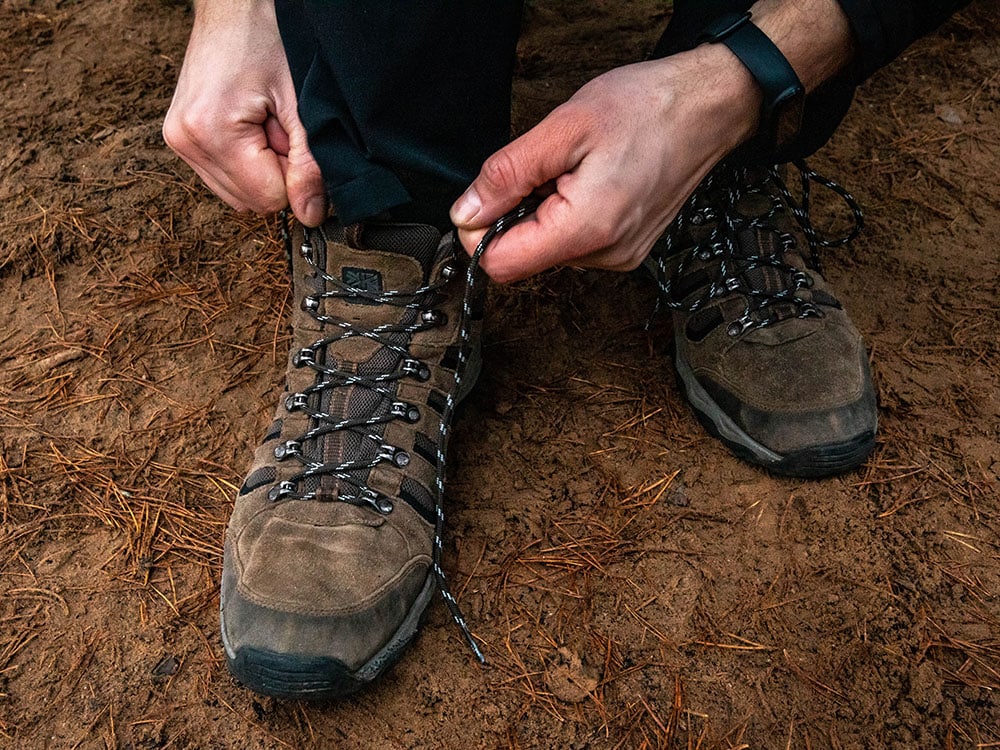
Begin by wearing your boots around the house. Walk for 20 to 30 minutes each day. This helps the material soften and mold to your feet. Avoid long walks at first. Small steps prevent discomfort and blisters. Check your feet for any tight spots or pain.
Gradual Increase Of Hiking Distance
After short walks, try easy hikes outside. Start with flat trails and short distances. Slowly add more time and uphill paths. This builds comfort and strength in your boots. Your feet adjust to new pressure and movement. Stop if you feel pain or rubbing.
Using Thick Hiking Socks
Wear thick hiking socks during the break-in phase. They provide extra cushioning and reduce friction. Socks also help absorb sweat and keep feet dry. Avoid cotton socks; choose wool or synthetic materials. Thick socks protect your feet and improve boot fit.
Credit: hikemuch.com
Dealing With Discomfort
Breaking in hiking boots often brings some discomfort. This is normal as your feet adjust to new footwear. Managing this discomfort helps avoid blisters and pain. Pay attention to your feet and boots during the break-in period. Take steps to ease pressure and improve fit. This section covers key ways to handle discomfort effectively.
Identifying Pressure Points
Pressure points are areas where boots press too hard on your feet. These spots cause pain and blisters. Walk around your home to find sore or red areas. Check toes, heels, and sides carefully. Mark these spots to focus on them with adjustments. Knowing pressure points helps target discomfort quickly.
Using Insoles And Padding
Insoles add extra cushioning inside your boots. They can support arches and reduce foot fatigue. Choose insoles that fit your foot shape well. Add padding like moleskin or foam to pressure points. These materials protect skin and reduce rubbing. Replace or adjust padding as needed for comfort.
Adjusting Lacing Patterns
Lacing affects how boots fit and feel. Changing lacing can reduce tightness in sore spots. Try skipping eyelets or using different patterns for better pressure distribution. Loosen laces at the top for ankle comfort. Experiment with lacing until boots feel snug but not tight.
Maintenance During Break-in
Maintaining your hiking boots during the break-in period helps them last longer. Proper care makes your boots comfortable faster. It prevents damage and keeps them ready for rough trails.
Regular Cleaning And Drying
After each hike, clean your boots gently. Use a soft brush to remove dirt and mud. Avoid harsh soaps that can damage the material. Rinse with clean water but do not soak them.
Dry your boots at room temperature. Keep them away from direct heat like radiators. Stuff them with newspaper to absorb moisture and keep shape. Drying boots well stops bad smells and material damage.
Reapplying Waterproofing
Hiking boots often come with waterproof coatings. This layer wears off during use and cleaning. Reapply waterproof sprays or wax regularly to keep water out. Follow product instructions for best results.
Waterproof boots keep your feet dry and comfortable. Dry feet reduce blisters and other foot problems. Check your boots for signs of water absorption often.
Storing Boots Correctly
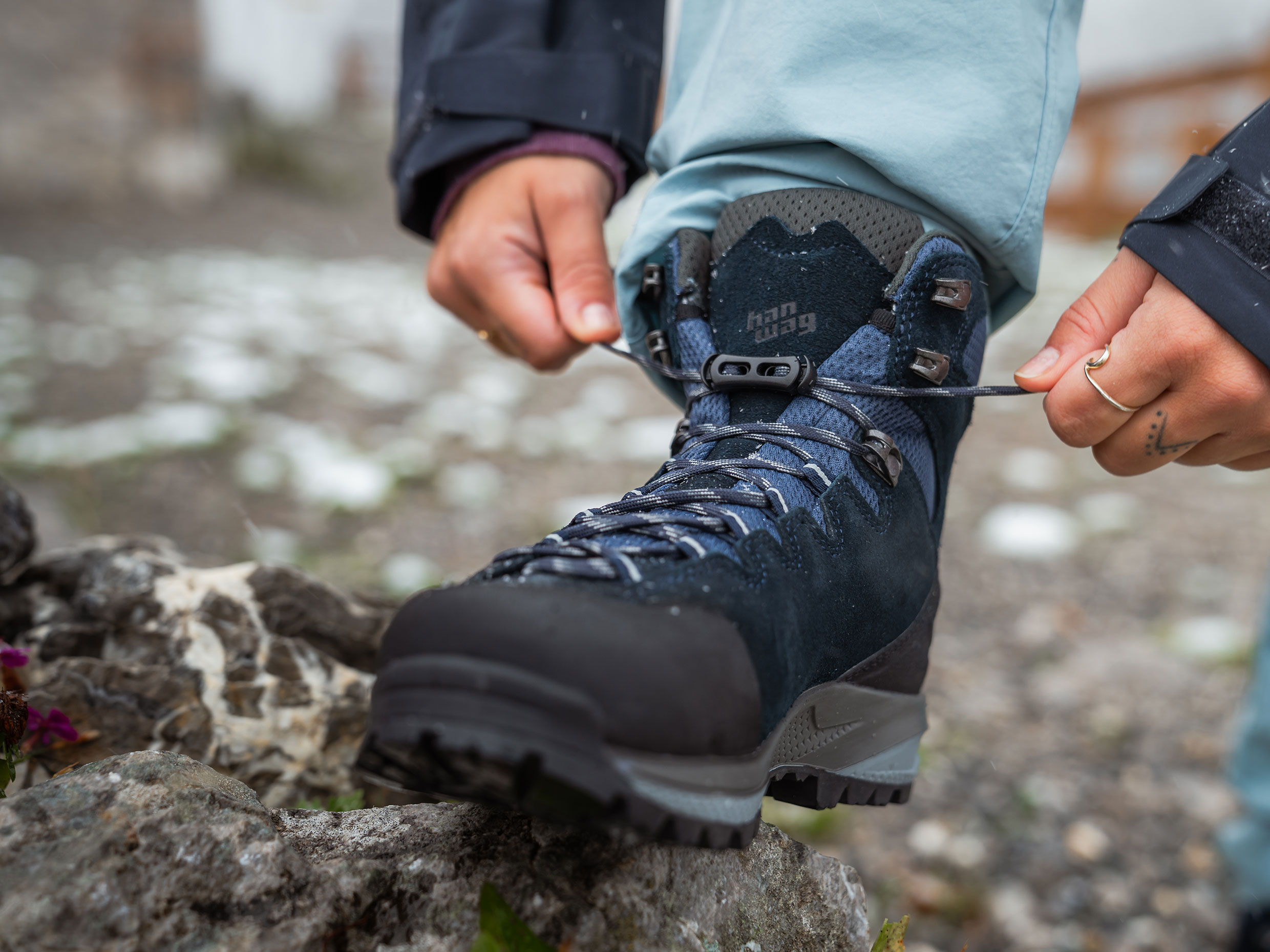
Store boots in a cool, dry place after use. Avoid damp areas that cause mold or mildew. Keep boots upright to maintain their shape. Do not crush or fold them.
Proper storage extends boot life and comfort. It also makes your boots ready for the next adventure. Clean and dry boots store best for long periods.
Credit: stories.hanwag.com
When To Seek Professional Help
Breaking in hiking boots can be simple for many hikers. Some boots soften with time and use. Sometimes, boots feel tight or cause pain. This can stop your hiking plans. Knowing when to seek professional help saves discomfort and injury. Experts can offer solutions that regular breaking in cannot.
Custom Orthotics
Custom orthotics are shoe inserts made just for your feet. They fix foot problems that cause pain or pressure. Orthotics help balance your feet inside the boots. This reduces blisters and foot fatigue. A foot specialist measures your feet and makes the perfect fit. This option suits hikers with flat feet or high arches.
Professional Stretching Services
Professional stretching services loosen tight boots safely. Experts use tools to stretch leather or stiff areas. This creates more space without damaging the boot. Stretching targets spots causing blisters or pinching. This service is best for boots that feel too narrow or tight. It makes boots comfortable faster than breaking them in alone.

Credit: www.youtube.com
Frequently Asked Questions
How Long Does It Take To Break In Hiking Boots?
Breaking in hiking boots usually takes 1 to 2 weeks of regular wear. Gradual use helps soften the materials and shape the boots to your feet. Avoid rushing to prevent blisters and discomfort during hikes.
What Are The Best Methods To Break In Hiking Boots?
Wear your boots indoors and on short walks first. Use thick hiking socks and gradually increase wear time. Applying leather conditioner can also soften leather boots for faster break-in.
Can I Break In Hiking Boots Without Hiking?
Yes, you can break in boots by wearing them around the house. Walking on carpeted surfaces reduces pressure and speeds up the molding process. Avoid outdoor use until they feel comfortable.
Should I Use Socks To Break In Hiking Boots?
Always wear the socks you plan to hike in when breaking in boots. Thick, moisture-wicking socks protect your feet and help the boots conform properly. Socks reduce friction and prevent blisters.
Conclusion
Breaking in hiking boots takes time and patience. Start with short walks to soften the material. Wear thick socks to protect your feet. Use heat or moisture methods carefully to avoid damage. Listen to your feet and stop if pain occurs.
Well-broken boots feel comfortable and support your hikes. Enjoy your adventures with boots that fit right. Keep practicing these steps for the best results. Your feet will thank you on every trail.