
Is your camping stove acting up just when you need it most? You’re not alone, and fixing it might be easier than you think.
Imagine sitting by the fire, ready to enjoy a hot meal, only to find your stove won’t light or keeps going out. Frustrating, right? But don’t worry—this guide will walk you through simple, effective steps to get your stove working again quickly.
By the end, you’ll feel confident handling common stove problems and be ready to cook anywhere, anytime. Keep reading to discover how to fix your camping stove and never miss a warm meal on your outdoor trips again.
Credit: www.youtube.com
Common Stove Issues
Camping stoves often face common problems that stop them from working well. These problems can make cooking outdoors hard and frustrating. Knowing what issues to expect helps fix your stove fast. Here are some typical stove issues and how they show up.
Fuel Flow Problems
Fuel flow problems happen when gas or liquid fuel does not reach the burner. Dirt or blockages in the fuel line can cause this. Another cause is low fuel pressure, which makes the flame weak or stop. Cleaning the fuel line or checking the fuel tank often solves the issue.
Ignition Failures
Ignition failures occur when the stove does not light at all. The spark may be weak or missing. This can happen due to a dirty igniter or dead batteries in electronic ignitions. Cleaning the igniter tip or replacing batteries often restores the spark.
Uneven Flame
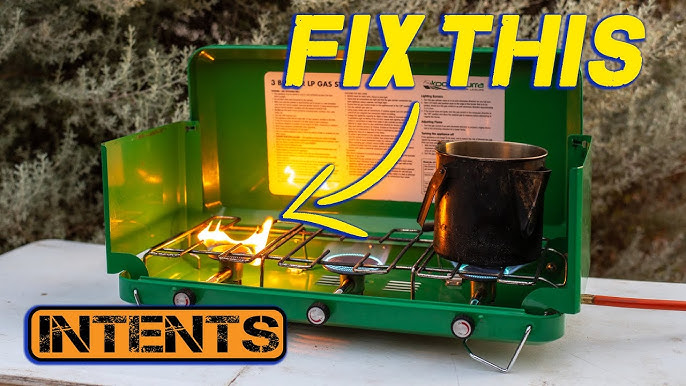
An uneven flame burns too much on one side or flickers. This problem may come from clogged burner holes or dirt buildup. It wastes fuel and makes cooking uneven. Cleaning the burner carefully usually fixes the flame pattern.
Leaks And Cracks
Leaks or cracks in the fuel line or stove body are dangerous. They cause fuel to escape and may start fires. Check the stove for any damage before use. Replace cracked parts or seals to keep the stove safe and working well.

Credit: www.reddit.com
Basic Tools Needed
Fixing a camping stove requires some basic tools. These tools help you open, clean, and replace parts. Having the right tools saves time and effort. It also prevents damage to your stove. Here is a list of essential tools for stove repair.
Wrenches And Screwdrivers
Wrenches help loosen and tighten nuts and bolts. You may need adjustable or fixed-size wrenches. Screwdrivers come in two main types: flathead and Phillips. Both types are useful for removing screws on your stove. Choose screwdrivers with comfortable handles for better grip.
Cleaning Brushes
Cleaning brushes remove dirt and soot from stove parts. Use small brushes for narrow areas and larger ones for bigger parts. Brass or nylon bristles work well without damaging metal surfaces. Keep brushes clean to avoid spreading dirt inside the stove.
Replacement Parts
Some parts wear out or break over time. Common replacements include fuel lines, gaskets, and burner jets. Always carry spare parts during camping trips. Having these parts ready helps fix your stove quickly. Buy parts that fit your stove model for best results.
Fixing Fuel Flow
Fixing fuel flow is key to getting your camping stove working again. Fuel must move freely from the tank to the burner. Any block or damage can stop the stove from lighting or staying on. This section shows simple steps to check and fix fuel flow issues.
Checking Fuel Lines
Start by inspecting the fuel lines for cracks or leaks. Look closely for any holes or wear spots. Gently squeeze the lines to see if fuel moves inside. If the lines feel hard or brittle, they need replacing. Keep fuel lines clear and intact for safe stove use.
Clearing Blockages
Blockages stop fuel from reaching the burner. Remove the fuel line and blow air through it to clear dirt. Use a thin wire or needle to clean small holes. Avoid using too much force, as it can damage parts. Regular cleaning helps keep fuel flowing smoothly.
Replacing Fuel Filters
Fuel filters trap dirt before it reaches the stove. Over time, they get clogged and reduce fuel flow. Locate the filter, usually near the fuel tank or line. Replace it with a new filter made for your stove model. Clean filters improve stove performance and safety.

Credit: www.amazon.com
Repairing Ignition
Fixing the ignition of a camping stove is a common task for outdoor enthusiasts. A stove that won’t light can spoil your trip. Understanding the ignition system helps you fix it fast. This section covers easy steps to repair spark and piezo igniters. You will also learn manual ways to start your stove safely.
Cleaning Spark Igniters
Sparks come from a small metal tip. Dirt or grease can block the spark. Use a soft brush or cloth to clean the tip gently. Remove any debris around the igniter. Avoid using water directly on the igniter. Cleaning helps restore the spark’s strength and reliability.
Adjusting Piezo Igniters
Piezo igniters create a small electric charge. Sometimes the button gets loose or misaligned. Check if the igniter clicks when pressed. Tighten any loose screws carefully. Align the igniter so the spark hits the burner area. Proper adjustment makes lighting easier and safer.
Manual Ignition Techniques
Manual ignition is useful if the igniter fails. Use a long match or lighter. Hold the flame near the burner’s gas outlet. Turn on the gas slowly to avoid flare-ups. Keep your hand steady and away from the flame. This method ensures you can cook even without an igniter.
Adjusting Flame Quality
Adjusting flame quality is key to a well-working camping stove. A good flame burns evenly and stays steady. It helps cook food faster and saves fuel. Poor flame quality can cause uneven heat or make the stove unsafe. Fixing flame problems often starts with simple checks and small repairs.
Cleaning Burner Jets
Burner jets can get clogged with dirt or food bits. This blocks gas flow and weakens the flame. Use a thin needle or pin to clear the jet holes. Avoid using too much force to prevent damage. Clean jets make the flame strong and steady again.
Regulating Air Mix
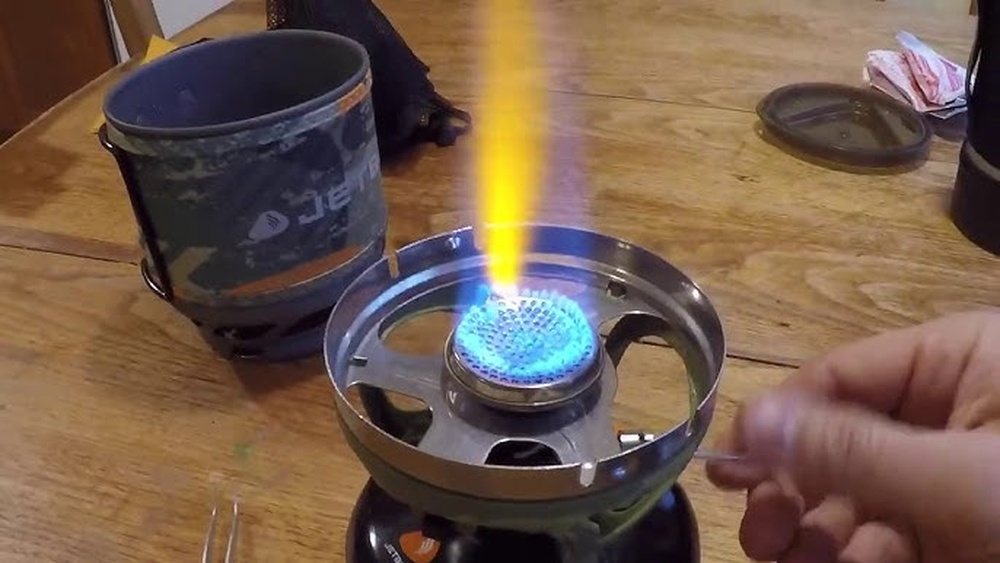
Air mixes with gas to create the flame. Too much or too little air affects flame color and heat. Adjust the air valve or air shutter near the burner. A blue flame shows good air mix. Yellow or orange flames mean poor air mix. Adjusting air improves flame quality and stove efficiency.
Replacing Damaged Parts
Old or broken parts can stop the flame from working well. Check for cracks, rust, or worn-out pieces. Replace damaged burner jets, valves, or seals. Use parts made for your stove model. New parts bring back strong, safe flames and better cooking.
Fixing Leaks And Cracks
Fixing leaks and cracks in a camping stove is crucial for safe and efficient use. Small leaks can waste fuel and cause dangerous flare-ups. Cracks can weaken the stove’s structure and stop it from working well. Taking time to repair these issues ensures a longer stove life and better camping experiences.
Identifying Leak Sources
Start by checking all connections and joints. Smell for gas or use soapy water to spot bubbles at leaks. Look carefully at fuel lines, valves, and the stove body. Tiny cracks or holes often cause leaks. Inspect seals and O-rings for damage too. Pinpointing leaks early prevents bigger problems later.
Using Sealants Safely
Use only sealants made for camping stoves or fuel systems. Apply a small amount to the leak area. Avoid overuse to prevent clogging fuel flow. Let the sealant dry fully before testing the stove. Never use regular glue or tape, as these can catch fire or fail. Follow product instructions carefully for best results.
Replacing Damaged Components
Replace parts that have large cracks or holes. Fuel hoses, valves, and seals wear out over time. Use manufacturer-approved replacements for safety. Turn off and disconnect the stove before repairs. Check the stove’s manual for part numbers. Proper replacement keeps your stove reliable and safe on every trip.
Preventive Maintenance
Preventive maintenance keeps your camping stove working well and safe. It helps avoid problems during your trips. Small efforts before and after use save time and money. Follow these simple steps to extend your stove’s life and enjoy cooking outdoors.
Regular Cleaning Tips
Clean your stove after every use. Remove food crumbs and grease to prevent blockages. Use a soft brush or cloth for delicate parts. Avoid harsh chemicals that can damage the stove. Clean the burner holes carefully to keep flames even.
Proper Storage Practices
Store your stove in a dry place to stop rust. Keep it in its case or a sealed bag. Avoid storing near strong smells or chemicals. Make sure the stove is cool and dry before packing it away. Proper storage stops dirt buildup and damage.
Routine Inspections
Check your stove before each trip. Look for cracks, leaks, or loose parts. Test the fuel lines and connections for safety. Replace worn or broken parts quickly. Regular inspections catch problems early and keep you safe.
When To Seek Professional Help
Knowing when to seek professional help can save time and keep you safe. Some camping stove problems are simple to fix. Others need expert skills and tools. Recognizing the signs helps protect you and your stove.
Complex Repairs
Some repairs require special knowledge. Fixing gas leaks or replacing internal parts can be tricky. Professionals have the right tools and training. Attempting these repairs alone may cause more damage.
Safety Concerns
Stoves use flammable fuel. Small mistakes can lead to fires or explosions. If you smell gas or see damage, stop using the stove. Contact a professional to avoid risk.
Warranty And Service Options
Many stoves come with warranties. Repairing your stove yourself might void the warranty. Check the warranty terms before fixing it. Authorized service centers can fix your stove without voiding coverage.
Frequently Asked Questions
How Do I Clean A Camping Stove Burner?
To clean a camping stove burner, first turn off and cool the stove. Remove the burner and soak it in warm, soapy water. Use a soft brush to clear debris from holes. Rinse, dry thoroughly, and reassemble for proper flame function.
Why Is My Camping Stove Not Lighting?
If your camping stove won’t light, check the fuel supply and connections. Clean clogged burners or jets with a pin. Ensure the igniter works or use matches. Proper maintenance prevents lighting issues and ensures safe stove operation.
How Can I Fix Low Flame On A Camping Stove?
Low flame often results from clogged jets or low fuel pressure. Clean the jets with a needle to remove blockages. Check fuel levels and connections for leaks. Adjust the regulator if available to restore proper flame intensity.
What Safety Tips Should I Follow When Fixing A Camping Stove?
Always fix your camping stove outdoors or in a well-ventilated area. Turn off fuel before repairs. Avoid open flames during maintenance. Use proper tools and wear gloves. Inspect for leaks before use to ensure safe operation.
Conclusion
Fixing a camping stove can save your trip and money. Small problems often have simple solutions. Check fuel, clean parts, and tighten connections. Keep tools handy for quick fixes outdoors. Regular maintenance helps prevent future issues. Enjoy cooking safely on your next adventure.
Stay prepared, stay confident, and keep exploring.