

Are you tired of struggling to start a fire, especially when you need it most? Imagine having a simple, reliable way to get your fire going quickly every time.
Making fire starters with sawdust is an easy and effective solution you can create right at home. You’ll discover step-by-step how to turn everyday sawdust into powerful fire starters that burn longer and ignite faster. Keep reading, and you’ll never worry about lighting a fire again—whether for camping, your fireplace, or emergency situations.
Materials Needed
Before making fire starters with sawdust, gather the right materials. Using the proper items makes the process easier and the starters more effective. The main material is sawdust, but other supplies help bind and ignite the mixture.
Types Of Sawdust
Choose dry sawdust for the best results. Softwood sawdust, like pine or cedar, lights quickly and burns well. Hardwood sawdust, such as oak or maple, burns longer but takes more time to ignite. Avoid sawdust from treated or painted wood. It can release harmful fumes when burned.
Additional Supplies
Besides sawdust, you need a binder to hold the fire starters together. Wax, like old candle wax or paraffin, works well. You also need a container to melt the wax safely. A double boiler or microwave-safe bowl works fine. Use paper egg cartons or small molds to shape the starters. Finally, have a spoon or stick for stirring the melted wax and sawdust mix.

Credit: www.youtube.com
Preparing Sawdust
Preparing sawdust is a key step in making effective fire starters. Clean and dry sawdust burns better and catches fire faster. Taking time to prepare sawdust properly helps create reliable fire starters. Below are important tips for preparing sawdust.
Sifting And Drying
Sift sawdust to remove large wood chips and debris. Fine sawdust lights easier and burns evenly. Use a mesh screen or sieve for sifting.
Dry sawdust thoroughly before use. Moist sawdust slows ignition and creates smoke. Spread sawdust on a tray in sunlight or use a low heat oven.
Choosing The Right Texture
Choose sawdust with a medium to fine texture. Too coarse sawdust burns slowly and unevenly. Too fine sawdust can clump and be hard to handle.
Test a small amount by lighting it. Good sawdust ignites quickly and produces steady flames. Texture affects how well your fire starters work.
Mixing Ingredients
Mixing ingredients is a key step in making fire starters with sawdust. The right mix holds the sawdust together and helps it catch fire easily. You need a binder to combine the sawdust into firm shapes. Some binders burn well and help the fire starter last longer. Choosing the best binder depends on what you have and your needs.
Using Wax
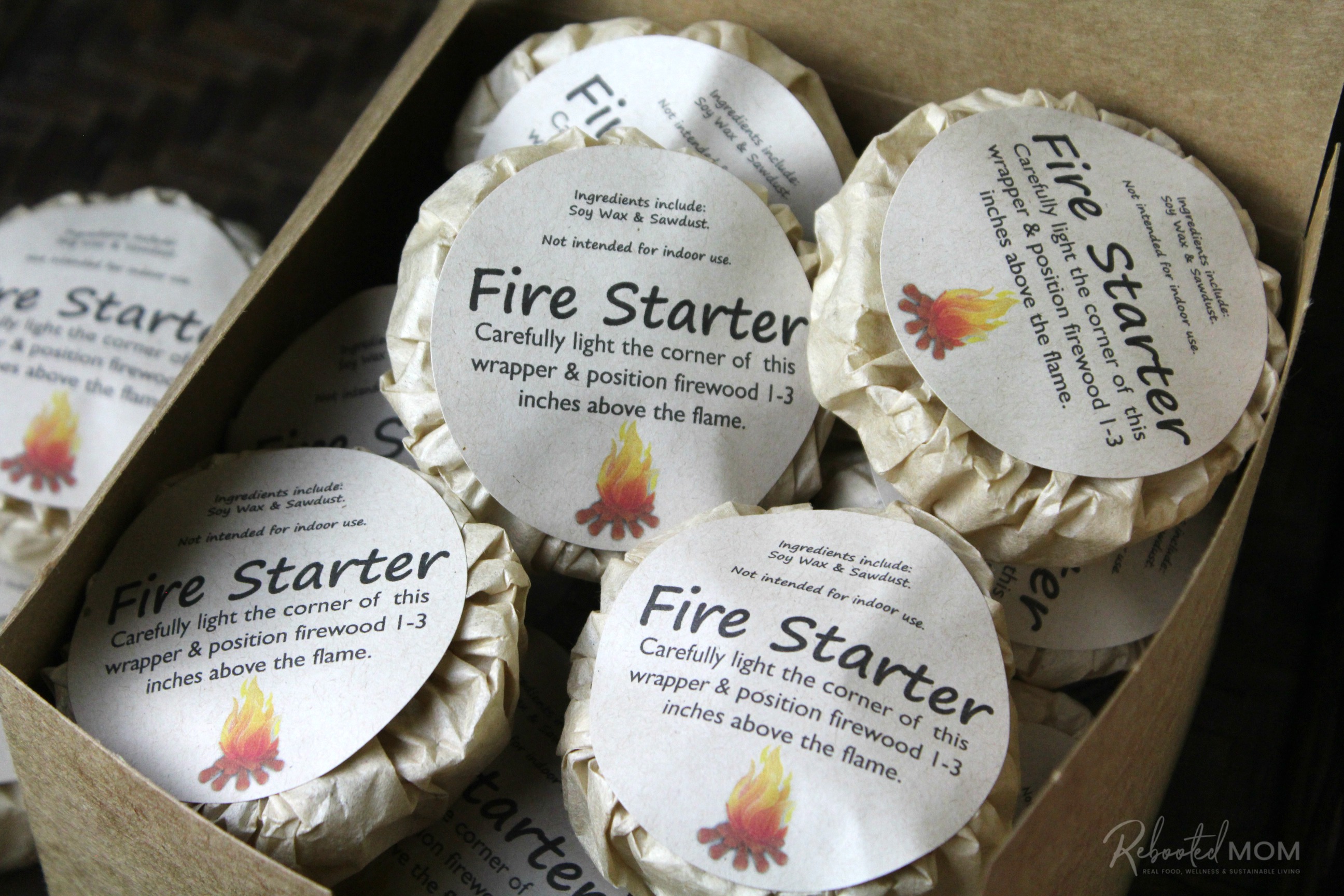
Wax is a popular choice for binding sawdust. It melts easily and coats the sawdust particles. This coating helps the fire starter burn slowly and evenly. Paraffin wax is common and melts at a low temperature. You can melt it in a double boiler safely. Mix the sawdust with melted wax until fully coated. Pour the mix into molds or shape by hand. Let it cool and harden. Wax fire starters light quickly and burn well.
Alternative Binders
Not everyone has wax on hand. Other binders work well too. Natural options include peanut butter, egg yolk, or flour mixed with water. Peanut butter is sticky and flammable. Egg yolk dries hard and holds sawdust firmly. Flour and water create a paste that binds after drying. These options are easy to find and safe to use. Test small batches to see which works best for you.
Credit: www.rebootedmom.com
Forming Fire Starters
Forming fire starters is an easy step that shapes your sawdust mixture. It helps the fire starters burn evenly and last longer. You need a mold to give the right shape and size. This part of the process can be simple or creative, depending on what molds you use.
Molding Techniques
Press the sawdust mixture firmly into your mold. Use your hands or a small tool to compact it well. Compacting removes air pockets and keeps the fire starter solid. Let the mixture dry a little before removing it from the mold. This prevents breaking or crumbling. You can make small blocks or flat discs. Both shapes work well to start fires quickly.
Using Egg Cartons Or Silicone Molds
Egg cartons are a popular choice for molds. Cut the carton into single cups to hold the mixture. Fill each cup with sawdust mixture and press it down tight. Let them dry fully before use. Silicone molds work similarly and are reusable. They come in many fun shapes and sizes. Silicone molds make removing fire starters easy. Both options are cheap and easy to find. Choose a mold that fits your fire-starting needs best.
Drying And Curing
Drying and curing are key steps in making fire starters with sawdust. These steps help remove moisture and improve burning quality. Proper drying ensures the fire starters light quickly and burn longer. Curing strengthens the mixture and makes it more durable for storage.
Optimal Drying Conditions
Keep sawdust fire starters in a warm, dry place. Good airflow helps moisture escape fast. Avoid direct sunlight, which can dry unevenly. A temperature around 70°F (21°C) is ideal. Turn the fire starters regularly for even drying. Drying time usually takes 24 to 48 hours. Check for dryness by feeling the texture; it should be firm and crumbly.
Storage Tips
Store dried fire starters in a sealed container. Use airtight jars or plastic bags to keep moisture out. Place the container in a cool, dry spot away from dampness. Avoid storing near heat sources to prevent melting or damage. Label the container with the date for easy tracking. Proper storage keeps fire starters ready for use anytime.
Lighting And Using Fire Starters
Lighting and using fire starters made from sawdust is simple and effective. These fire starters help ignite fires quickly in fireplaces or campfires. Proper use ensures safety and a steady flame. Follow the steps below for best results.
Safe Ignition Methods
Place the sawdust fire starter under dry kindling. Use a long match or lighter to ignite it. Light the edge of the fire starter, not the middle. This helps the fire spread slowly and safely. Keep hands and face away from the flame. Always have water or a fire extinguisher nearby. Never light fire starters near flammable liquids or materials.
Best Practices For Campfires And Fireplaces
Build a small pile of dry wood on top of the fire starter. Arrange the wood loosely for good air flow. Avoid overcrowding the fire area. Light the fire starter first, then add more wood as the fire grows. Keep the fire small and controlled, especially in fireplaces. For campfires, clear the area around the fire from leaves and debris. Always watch the fire until it is fully out before leaving the area.
Troubleshooting Common Issues
Troubleshooting common issues helps improve your fire starters. Small problems can stop them from lighting well or holding together. Fixing these issues makes your fire starters work better every time.
Fire Starters Not Lighting Easily
Sometimes fire starters take too long to catch fire. This happens if the sawdust is too wet or packed too tightly. Use dry sawdust for better results. Avoid compressing the mixture too much. Also, ensure the wax is evenly mixed with sawdust. Try lighting with a match near the edge of the fire starter. This gives air to help it catch fire.
Wax Separation Problems
Wax can separate from sawdust during cooling or storage. This makes the fire starter crumbly and weak. Stir the wax and sawdust mixture well before pouring. Melt the wax gently and do not overheat it. Cool the fire starters slowly at room temperature. Store them in a dry place away from heat. This keeps the wax and sawdust bonded and strong.
Eco-friendly Benefits
Making fire starters with sawdust helps the planet. It uses materials that might otherwise be thrown away. This method saves resources and lowers pollution. It also supports a cleaner environment for future generations.
Recycling Sawdust
Sawdust is a byproduct of woodworking. Many people see it as waste. Recycling sawdust turns it into useful fire starters. This process gives new life to old materials. It cuts down the need for new resources. Using recycled sawdust helps protect forests.
Reducing Waste
Throwing away sawdust adds to landfill problems. Making fire starters reduces this waste. It keeps sawdust out of dumps and burns it safely. This method lowers the amount of trash created. Less waste means a cleaner, healthier environment for all.

Credit: www.coltercousa.com
Frequently Asked Questions
What Materials Are Needed To Make Sawdust Fire Starters?
To make sawdust fire starters, you need sawdust, wax, and a mold. Optional materials include dryer lint or wood shavings. These components help create a compact, flammable fire starter for easy ignition.
How Do Sawdust Fire Starters Ignite A Fire Quickly?
Sawdust fire starters ignite quickly because sawdust has a large surface area. Combined with wax, it burns steadily and produces enough heat to ignite kindling and larger wood pieces efficiently.
Can I Use Any Type Of Wax For Fire Starters?
Yes, you can use paraffin, beeswax, or old candle wax. Each type melts easily and binds sawdust effectively, creating reliable fire starters that burn clean and long.
Are Sawdust Fire Starters Safe For Indoor Use?
Yes, sawdust fire starters are safe indoors when used correctly. Always ensure proper ventilation, never leave fires unattended, and use them with appropriate fire safety measures.
Conclusion
Making fire starters with sawdust is simple and cost-effective. You only need a few common materials. These starters help light fires quickly and safely. They work well for camping or home use. Sawdust fire starters also reduce waste by using leftover wood bits.
Try making them yourself to see how easy and useful they are. A small effort can make fire-building much easier. Give it a try next time you need fire quickly and easily.