

Struggling to light a fire quickly and easily? You’re not alone.
Whether you’re camping, having a backyard barbecue, or preparing for emergencies, knowing how to make fire starters can save you time and frustration. Imagine having a reliable way to ignite your fire every single time, with materials you can find around your home.
In this guide, you’ll discover simple, effective methods to create your own fire starters that work even when conditions are tough. Ready to master this skill and never struggle with fire again? Keep reading, and you’ll learn exactly how to do it.
Credit: www.candlescience.com
Materials Needed
Gathering the right materials is the first step to making effective fire starters. You need simple items that are easy to find and safe to use. The materials fall into three main groups: natural ingredients, household items, and safety gear. Each group plays a key role in creating fire starters that light quickly and burn well.
Natural Ingredients
Natural ingredients work best for fire starters. Dry leaves, pine needles, and small twigs catch fire fast. Cotton balls soaked in wax also burn slowly and steadily. Wood shavings or sawdust mixed with wax provide extra fuel. These materials are easy to collect outdoors or buy at craft stores.
Household Items
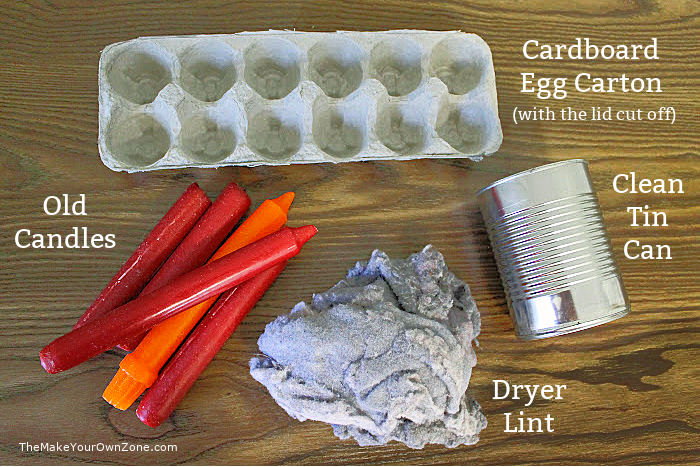
Household items make fire starters convenient and affordable. Paper egg cartons hold the starter mixture well. Candle wax or old crayons melt to bind materials together. Cardboard pieces or toilet paper rolls offer structure. These items recycle common waste and reduce costs.
Safety Gear
Safety gear protects you during the process. Gloves keep your hands safe from hot wax or sharp objects. A mask prevents inhaling dust or fumes. Use a well-ventilated space to avoid smoke buildup. Always keep water or a fire extinguisher nearby for emergencies.
Simple Fire Starter Recipes
Simple fire starter recipes make lighting a fire easy and quick. These methods use common items you can find at home or outdoors. Each recipe is safe and effective for camping or emergency kits. You only need a few materials and little effort to create a reliable fire starter.
Cotton Balls And Vaseline
Take some cotton balls and coat them with petroleum jelly. The Vaseline helps the cotton burn longer and catch fire easily. Store these balls in a small container or zip-lock bag. To use, pull apart a ball and light the fibers. This starter works great even in damp weather.
Egg Carton Method
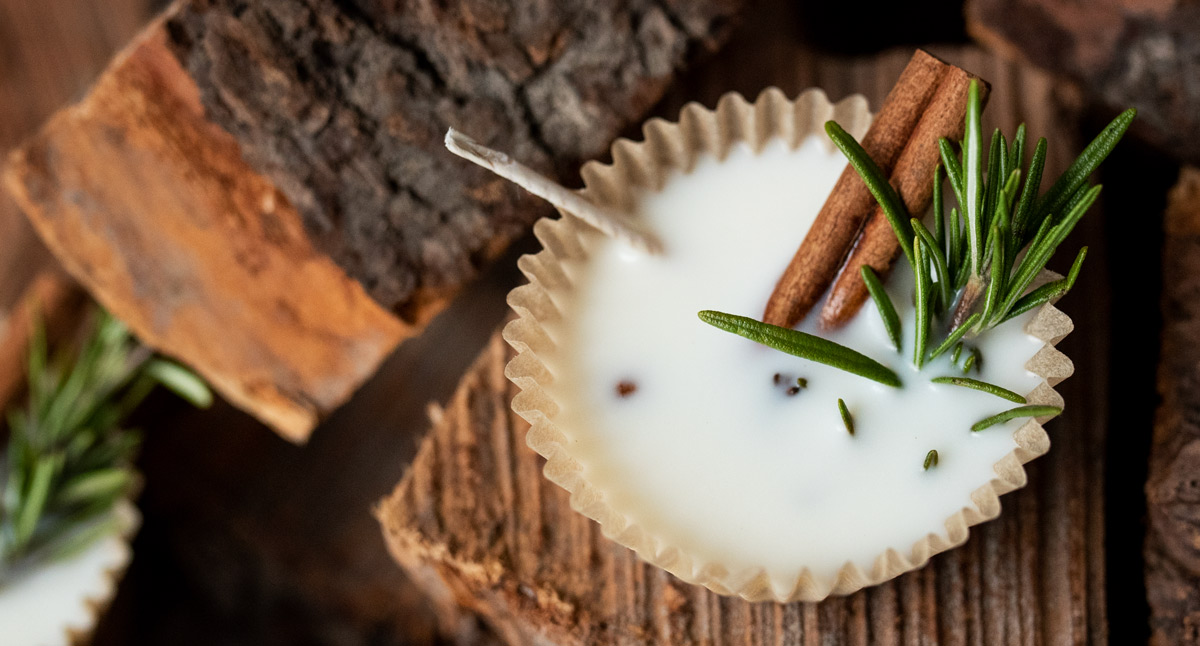
Cut an egg carton into single cups. Fill each cup with dryer lint or sawdust. Pour melted wax over the filling until it is soaked. Let the wax harden completely. These cups burn slowly and are easy to carry. Tear off one cup to start your fire.
Pine Cone Starters
Collect dry pine cones from the ground. Dip them in melted wax or cover them with cooking oil. Let the wax or oil soak in and dry. Pine cones burn well and create a strong flame. They make a natural and eco-friendly fire starter.
Step-by-step Guide
Making fire starters at home is simple and useful. This guide breaks down the process into clear steps. Follow these easy instructions to create reliable fire starters. Prepare your materials, assemble the starters, and learn how to store them properly. Let’s start the journey to better fire building.
Preparing The Materials
Gather all needed items before you start. You will need cotton balls, wax, and a container to melt wax. Use old candles or paraffin wax for melting. Have a spoon or stick to stir the wax. Prepare a tray or paper for placing fire starters. Keep materials close to save time.
Assembling The Fire Starters
Dip cotton balls into melted wax carefully. Use tweezers or a fork to hold the cotton balls. Make sure they are fully coated but not dripping. Place coated cotton balls on the tray to dry. Let them cool for at least 30 minutes. This step makes them burn longer and easier.
Storage Tips
Store fire starters in a dry, cool place. Use a sealed container to keep moisture out. Avoid storing near heat sources or open flames. Label the container for easy access. Check them before use to ensure they are dry. Proper storage keeps fire starters ready and safe.
Credit: www.themakeyourownzone.com
Tips For Quick Flames
Getting a fire started quickly makes outdoor activities more fun and less frustrating. Using fire starters properly can save time and effort. Small changes in preparation and technique lead to faster flames. Focus on drying, ignition, and avoiding errors for best results.
Optimal Drying Time
Dry fire starters light faster and burn better. Let them dry fully before use. This usually takes at least 24 hours. Store them in a warm, dry place. Avoid using damp or wet materials. Proper drying prevents smoke and slow ignition.
Best Ignition Techniques
Light the fire starter at its edge for quick flames. Use a match or lighter with a steady flame. Hold the flame until you see a steady burn. Place the starter under small kindling for easy spread. Avoid blowing on it too early. Let it grow naturally.
Avoiding Common Mistakes
Do not pack fire starters too tightly. Air helps flames grow faster. Avoid using green or wet wood nearby. It slows the fire down. Don’t use too much fire starter at once. Small amounts catch fire more easily. Keep safety in mind to prevent accidents.
Uses For Diy Fire Starters
DIY fire starters are useful tools for many activities. They help start fires quickly and safely. You can make these fire starters at home with simple materials. Their uses go beyond just lighting a campfire.
They are handy in different situations where fire is needed. Carrying your own fire starters ensures you always have a reliable way to ignite flames. Let’s explore some common uses for DIY fire starters.
Camping And Outdoor Fires
DIY fire starters are perfect for camping trips. They help light campfires even in damp weather. Easy ignition means less struggle and more time enjoying nature. They burn longer than paper or twigs. This helps start the main fire quickly. Great for cooking, warmth, and light outdoors.
Emergency Preparedness
Keep DIY fire starters in your emergency kit. They are vital during power outages or natural disasters. Reliable fire starters provide heat and light when needed. They burn safely and can ignite wet wood. Ideal for survival situations or roadside emergencies. A small item that makes a big difference.
Home Fireplace Use
Use DIY fire starters to light your home fireplace easily. They reduce the need for kindling or lighter fluid. These starters burn clean and produce steady flame. Safe to use around indoor fireplaces. They help start fires faster on cold days. A simple way to enjoy a cozy fire at home.
Safety Precautions
Making fire starters can be fun and useful. Safety must come first. Fire and flammable materials can be dangerous. Taking the right steps keeps you and others safe. This section explains important safety rules to follow.
Handling Flammable Materials
Always handle flammable materials with care. Keep them away from open flames and sparks. Use gloves to protect your skin. Work in a well-ventilated area to avoid fumes. Never smoke near flammable items. Measure materials carefully to avoid spills. Clean up spills immediately and safely.
Safe Storage Practices
Store fire starters in a cool, dry place. Use airtight containers to prevent moisture. Keep containers away from heat sources. Label each container clearly to avoid confusion. Store out of reach of children and pets. Check containers regularly for damage or leaks. Dispose of old or damaged fire starters properly.
Fire Safety Measures
Keep a fire extinguisher nearby while working. Have a bucket of water or sand ready. Avoid making fire starters near flammable surfaces. Work on a non-flammable surface like metal or stone. Never leave fire starters unattended. Know the emergency number for your area. Practice caution and stay alert at all times.

Credit: ourdaysoutside.com
Frequently Asked Questions
What Materials Are Best For Homemade Fire Starters?
The best materials include dryer lint, wax, cardboard, and cotton balls. These ignite quickly and burn steadily, making fire starting easier and efficient.
How Do You Safely Make Fire Starters At Home?
Melt wax carefully using a double boiler. Soak natural materials like lint or cotton balls in wax. Let them cool on wax paper before use.
Can Fire Starters Be Made From Recycled Household Items?
Yes, items like egg cartons, paper tubes, and candle stubs work well. They are eco-friendly and cost-effective for making reliable fire starters.
How Long Do Homemade Fire Starters Burn?
Homemade fire starters typically burn for 5 to 10 minutes. This is enough time to ignite kindling and larger firewood effectively.
Conclusion
Making fire starters is simple and useful. You can use easy materials found at home. These starters help light fires faster and safer. Perfect for camping, emergencies, or cozy nights. Practice making them to get better and faster. Always keep fire safety in mind while using them.
Try different methods to see what works best. Enjoy the warmth and comfort fire starters bring.