
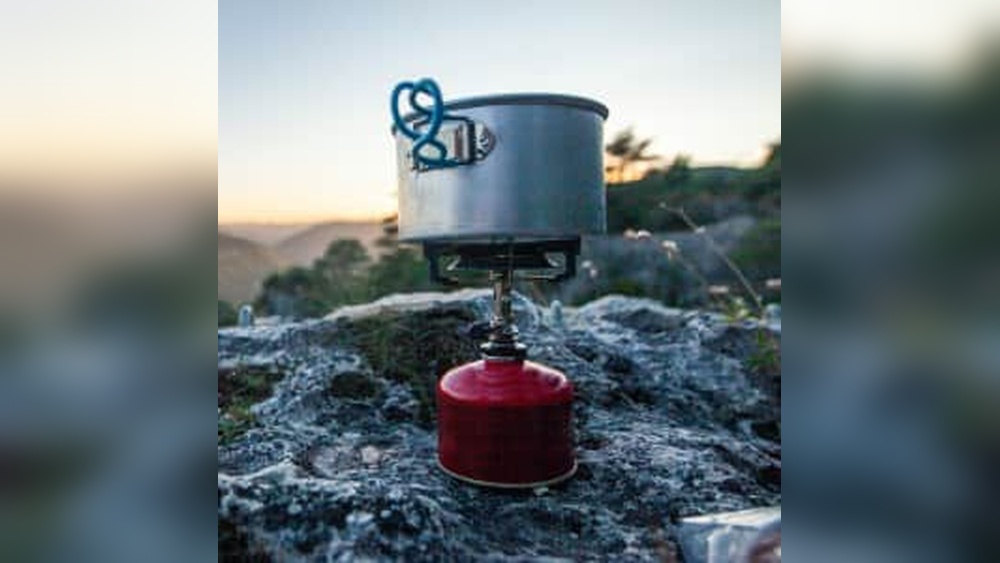
Imagine being out in nature, ready to enjoy a hot meal after a long day of adventure. But how do you make that happen without a full kitchen?
That’s where your camping stove comes in. If you’ve ever wondered how to use a camping stove safely and efficiently, you’re in the right place. This guide will walk you through every step, so you can cook your favorite meals with confidence and ease.
Keep reading, and soon you’ll master the simple skills that turn your outdoor trip into a delicious experience.

Credit: www.youtube.com
Choosing The Right Stove
Choosing the right camping stove is important for a good outdoor cooking experience. The right stove makes cooking easier and safer. It depends on how and where you plan to camp. Consider the types of stoves, the fuel they use, and how easy they are to carry.
Types Of Camping Stoves
There are three main types of camping stoves: canister, liquid fuel, and solid fuel stoves. Canister stoves use small gas canisters and are simple to use. Liquid fuel stoves work well in cold weather and high altitudes. Solid fuel stoves burn small fuel tablets and are very lightweight. Choose a type that fits your trip needs.
Fuel Options
Camping stoves use different fuels like propane, butane, white gas, or solid fuel tablets. Propane and butane are clean and easy to find. White gas burns well in cold and windy weather. Solid fuel tablets are compact and good for short trips. Pick a fuel type that is easy to carry and available where you camp.
Portability And Weight
Portability matters for backpackers and hikers. Small, lightweight stoves save space and reduce pack weight. Some stoves fold or break down into small parts for easy packing. If you travel by car, a heavier stove with more power works fine. Balance stove weight with your travel style and cooking needs.
Setting Up Your Stove
Setting up your camping stove correctly is important for safety and cooking success. Take your time to prepare the area and assemble the stove carefully. Follow simple steps to avoid problems and enjoy your outdoor meal.
Selecting A Safe Location
Choose a flat, stable surface to place your stove. Avoid dry grass, leaves, or anything flammable nearby. Pick a spot away from strong wind to keep the flame steady. Make sure the area is clear of tents and other gear.
Assembling The Stove
Start by unfolding or attaching the stove parts as shown in the manual. Connect the fuel canister or fuel source firmly. Check that all pieces fit tightly and the stove stands steady. Keep your hands clean and dry during assembly.
Checking For Leaks
Before lighting, check all connections for leaks. Apply soapy water on joints and watch for bubbles. Bubbles mean gas is escaping and must be fixed. Do not use the stove if you find leaks. Tighten parts or replace faulty pieces.
Operating The Stove Safely
Operating a camping stove safely is very important. Stoves use fire and fuel, which can be dangerous. Knowing how to handle the stove correctly helps avoid accidents. It also makes your cooking experience better and more enjoyable.
Follow simple safety steps every time you use your camping stove. Always check your stove and fuel before lighting. Make sure you are in a safe, open area away from flammable items. Keep children and pets at a distance while cooking.
Ignition Techniques
Start by reading the stove’s instructions carefully. Use the built-in ignition if available. If your stove needs a match or lighter, strike it away from your body. Light the stove slowly to avoid sudden flames. Never lean over the stove while lighting it.
Adjusting Flame Control
Turn the flame control knob gently. Use a low flame for simmering and a higher flame for boiling. Avoid very high flames to save fuel and prevent burns. Keep an eye on the flame size while cooking. Adjust the flame if wind affects it.
Handling Wind And Weather
Wind can make the flame unstable or blow it out. Use a windscreen or shield around your stove. Set up your stove in a sheltered spot if possible. Avoid cooking in heavy rain or snow to protect the stove and yourself. Always cool the stove before packing it away.

Credit: www.amazon.com
Cooking Tips For Camping
Cooking outdoors brings fun and a sense of adventure. Using a camping stove can make meals easy and tasty. Simple tips help you cook better and save fuel. These tips also keep your cooking safe and clean while camping.
Choosing Cookware
Pick lightweight pots and pans. Materials like aluminum or titanium heat up fast. Use cookware that fits your stove size. Avoid heavy items to carry less weight. Non-stick surfaces help with easy cooking and cleaning. Choose lids for pots to save heat and cook faster.
Efficient Cooking Methods
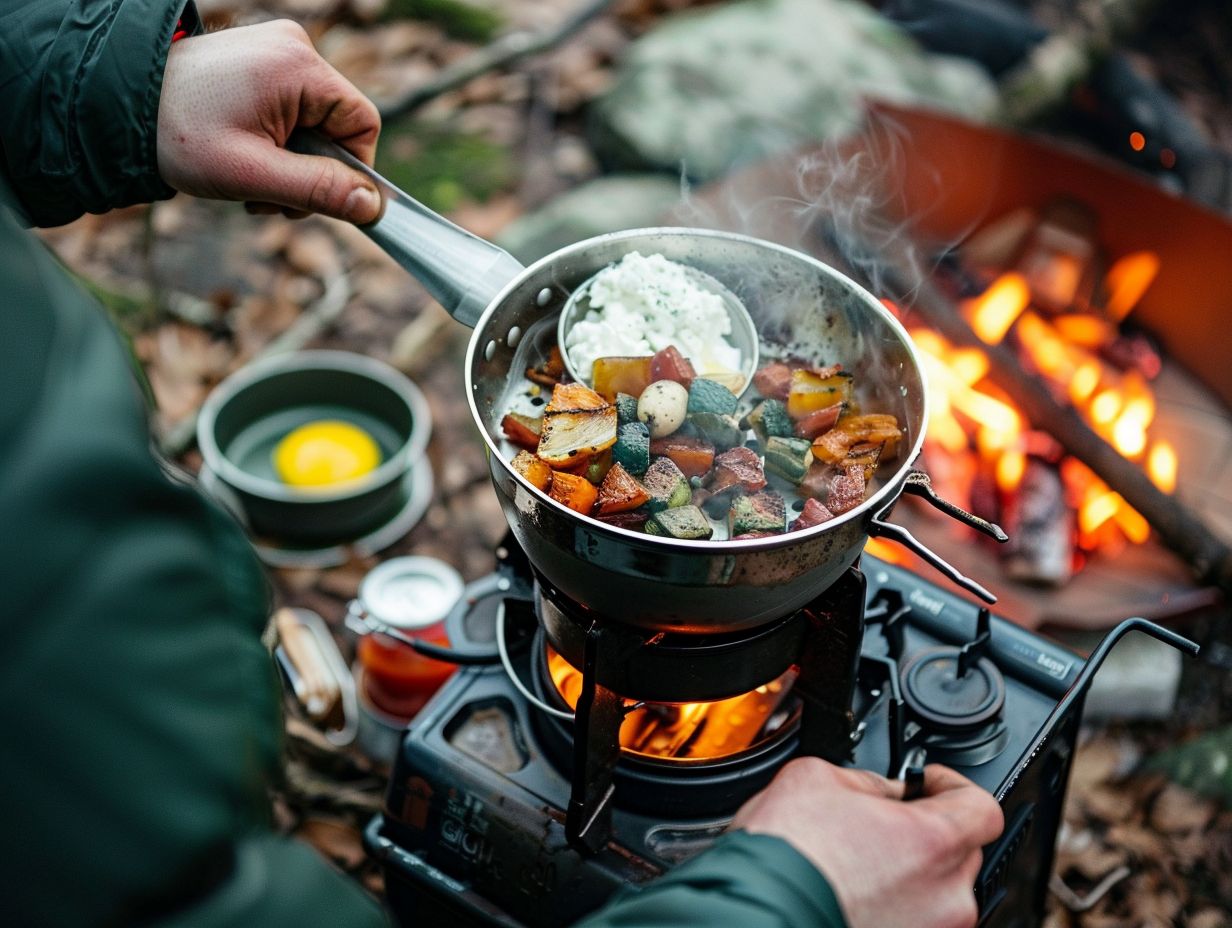
Cut food into small pieces for quick cooking. Use one pot meals to reduce dishes. Boil water before adding food to save time. Cook meals that need less fuel, like soups and stews. Cover pots to keep heat inside. Plan meals that cook evenly on a camping stove.
Cleaning While Camping
Clean cookware right after use to prevent stains. Use biodegradable soap and small water amounts. Scrub with a sponge or cloth to remove food bits. Dry pots and pans before packing to avoid rust. Keep cooking area tidy to prevent animals from coming close. Store clean cookware in a dry bag or container.
Stove Maintenance And Storage
Proper maintenance and storage keep your camping stove safe and ready. It extends the stove’s life and improves performance. Clean parts work better and prevent problems on your next trip.
Regular Cleaning
After each use, remove food crumbs and grease. Use a soft brush or cloth to clean the burner and stove surface. Check for clogged holes and clear them carefully. Avoid water inside the fuel line or burner. Let the stove dry completely before storing it.
Fuel Storage Tips
Store fuel canisters in a cool, dry place away from heat sources. Keep them upright to avoid leaks. Check expiration dates and use older fuel first. Never store fuel inside your tent or car cabin. Always follow the manufacturer’s safety advice for fuel storage.
Transporting Your Stove
Pack your stove in a sturdy case or bag to protect it. Keep all parts together, including fuel lines and connectors. Avoid placing heavy items on top of the stove. Handle fuel canisters carefully to prevent damage. Secure the stove in your vehicle to stop movement during travel.
Credit: theexpertcamper.co.uk
Emergency Precautions
Using a camping stove needs careful safety steps. Emergency precautions help stop accidents. They protect you and your camp. Knowing these steps makes your trip safer and more fun.
Fire Safety Measures
Keep the stove away from tents and dry grass. Always have water or a fire extinguisher nearby. Never leave the stove on without watching it. Use the stove on flat, stable ground. Turn off the stove right after cooking. These steps reduce fire risks.
Dealing With Fuel Spills
Clean spills quickly and carefully. Use a cloth to soak up fuel. Avoid lighting the stove until spills dry completely. Keep fuel bottles sealed and away from heat. Spills can cause fires and harm. Handle fuel with care every time.
What To Do In Case Of Malfunction
If the stove acts strange, turn it off immediately. Move the stove to a safe area. Do not try to fix it near fire. Check for leaks or damage once cool. Use a backup cooking method if needed. Safety first, always.
Frequently Asked Questions
What Type Of Fuel Is Best For Camping Stoves?
Camping stoves commonly use propane, butane, or liquid fuel. Propane is ideal for cold weather. Butane works well in mild temperatures. Liquid fuel suits longer trips and extreme conditions. Always choose fuel compatible with your stove model for safety and efficiency.
How Do I Safely Ignite A Camping Stove?
Place the stove on a stable, flat surface away from flammable materials. Open the fuel valve slightly and use a lighter or built-in ignition. Keep your face and hands clear while lighting. Always follow the manufacturer’s instructions for safe ignition.
Can I Use A Camping Stove Indoors?
Using a camping stove indoors is generally unsafe due to carbon monoxide risks. Always use it outdoors in well-ventilated areas. If indoor use is necessary, ensure proper ventilation and carbon monoxide detectors are present to avoid poisoning.
How Do I Clean And Maintain A Camping Stove?
Regularly clean burners and fuel lines to prevent clogs. Wipe the stove after each use to remove food residue. Check seals and connections for leaks before each trip. Proper maintenance extends stove life and ensures safe operation.
Conclusion
Using a camping stove makes cooking outdoors simple and fun. Always follow safety steps to avoid accidents. Keep your stove clean and check fuel levels before use. Practice lighting and adjusting the flame at home first. Remember to cook on stable, flat ground.
With these tips, enjoy warm meals on every trip. Camping stoves bring comfort and convenience to nature. Ready to cook your next adventure meal?