
If you love camping, you know how important a good stove is. The Coleman camping stove is a popular choice because it’s reliable and easy to use.
But if you’ve never used one before, it can feel a little tricky. Don’t worry—this guide will walk you through every step. By the end, you’ll feel confident cooking your favorite meals outdoors. Ready to make your camping trips tastier and more fun?
Let’s get started!

Credit: www.familyhandyman.com
Choosing The Right Coleman Stove
Choosing the right Coleman stove is key for a good camping experience. The perfect stove matches your cooking needs and travel plans. Consider the type, fuel, and size before buying. This helps you cook meals easily and safely outdoors.
Types Of Coleman Stoves
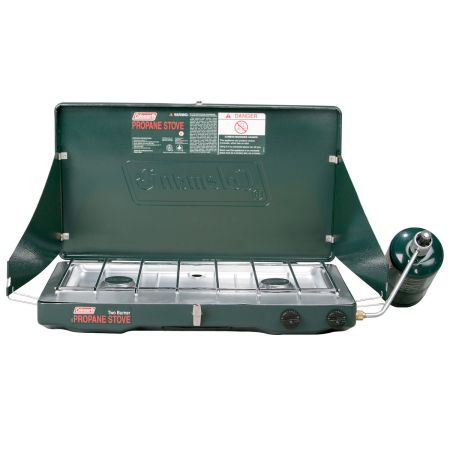
Coleman offers several stove types. Two-burner stoves are great for cooking many dishes at once. Single-burner stoves are compact and light, ideal for solo trips. Portable grills work well if you want to grill meat or veggies. Choose a type based on how you cook outdoors.
Fuel Options Explained
Coleman stoves use different fuels. Propane is common and easy to find. It lights quickly and stays clean. Liquid fuel stoves burn white gas and work well in cold weather. Some models use butane, which is light and compact. Pick a fuel type that fits your trip length and location.
Size And Portability Factors
Size affects how easy the stove is to carry. Small stoves fit in backpacks and weigh less. Larger stoves offer more cooking space but add weight. Think about your packing style and how much space you have. Portability matters if you hike or camp far from the car.
Setting Up Your Stove Safely
Setting up your Coleman camping stove safely is essential for a good cooking experience outdoors. Safety helps prevent accidents and ensures your stove works properly. Follow simple steps to prepare your stove before cooking. Take your time and be careful.
Selecting A Stable Surface
Choose a flat and firm surface for your stove. Avoid soft ground or uneven rocks that can tip the stove. A stable base keeps the stove steady and safe during use. Clear the area of leaves or dry grass to reduce fire risk.
Connecting The Fuel Source
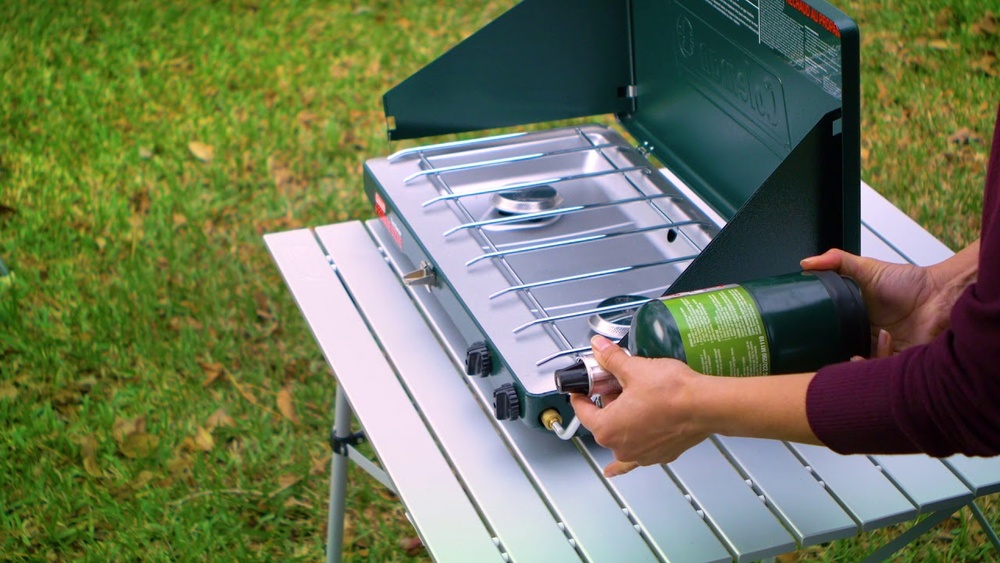
Attach the fuel canister or tank securely to the stove. Check the connection points for dirt or damage before attaching. Tighten the connection by hand until it feels snug. Do not use tools to force the connection, as this can cause leaks.
Checking For Leaks
After connecting fuel, check for leaks to avoid dangers. Apply soapy water to the connection points. Look for bubbles, which show gas escaping. If bubbles appear, tighten or reconnect the fuel source. Never use the stove if you detect leaks.
Lighting The Coleman Stove
Lighting the Coleman camping stove is the first step to enjoy a warm meal outdoors. It is simple and safe when done right. The stove has two ways to start: manual ignition and a built-in igniter. Understanding both helps you cook easily in any situation.
Manual Ignition Steps
First, open the fuel valve slightly. This allows gas to flow to the burner. Next, hold a long lighter or match near the burner. Turn the control knob to the “light” position. The gas will catch fire with the spark from the lighter. Keep the knob steady until the flame stays on. Adjust the flame size by turning the knob.
Using The Built-in Igniter
Open the fuel valve a little to release gas. Press the igniter button firmly. You will hear a clicking sound. The spark lights the gas automatically. If the flame does not start, try pressing the igniter again. Turn the control knob to adjust the flame once lit. The igniter makes lighting the stove quick and safe.
Troubleshooting Common Issues
The stove may not light if fuel is low or empty. Check the fuel tank before lighting. Dirt or debris can block gas flow. Clean the burner area carefully. If the igniter does not spark, press several times. Replace the igniter battery if needed. Always light the stove in a well-ventilated area for safety.
Adjusting Flame And Heat
Adjusting the flame and heat on your Coleman camping stove is key for great cooking outdoors. Proper control helps you cook food evenly and avoid burning. It also saves fuel and keeps your stove working well. Learn how to manage the flame and heat for best results on your next trip.
Controlling Flame Intensity
Start by lighting the stove according to the instructions. Use the control knob to raise or lower the flame. A low flame is good for simmering or warming food. A high flame cooks food faster but needs attention. Watch the flame color; blue means good combustion. Yellow or orange flames signal a problem.
Best Practices For Cooking
Place your pot or pan directly above the flame. Keep the flame just below the pot’s edge to avoid waste. Stir food regularly to prevent sticking or burning. Use a lid to trap heat and cook faster. Avoid moving the stove while cooking for safety.
Maintaining Consistent Heat
Adjust the knob slowly to keep steady heat. Check the fuel level before cooking to avoid sudden drops. Clean the burner regularly to maintain flame quality. Wind can affect heat, so use a windscreen if needed. Consistent heat ensures your food cooks evenly every time.
Cleaning And Maintenance Tips
Keeping your Coleman camping stove clean and well-maintained ensures it works safely and lasts longer. Dirt, food spills, and rust can damage the stove and reduce its performance. Regular care helps avoid problems during your next trip.
Post-camping Cleaning Routine
After camping, let the stove cool completely. Remove the fuel source before cleaning. Wipe off any food spills or grease with a damp cloth. Use warm, soapy water to clean the stove’s surface. Avoid soaking the stove or using harsh chemicals. Dry all parts thoroughly to prevent rust.
Storing Your Stove Properly
Store the stove in a dry, cool place. Keep it away from moisture and dust. Use the original case or a protective cover. Make sure the stove is fully dry before storing. Remove any fuel canisters or bottles. Proper storage helps avoid rust and damage.
Regular Maintenance Checks
Check the stove regularly for signs of wear or damage. Inspect fuel lines and connections for leaks. Clean burner ports with a soft brush to remove clogs. Test the ignition system before trips. Replace any worn or broken parts immediately to keep the stove safe and reliable.
Credit: www.bomgaars.com
Safety Precautions
Using a Coleman camping stove is fun and practical for outdoor cooking. Safety comes first to avoid accidents. Follow these safety tips every time you use the stove. They help protect you and others around you.
Handling Fuel Safely
Always store fuel in a cool, dry place away from heat. Use only the fuel type recommended by Coleman. Pour fuel carefully to avoid spills. Keep fuel containers tightly closed. Never fill the stove near an open flame. Check for leaks before lighting the stove.
Fire Prevention Measures
Set up the stove on a flat, stable surface. Keep flammable materials far from the stove. Do not leave the stove unattended while it is on. Use a windscreen to protect the flame but keep it ventilated. Extinguish the flame completely after cooking. Allow the stove to cool before packing it away.
Emergency Procedures
Know how to turn off the stove quickly. Keep a fire extinguisher or water nearby. If a fire starts, stay calm and put it out safely. Call for help if the fire spreads. Treat burns immediately with cool water. Seek medical help for serious injuries.

Credit: www.youtube.com
Frequently Asked Questions
How Do I Safely Ignite A Coleman Camping Stove?
First, ensure the stove is on a flat surface. Open the fuel valve slightly. Use a long lighter or match near the burner. Ignite carefully and adjust the flame as needed. Always keep flammable materials away during ignition.
What Type Of Fuel Does A Coleman Camping Stove Use?
Most Coleman camping stoves use white gas or Coleman fuel. Some models may use propane canisters. Always check your stove’s manual to confirm the correct fuel type. Using the right fuel ensures efficient and safe stove operation.
How Do I Clean My Coleman Camping Stove?
Allow the stove to cool completely. Wipe the exterior with a damp cloth. Remove and clean burners gently with a brush. Check fuel lines for blockages. Regular cleaning maintains stove performance and extends its lifespan.
Can I Use A Coleman Stove Indoors?
No, Coleman camping stoves are designed for outdoor use only. Using them indoors can cause dangerous carbon monoxide buildup. Always operate your stove in a well-ventilated area to ensure safety and proper airflow.
Conclusion
Using a Coleman camping stove makes cooking outdoors simple and fun. Always follow safety steps for best results. Check your fuel and parts before each use. Keep the stove clean to ensure it works well. Enjoy tasty meals while camping with ease.
This stove helps you cook anytime, anywhere. Trust it to make your camping trips better. Ready for your next outdoor adventure? Your Coleman stove will be there to help.