

Are you ready to take your running off the pavement and into nature? If so, you’ve probably heard about trail running shoes but aren’t quite sure what makes them different.
Choosing the right shoes can change your whole experience—giving you better grip, more comfort, and protection on uneven paths. You’ll discover exactly what trail running shoes are, why they matter, and how they can help you run stronger and safer on every trail.
Keep reading to find out how to pick the perfect pair for your next adventure.
Trail Running Shoes Basics
Trail running shoes are special shoes made for running on rough paths. They help runners move safely on dirt, rocks, and uneven ground. These shoes protect feet and give better grip. They are different from regular running shoes. Understanding the basics helps pick the right pair.
Trail shoes balance comfort, protection, and traction. They make trail running easier and less risky. Knowing their key features and types helps find the right shoe for each runner.
Key Features
Trail running shoes have thick soles with deep lugs. These lugs grip soft and slippery surfaces. The shoes often have reinforced toes to protect against rocks. Strong materials keep feet safe from sharp objects. They also offer good ankle support. The soles are stiffer than road shoes to handle rough terrain. Water-resistant or quick-dry materials keep feet comfortable.
Types Of Trail Shoes
There are different trail shoes for various needs. Lightweight shoes are for fast runners on easy trails. They feel like road shoes but have better grip. Stability shoes offer more support for uneven paths. They help stop ankle rolls. Maximalist shoes have extra cushioning for long runs. Mountain trail shoes have tough soles and extra protection. They work well on rocky and steep trails.
Difference From Road Running Shoes
Trail running shoes have stronger soles and deeper treads. Road shoes are smoother and lighter. Trail shoes protect feet from rocks and roots. Road shoes focus on shock absorption on hard pavement. Trail shoes often use water-resistant materials. Road shoes allow more breathability. Trail shoes give more ankle support. Road shoes are more flexible for flat surfaces.
Choosing The Right Fit
Choosing the right fit for trail running shoes is very important. Shoes that fit well protect your feet and improve your running experience. Poor fit can cause blisters, pain, and poor performance.
Trail running shoes should feel snug but not tight. Your feet need room to move and breathe during runs. The right fit offers comfort and support on rough trails.
Sizing Tips
Measure your feet at the end of the day. Feet swell after standing and running. Choose shoes with about a half-inch space from your longest toe to the shoe tip. This space prevents toe injuries on uneven ground. Try the shoes with the socks you will run in.
Foot Shape Considerations
Everyone’s feet are different shapes. Some have wide feet, others narrow or high arches. Choose shoes that match your foot shape. Wide feet need shoes with a roomy toe box. High arches need good arch support. Proper fit reduces foot fatigue and discomfort on trails.
Try Before You Buy
Always try trail shoes before buying. Walk and jog in the store if possible. Check for tight spots or slipping heels. Test shoes on different surfaces to feel their grip and comfort. Trying shoes helps find the best fit for your feet and running style.
Materials And Construction
Trail running shoes need strong materials and smart construction. They protect your feet on rough paths. They also give support and comfort during long runs. The right build helps you stay safe and move with ease.
Upper Materials
The upper part covers your foot and offers protection. Most trail shoes use mesh for breathability. It lets air flow to keep feet cool. Strong synthetic overlays add extra support and stop dirt from entering. Some uppers have water-resistant coatings to keep feet dry in wet conditions.
Midsole Technology
The midsole cushions your feet from hard impacts. It absorbs shock on rocky or uneven trails. Most shoes use EVA foam for light, soft cushioning. Some brands add special foams for better energy return. The midsole also provides stability to prevent ankle rolls on rough ground.
Outsole Design
The outsole touches the trail and controls grip. Deep lugs help shoes hold on mud, rocks, and loose dirt. Rubber compounds offer durability and slip resistance. The pattern of the lugs guides your foot forward and stops slipping. Outsoles are built tough to last through many miles.

Credit: compassbank.us
Traction And Grip
Trail running shoes need excellent traction and grip for safety and performance. Good traction helps runners stay steady on slippery or uneven surfaces. Grip prevents slips and falls, especially on rocky or muddy trails. This section explores key features that create strong traction in trail running shoes.
Lug Patterns
Lugs are small, raised shapes on the sole of trail shoes. They dig into dirt, mud, and rocks to improve grip. Different lug patterns suit different terrains. Deep, widely spaced lugs clear mud easily. Shallow, close lugs work well on hard-packed trails. The right lug pattern increases stability and control on rough paths.
Rubber Compounds
The sole’s rubber affects traction greatly. Softer rubber grips better on wet and slippery surfaces. Harder rubber lasts longer on rough, rocky trails. Some shoes use sticky rubber for extra grip on smooth rocks. Quality rubber compounds balance durability and grip for safe trail running.
Performance On Different Terrains
Trail shoes perform differently across surfaces. Muddy trails need deep lugs and sticky rubber. Rocky terrain requires durable soles with firm grip. Loose gravel calls for stable shoes with good traction. Trail runners should match shoes to the terrain for best performance and safety.
Support And Cushioning
Trail running shoes provide more than just a good fit. Support and cushioning play a big role in keeping your feet safe and comfortable. These features help your feet handle rough paths and long runs. They reduce stress on your joints and muscles. This lets you run longer with less pain.
Impact Protection
Trail shoes use special materials to absorb shock. This protects your feet from hard landings on rocks and roots. Thick midsoles and padded insoles act like cushions. They soften each step. This lowers the risk of injuries like bruises or sprains. Impact protection helps your feet feel fresh even after tough runs.
Stability Features
Trail shoes often have wide bases or firm heel cups. These keep your feet steady on uneven ground. Extra support around the ankles prevents rolling or twisting. Some shoes include sidewalls or rigid plates to guard against sharp objects. Stability features help you stay balanced and avoid falls.
Energy Return
Good cushioning also gives back energy. Materials like EVA foam store some impact force. Then, they push it back as you step forward. This makes running easier and less tiring. Energy return helps you keep a steady pace. It also reduces fatigue over long distances.
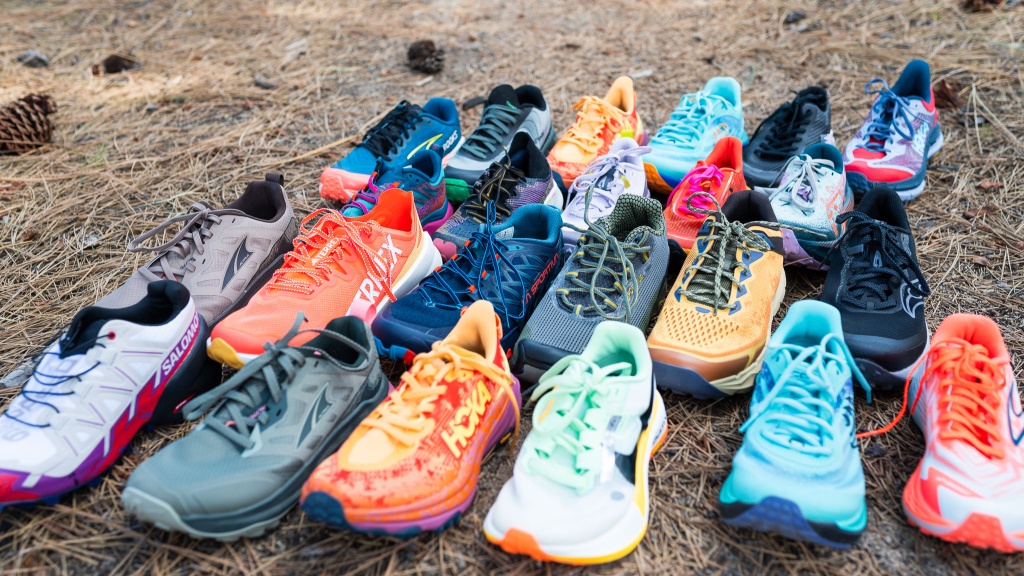
Credit: www.outdoorgearlab.com
Durability And Weather Resistance
Trail running shoes must handle tough paths and changing weather. Their durability and weather resistance are key to a good run. Shoes that last long and protect your feet make trail running safer and more fun.
Waterproof Vs Breathable
Waterproof shoes keep rain and mud out. They stop water from soaking your feet. Great for wet and cold trails. But they can trap heat and sweat inside.
Breathable shoes let air flow through. They keep feet cool and dry from sweat. Best for hot and dry weather. They may let water in during heavy rain.
Choose shoes based on the usual trail conditions. Some shoes balance waterproofing and breathability well.
Wear And Tear Factors
Trail shoes face rocks, roots, and rough ground. These cause cuts, scrapes, and worn soles. Good shoes use strong materials to fight damage.
Shoes with thick soles and tough fabrics resist wear. Sturdy stitching helps keep shoes together. Regular use on hard trails speeds up wear.
Check your shoes often for signs of damage. Replace them if soles wear thin or material tears.
Maintaining Your Shoes
Clean shoes after each run to remove dirt and mud. Use a soft brush and mild soap with water. Avoid strong chemicals that harm materials.
Dry shoes naturally, away from direct heat or sunlight. Heat can make materials crack or shrink. Store shoes in a cool, dry place.
Rotate between two pairs if you run often. This lets shoes dry fully and last longer.
Top Brands And Models
Trail running shoes are key for safe, comfortable runs on rugged paths. Choosing the right pair depends on brand trust and shoe features. Top brands offer models suited for different trail types and runner needs. Here, we explore popular brands and their best models. This helps you pick shoes that match your trail goals and budget.
Popular Choices
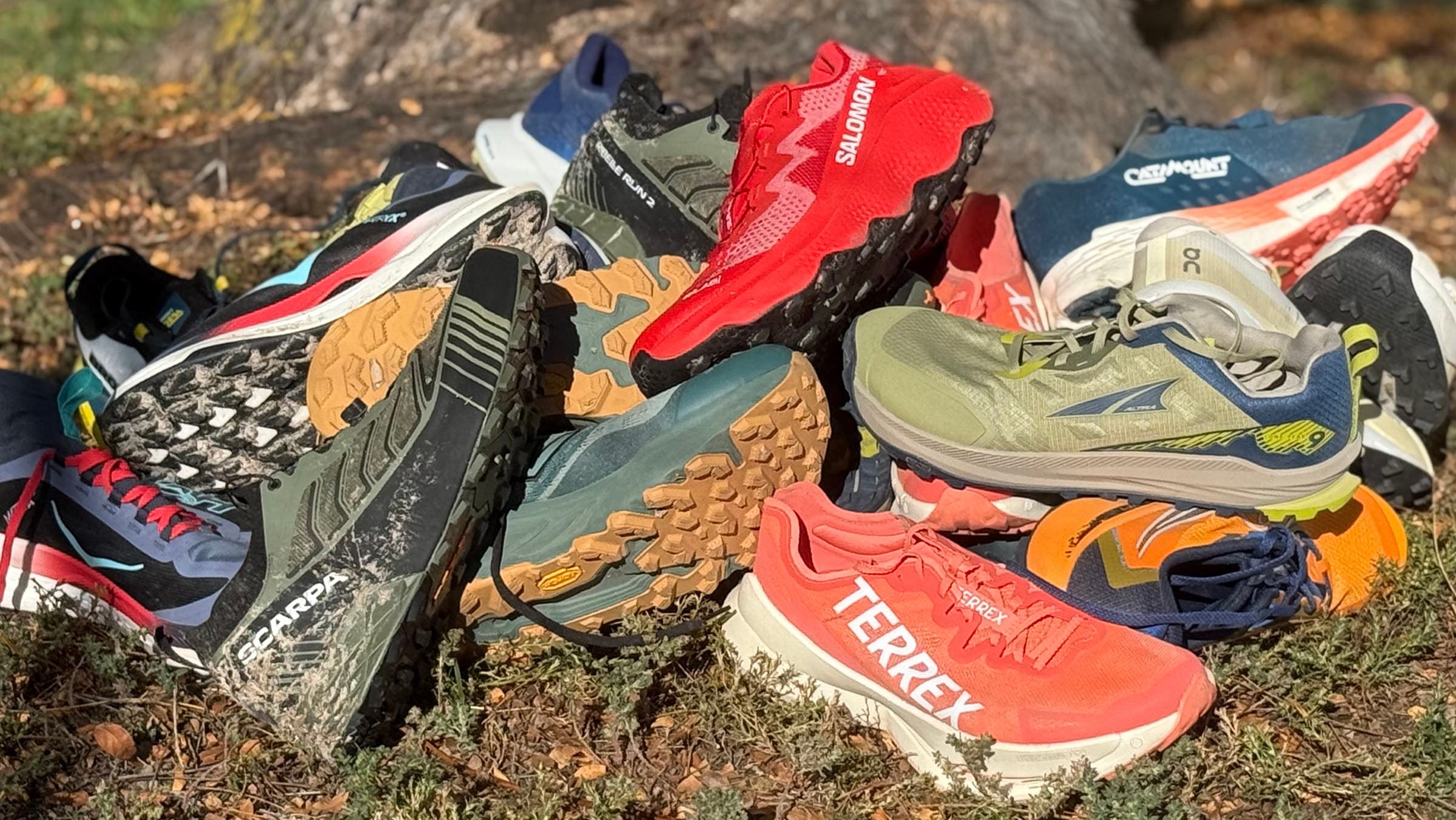
Salomon is a top name in trail running shoes. Their Speedcross series is known for excellent grip and durability. Another popular brand, Brooks, offers the Cascadia line. These shoes provide good cushioning and stability on uneven trails. Altra’s Lone Peak model is loved for its wide toe box and natural foot shape. These brands focus on comfort and trail performance.
Specialized Options
For serious trail runners, Hoka One One offers the Challenger ATR. It has extra cushioning for long runs. La Sportiva’s Bushido shoes are built for technical, rocky trails. They provide great support and precise fit. Inov-8 designs shoes with aggressive tread patterns. Their X-Talon series is perfect for muddy and steep terrain. These options suit runners needing specific features for tough trails.
Budget-friendly Picks
Not all quality trail shoes cost a lot. New Balance offers affordable models like the Nitrel. These shoes balance comfort and grip well. Merrell’s Trail Glove is another low-cost choice with a barefoot feel. Saucony’s Peregrine line has budget models with solid traction. These shoes help runners stay safe without spending too much.
Credit: www.outsideonline.com
Trail Running Shoe Care
Trail running shoes face tough conditions. Dirt, mud, and water can harm them. Proper care helps shoes last longer. It keeps them comfortable and safe for running. Regular cleaning and good storage protect the shoe’s materials. Knowing when to replace shoes avoids injuries on rough trails.
Cleaning Techniques
Remove dirt after every run. Use a soft brush to clean mud. Wash shoes with warm water only. Avoid harsh chemicals or strong soap. Air dry shoes in a cool place. Do not put shoes in a dryer. Clean insoles and laces separately. This keeps shoes fresh and ready.
Storage Tips
Store shoes in a dry, cool area. Avoid direct sunlight to prevent damage. Keep shoes away from heat sources. Use shoe trees or stuff with paper. This helps shoes keep their shape. Do not store shoes in plastic bags. Proper storage avoids mold and odor.
When To Replace
Check soles for worn-out tread. Look for cracks or tears in fabric. Notice less cushioning during runs. Shoes should feel stable and supportive. Replace shoes every 300 to 500 miles. Old shoes increase risk of injury. Timely replacement keeps your feet safe.
Enhancing Performance
Trail running shoes are designed to improve your running on rough paths. They offer better grip, support, and comfort. Using the right techniques and gear can boost your performance even more.
Small changes make a big difference during your runs. These tips help you get the most from your trail running shoes.
Proper Lacing Methods
Lacing your trail shoes properly keeps your feet secure. Tighten the laces evenly to avoid pressure points. Use extra loops or locking knots to stop your heel from slipping. Good lacing reduces blisters and improves stability on uneven ground.
Custom Insoles
Custom insoles add extra comfort and support. They fit your foot shape better than standard insoles. Insoles can help correct foot problems like flat feet or high arches. Using them lowers fatigue and helps you run longer with less pain.
Pairing With Trail Gear
Wearing the right trail gear enhances shoe performance. Choose moisture-wicking socks to keep feet dry and prevent blisters. Use gaiters to stop dirt and rocks from entering your shoes. Proper gear keeps you comfortable and focused during your run.
Frequently Asked Questions
What Are Trail Running Shoes Used For?
Trail running shoes are designed for off-road running. They offer better grip, protection, and support on uneven terrain. These shoes help prevent injuries by providing stability and cushioning on trails. They differ from regular running shoes by having durable soles and water-resistant materials.
How Do Trail Running Shoes Differ From Regular Shoes?
Trail running shoes have rugged soles for traction on dirt and rocks. They include reinforced toe caps and tougher materials to protect feet. Their cushioning is firmer to handle rough surfaces. Regular shoes focus on pavement and lack the durability needed for trails.
What Features Make Trail Running Shoes Comfortable?
Comfort in trail shoes comes from good cushioning and arch support. Breathable, moisture-wicking materials keep feet dry. Lightweight construction reduces fatigue on long runs. A secure fit prevents slipping inside the shoe on uneven paths.
Are Trail Running Shoes Waterproof Or Water-resistant?
Most trail running shoes are water-resistant, repelling light moisture and mud. Some models offer waterproof membranes to keep feet dry in wet conditions. However, waterproof shoes may be less breathable, so choose based on your trail environment.
Conclusion
Trail running shoes help you run safely on rough paths. They give good grip and protect your feet. These shoes are lighter than hiking boots but stronger than regular sneakers. Choosing the right pair makes running easier and more fun.
Think about the terrain and your running style. This way, you get the best comfort and support. Trail running shoes are a smart choice for outdoor runners. They help you enjoy nature without worrying about your feet. Try them and feel the difference on every trail.