

Have you ever struggled to keep all your sports or travel equipment organized and easy to carry? That’s where a gear bag comes in.
But what exactly is a gear bag, and why might it be the perfect solution for your storage needs? Understanding what a gear bag offers can save you time, protect your belongings, and make your adventures more enjoyable. Keep reading to discover how a gear bag can change the way you pack, carry, and protect your gear every day.

Credit: visionflyfishing.com
Gear Bag Basics
A gear bag is a simple but important item for carrying your equipment. It helps keep your things organized and safe. Whether you carry sports gear, camera equipment, or tools, a good gear bag makes transport easier and more efficient. Understanding the basics of gear bags helps you choose the right one for your needs.
Types Of Gear Bags
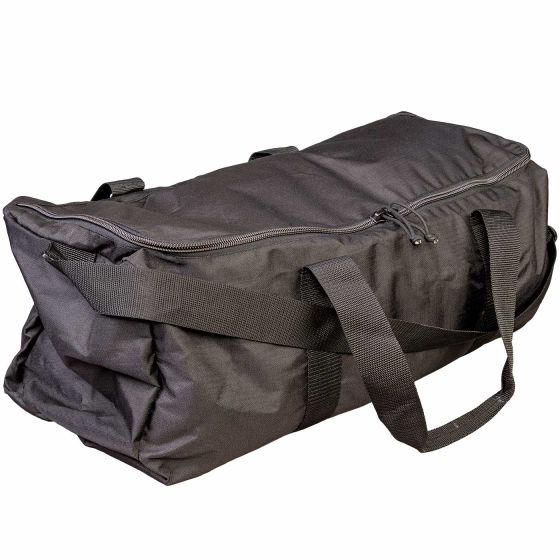
Gear bags come in many shapes and sizes. Duffel bags are popular for their large, open space. Backpacks offer comfort and hands-free carrying. Rolling bags have wheels, which make heavy loads easier to move. Soft-sided bags are flexible, while hard cases provide extra protection. Each type suits different activities and gear needs.
Common Materials Used
Gear bags use various materials to balance weight and durability. Nylon is lightweight and water-resistant. Polyester offers good strength and resists wear. Canvas is tough but heavier. Some bags have waterproof coatings or linings to protect against rain. Material choice affects the bag’s lifespan and how well it protects your gear.
Key Features To Look For
Look for strong zippers that won’t break easily. Padded straps add comfort for long carrying. Multiple compartments help organize small and large items. Water resistance protects gear from moisture. Reinforced bottoms prevent wear from rough surfaces. Ventilation is useful for gear that needs airflow to stay dry.
Credit: www.narescue.com
Choosing The Right Size
Choosing the right size for your gear bag is important for convenience and efficiency. The bag must hold all your items without being too bulky. It should fit your needs for trips, workouts, or daily use. Understanding your gear needs helps you pick the perfect size. This section guides you through choosing the right size gear bag.
Assessing Your Gear Needs
Start by listing all the gear you carry often. Include clothes, tools, gadgets, or sports equipment. Note the size and weight of each item. Think about how many items you need at once. This helps avoid buying a bag that is too small or too big. A clear list makes it easy to choose the right bag size.
Compact Vs Large Bags
Compact bags are small and easy to carry. They fit a few essential items and save space. Large bags hold more gear but can be heavy and bulky. Choose a compact bag for short trips or light gear. Pick a large bag for long trips or many items. The right size balances carrying comfort and storage space.
Expandable Options
Expandable gear bags offer extra space when needed. They have zippers or compartments that open wider. Use the expandable feature for extra gear or souvenirs. These bags adapt to different trip lengths and gear amounts. Expandable bags provide flexibility without carrying a large bag all the time.
Durability And Protection
A gear bag must be tough to protect your equipment. Durability and protection are key features. These bags face rough use and harsh conditions daily. Strong materials and smart design keep your gear safe and dry.
Water Resistance And Weatherproofing
Water resistance helps keep your gear dry in rain or snow. Many gear bags use special coatings to repel water. Weatherproofing means the bag can handle wind and cold. This protects sensitive equipment from damage by moisture.
Reinforced Construction
Reinforced construction uses extra stitching and strong fabrics. This makes the bag last longer under heavy loads. Areas like the bottom and handles get extra strength. Reinforcements stop tears and wear from rough handling.
Padding And Shock Absorption
Padding cushions your gear against bumps and drops. Soft foam or other materials absorb shocks well. This prevents damage to fragile items inside the bag. Padding also adds comfort when carrying heavy loads.
Comfort And Portability
Comfort and portability are key features of a good gear bag. Carrying heavy equipment can be tiring. A well-designed bag makes it easier to move and carry your gear. Comfort helps avoid pain and strain during transport. Portability means you can take your bag anywhere without hassle.
Straps And Handles
Straps and handles play a big role in comfort. Padded shoulder straps reduce pressure on your shoulders. Adjustable straps let you fit the bag perfectly. Strong handles help carry the bag by hand. Well-placed handles give you more carrying options.
Weight Considerations
The bag itself should be light. Heavy bags add unnecessary burden. Materials like nylon or polyester keep weight down. A lightweight bag lets you pack more without feeling tired. Check the bag’s weight before buying.
Ergonomic Design
Ergonomic design means the bag fits your body well. It supports your back and shoulders properly. Breathable materials reduce sweat and discomfort. Rounded edges and soft padding prevent chafing. Good design helps carry gear longer without pain.
Organization And Accessibility
A gear bag helps keep your items neat and easy to find. Good organization saves time and reduces stress. You do not waste moments searching for what you need. Accessibility means reaching your gear quickly without fuss.
Compartments And Pockets
Gear bags have many compartments and pockets. Each section holds different types of equipment. Small pockets keep tiny items safe and visible. Large compartments store bulky gear without mixing it up. This layout keeps everything tidy and in place.
Specialized Storage Features
Special features protect and organize your tools. Padded sections shield fragile items from damage. Mesh pockets allow you to see contents at a glance. Elastic bands hold things tight so they do not move. These details improve protection and order.
Ease Of Access
Zippers and openings are designed for quick use. Wide openings give full view of the bag’s contents. Some bags have side access for faster reach. Easy-to-grip handles and pulls speed up packing. This makes grabbing gear simple and fast.

Credit: www.forzagoal.com
Specialized Gear Bags
Specialized gear bags are made for specific needs. They protect and organize items better than regular bags. These bags fit the unique shapes and sizes of certain gear. They also make carrying equipment easier and safer.
Specialized gear bags help users keep their tools ready and in good condition. Each type has features that suit particular activities or hobbies.
Camera Gear Bags
Camera gear bags have padded compartments to protect cameras and lenses. They keep delicate equipment safe from bumps and scratches. Many have adjustable dividers to fit different camera parts. These bags also offer quick access to gear during shoots. Water-resistant materials keep gear dry in bad weather.
Sports Equipment Bags
Sports equipment bags hold balls, shoes, and uniforms. They often have ventilated pockets to reduce odor and moisture. Some bags come with extra compartments for water bottles and accessories. Durable fabrics stand up to rough handling and outdoor use. They help athletes carry everything in one place.
Travel And Hiking Bags
Travel and hiking bags focus on comfort and durability. They have padded straps and support for long wear. Multiple pockets help organize clothes, food, and tools. Many include waterproof or water-resistant materials. These bags also have space for hydration packs or sleeping bags.
Budget And Brand Choices
Choosing a gear bag depends on budget and brand. Both affect quality, style, and durability. Knowing your options helps you find the best fit. Some bags offer great value for less money. Others come with advanced features but cost more. This section breaks down affordable choices, premium brands, and what to expect from warranties and support.
Affordable Options
Affordable gear bags suit those on a tight budget. These bags often use simple materials but still protect your gear well. Many brands make budget-friendly bags with good designs. They may have fewer compartments or less padding. Still, these bags last for everyday use. Affordable bags come in various sizes and colors. They offer basic features without extra costs. Ideal for beginners or occasional users.
Premium Brands
Premium gear bags come from well-known brands. These bags use high-quality materials and strong stitching. They provide better protection and more pockets. Some offer water resistance or extra padding. Premium bags often have stylish designs. They suit professionals and heavy users. These bags cost more but last longer. The investment can save money over time.
Warranty And Customer Support
Good brands offer warranties on their gear bags. Warranties cover defects and damage under normal use. Check the warranty length before buying. Customer support helps with repairs or replacements. Reliable brands respond quickly to questions. A strong warranty shows confidence in product quality. It gives peace of mind for your purchase.
Maintenance Tips
Maintaining your gear bag helps keep it strong and useful for a long time. Simple care routines prevent wear and tear. This saves money and keeps your equipment safe.
Cleaning Your Gear Bag
Empty your bag before cleaning. Use a soft brush to remove dirt and dust. Wipe it with a damp cloth and mild soap. Avoid harsh chemicals that can damage fabric. Let it air dry completely before use.
Storage When Not In Use
Store your gear bag in a cool, dry place. Avoid direct sunlight to prevent fading. Keep it slightly open to allow air circulation. This stops mold and bad smells from forming.
Repairing Minor Damages
Check your bag regularly for small tears or broken zippers. Use fabric glue or patches for minor tears. Replace broken zippers quickly to avoid bigger problems. Regular repairs extend your bag’s life and reliability.
Frequently Asked Questions
What Is The Main Purpose Of A Gear Bag?
A gear bag is designed to store and organize sports or travel equipment. It keeps items secure and easy to carry. Gear bags protect your gear from damage and help you stay organized on the go.
What Materials Are Gear Bags Commonly Made From?
Gear bags are often made from durable materials like nylon, polyester, or canvas. These materials resist wear and tear. They are lightweight yet strong, making gear bags ideal for rough use and frequent travel.
How Do Gear Bags Differ From Regular Backpacks?
Gear bags have specialized compartments for sports or work equipment. Unlike regular backpacks, they offer extra padding and organization. Gear bags are tailored to protect specific items like tools, sports gear, or camera equipment.
Can Gear Bags Be Used For Multiple Activities?
Yes, gear bags are versatile and can suit various activities. They work well for sports, travel, work, and outdoor adventures. Their design adapts to different types of equipment and user needs.
Conclusion
A gear bag helps keep your equipment safe and organized. It fits many types of gear, making it useful for sports, travel, and work. Choosing the right gear bag saves time and effort when packing or unpacking. Durable materials protect your items from damage and weather.
A good gear bag makes carrying heavy items easier. Think about size, pockets, and comfort before buying. A gear bag is a simple tool that makes life more convenient. It supports your activities by keeping things ready and easy to find.