

Imagine being able to start a fire quickly and easily, no matter where you are. Whether you’re camping, preparing for emergencies, or just enjoying a cozy night by the fire, having reliable fire starters can make all the difference.
What if you could create your own fire starters with simple items you already have at home? You’ll discover easy and effective DIY fire starter ideas that save you time, money, and stress. Keep reading, and you’ll be ready to light up your next fire with confidence and ease.
Benefits Of Diy Fire Starters
Making your own fire starters has many benefits. These small tools help start fires quickly and easily. Creating them at home gives you control over what goes inside. It also saves money and helps the environment. Let’s explore why DIY fire starters are a smart choice.
Cost Savings
DIY fire starters cost less than store-bought ones. You use items already at home, like wax and sawdust. This cuts down on buying extra products. Making fire starters yourself means fewer trips to the store. It saves money over time, especially for frequent campers or grillers.
Environmental Impact
Homemade fire starters reduce waste and pollution. You can use recycled materials like egg cartons or paper. This keeps trash out of landfills. Avoiding chemical starters also protects air quality. Making your own is a greener way to light fires.
Customization Options
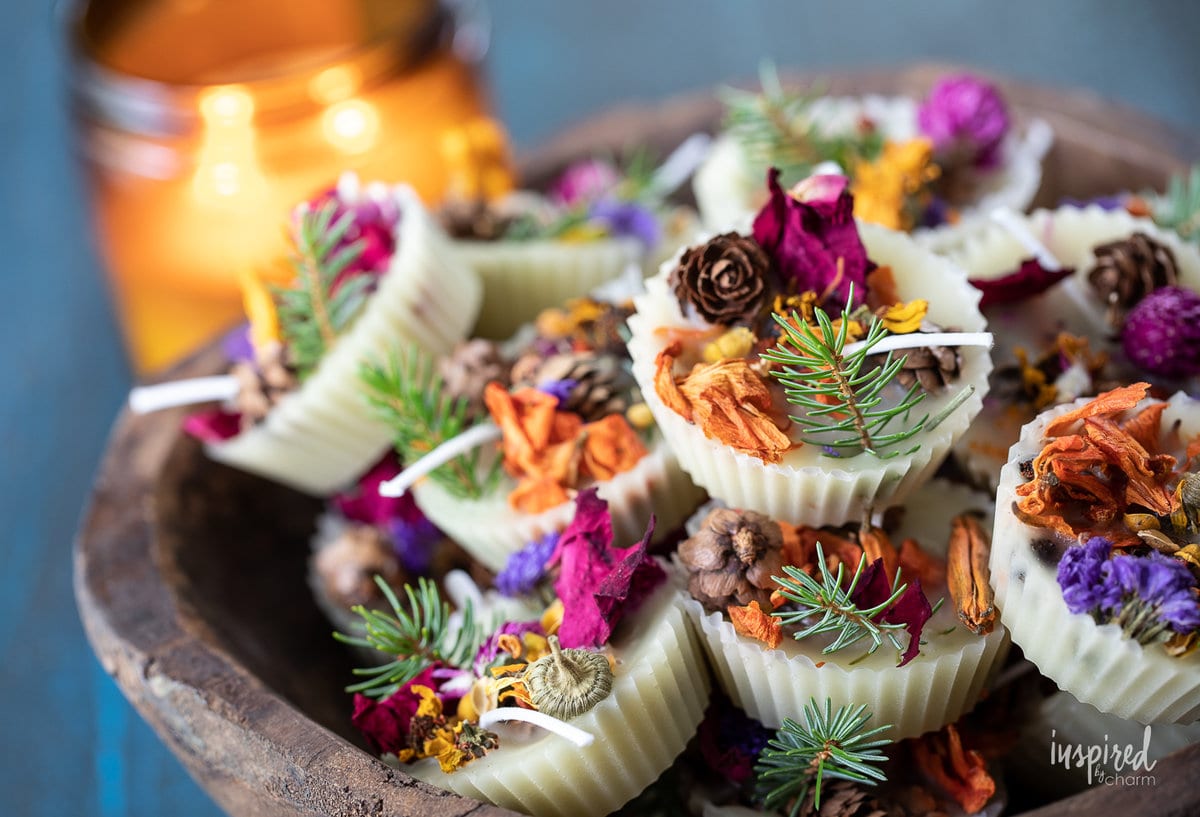
DIY fire starters can be tailored to your needs. Choose scents or materials that burn well for you. Adjust size and shape for different fire types. This personal touch improves fire-starting success. It also makes your fire starters unique and useful.
Credit: inspiredbycharm.com
Essential Materials
Creating your own fire starters is simple and satisfying. The right materials make the process easy and safe. Gather basic items found around the house or in nature. Safety gear protects you while handling fire-starting tools.
Natural Ingredients
Natural ingredients burn well and ignite quickly. Examples include dry pine needles, wood shavings, and cotton balls. Beeswax or candle wax helps hold materials together and burn longer. These ingredients are eco-friendly and easy to find outdoors.
Household Items
Common household items work great as fire starters. Paper towel rolls, dryer lint, and cardboard pieces catch fire fast. Petroleum jelly applied to cotton balls improves ignition time. These items save money and reduce waste by reusing what you have.
Safety Gear
Safety is a must when making fire starters. Use gloves to protect your hands from hot wax or sharp objects. Work in a well-ventilated area to avoid fumes. Keep a fire extinguisher or water nearby for emergencies. Safety gear helps prevent accidents and injuries.
Simple Fire Starter Recipes
Making your own fire starters is easy and useful. These simple recipes help start fires fast. You need only a few items you can find at home. These fire starters burn well and are safe to use.
Try these easy recipes to make your fire-starting simple and quick. Each uses common materials and takes little time to prepare. Perfect for camping, barbecues, or emergency kits.
Cotton Balls And Vaseline
Take some cotton balls and coat them with Vaseline. The Vaseline helps the cotton burn longer and stronger. Store them in a small container or plastic bag. Light the cotton ball with a match to start your fire.
Egg Carton And Wax
Cut an egg carton into individual cups. Melt some old candle wax or crayons. Pour the melted wax into each cup and let it harden. Tear off a cup and light the edge to start your fire. These burn slowly and are easy to carry.
Pinecones And Dryer Lint
Collect dry pinecones and gather dryer lint from your lint trap. Stuff the dryer lint inside the pinecone scales. Light the dryer lint to ignite the pinecone. This combination catches fire quickly and burns well outdoors.

Credit: ourdaysoutside.com
Safe Handling Tips
Handling DIY fire starters safely is very important. These small tools can cause big fires if not used right. Knowing how to store and use them keeps you and your surroundings safe. Follow simple rules to avoid accidents and enjoy your fire safely.
Storage Guidelines
Keep fire starters in a cool, dry place. Avoid storing near heat or flames. Use airtight containers to stop moisture from spoiling them. Store out of reach of children and pets. Label the containers clearly to prevent confusion.
Using Fire Starters Responsibly
Light fire starters only in safe, open areas. Do not use inside closed spaces. Avoid using too many at once. Hold matches or lighters away from your body. Always have water or a fire extinguisher nearby for emergencies.
Fire Safety Precautions
Clear the area around your fire from dry leaves or paper. Never leave a fire unattended. Fully put out the fire before leaving the site. Use a shovel or water to douse the fire completely. Check the wind direction to avoid spreading sparks.
Effective Fire Starting Techniques
Starting a fire with DIY fire starters requires the right techniques. These methods help you build a fire that lights quickly and stays strong. Understanding how to prepare the site, ignite the fire, and keep it burning makes a big difference. Here are simple steps to help you succeed.
Preparing The Fire Site
Choose a flat, clear area away from trees and dry grass. Remove leaves, sticks, and debris around the spot. Dig a small pit to hold the fire safely. Surround the pit with stones to keep the fire contained. This setup prevents accidents and helps the fire burn better.
Ignition Methods
Use dry materials like cotton balls, pine needles, or small twigs. Light the DIY fire starter carefully using a match or lighter. Blow gently at the base to feed oxygen to the flame. Avoid large movements that can put out the fire. Keep adding small sticks as the fire grows.
Maintaining The Fire
Add bigger sticks and logs gradually to keep the fire strong. Avoid smothering the flames with too much wood. Keep space between the logs for air to flow. Watch the fire closely and adjust wood as needed. Always have water or sand nearby to control the fire.
Credit: www.sugarmaplefarmhouse.com
Troubleshooting Common Issues
Troubleshooting common problems with DIY fire starters helps you get better results. Knowing what causes issues saves time and frustration. Many problems come from simple mistakes or conditions. Fixing these can make your fire starters work every time.
Damp Materials
Damp materials stop fire starters from lighting well. Water in wood or cotton slows ignition. Store your materials in a dry place. Use fresh, dry cotton balls or wood shavings. Check materials before making starters. Drying them in the sun or near heat helps.
Poor Ignition
Poor ignition happens when fire starters don’t catch fire quickly. It may be from weak tinder or wrong mix. Use flammable oils like petroleum jelly for better sparks. Make sure the starter is small and thin enough to light fast. Avoid packing materials too tight. Air helps fire grow.
Fire Starters Not Lasting
Sometimes fire starters burn out too fast. This happens if they have too much flammable liquid or thin material. Use a balanced amount of wax or oil. Thicker pieces last longer. Wrap cotton balls well to hold fuel. Store finished starters in an airtight container to keep them effective.
Creative Variations
Creative variations make DIY fire starters fun and useful. They add personal touch and improve burning quality. Experiment with different materials and scents to suit your needs. These ideas help you make fire starters that are unique and practical.
Scented Fire Starters
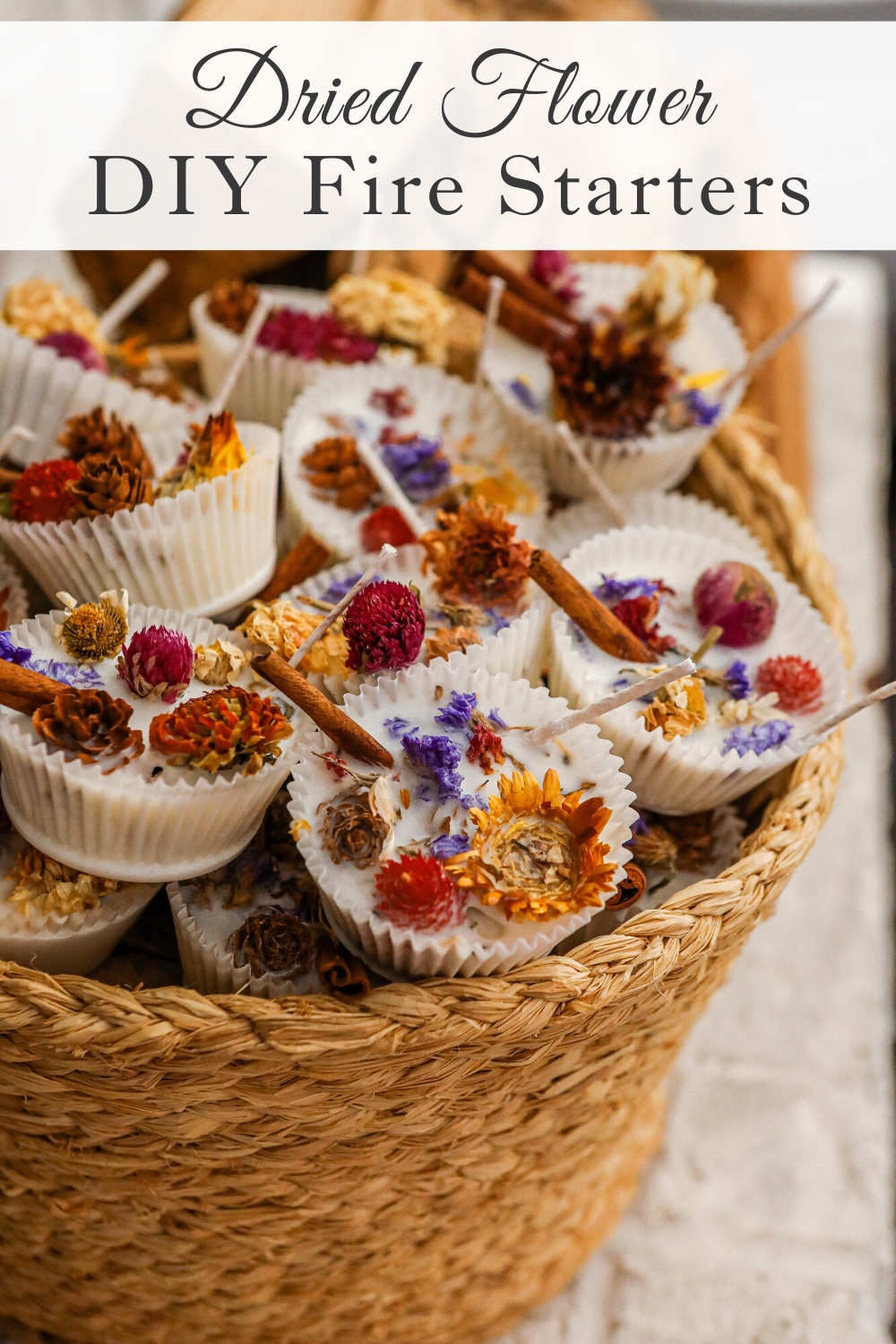
Scented fire starters bring warmth and fragrance. Use essential oils like cinnamon, pine, or lavender. Mix oil with sawdust or cotton balls. When lit, they release pleasant smells. Perfect for cozy nights or outdoor gatherings.
Eco-friendly Alternatives
Eco-friendly fire starters protect the planet. Use natural materials like dryer lint, egg cartons, or wood shavings. Avoid plastics or chemicals. These options burn clean and are safe for nature. Great for campers who care about the environment.
Gift Ideas
DIY fire starters make thoughtful gifts. Wrap them in small bags or jars. Personalize with ribbons or labels. Ideal for friends who love camping or fireplaces. A simple, useful present that shows care and creativity.
Frequently Asked Questions
What Materials Are Best For Diy Fire Starters?
Natural materials like cotton, dryer lint, and wax work great. They ignite easily and burn steadily, making fire starting simple.
How Do You Make A Fire Starter At Home?
Dip cotton balls in melted wax, then let them harden. These DIY fire starters light quickly and burn long.
Are Homemade Fire Starters Safe To Use Indoors?
Yes, if made from natural, non-toxic materials. Avoid harmful chemicals to ensure safe indoor use and clean burning.
How Long Do Diy Fire Starters Burn?
They typically burn for 5 to 10 minutes. This is enough to ignite kindling and larger firewood easily.
Conclusion
Making your own fire starters saves money and reduces waste. They light quickly and help start fires easily. Using simple materials means you always have fire starters ready. Perfect for camping, emergencies, or cozy nights at home. Try different recipes to find what works best for you.
Enjoy the warmth and comfort without hassle or extra cost. DIY fire starters offer a practical and eco-friendly solution. Give them a try and see the difference yourself.