
Are you tired of digging through clutter every time you want to grab your camping gear? Keeping your equipment organized and safe at home can be a challenge, but it doesn’t have to be.
Imagine opening a neat, easy-to-navigate storage space where everything you need is right at your fingertips. You’ll discover simple, effective ways to store your camping gear so it stays in great shape and ready for your next adventure. Keep reading to transform your storage habits and make your camping prep stress-free!
Credit: www.rei.com
Choose The Right Storage Spot
Choosing the right spot to store camping gear at home keeps it safe and easy to find. A good storage place protects your items from damage and saves space. It also helps keep your gear ready for your next outdoor trip.
Think about where you can keep your gear dry, clean, and organized. The right spot makes a big difference in how long your camping gear lasts.
Assess Available Spaces
Look around your home for possible storage areas. Check closets, basements, garages, or spare rooms. Measure the space to see what fits. Choose spots that are easy to reach and not crowded.
Consider Climate Control
Pick a place with stable temperature and low humidity. Avoid damp areas like basements that can cause mold. Heat can also damage some gear. A cool, dry spot keeps your items in good shape.
Use Vertical Areas
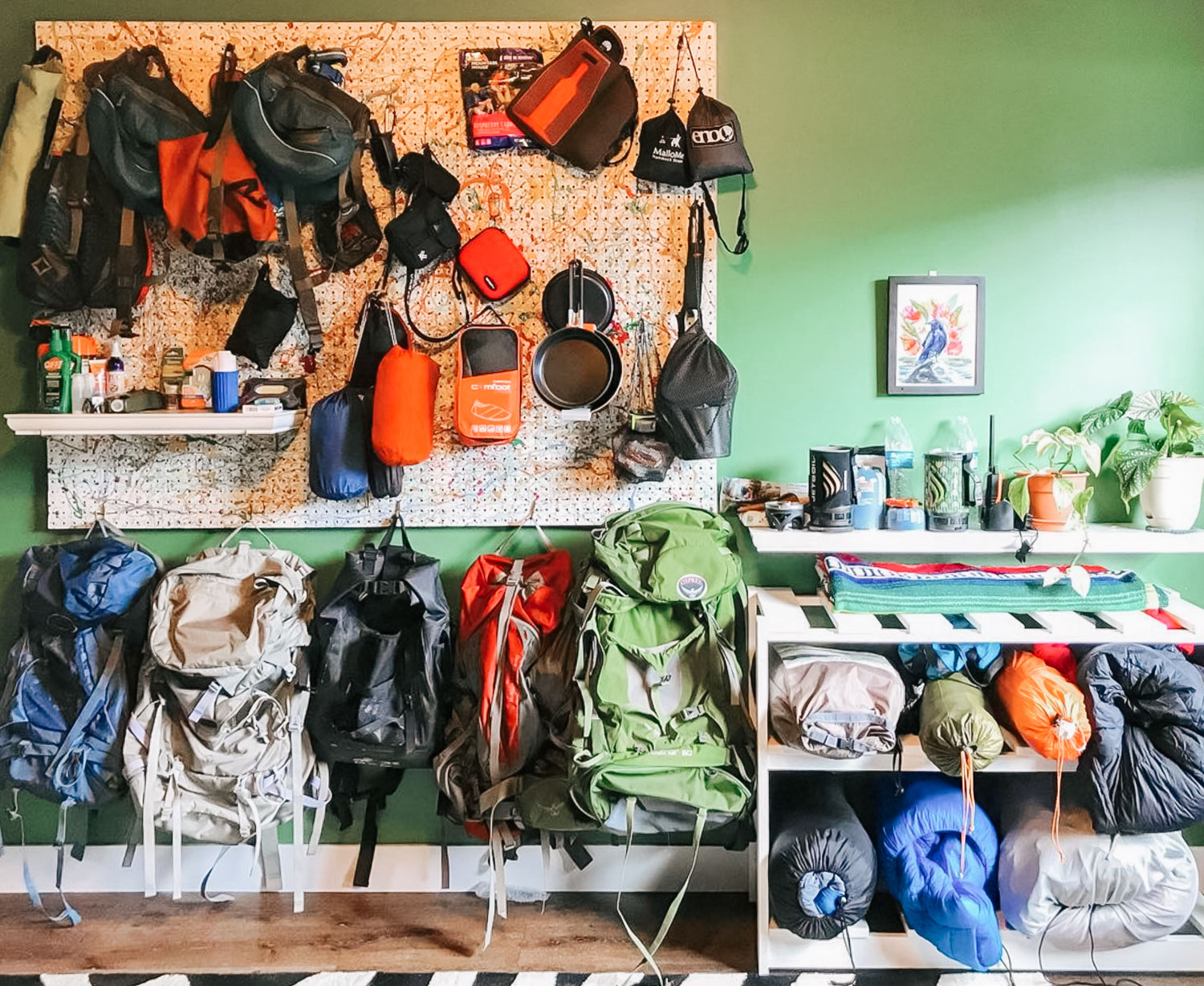
Use walls for hooks, shelves, or racks. Hanging tents or bags saves floor space. Vertical storage helps keep gear off the ground and organized. It also makes it easier to grab what you need quickly.
Sort And Categorize Gear
Sorting and categorizing camping gear makes storage easier and faster. Organized gear saves time during trips. It also keeps your equipment in good shape. Start by understanding what you have and how often you use it. This process helps you find what you need without stress.
Group By Type
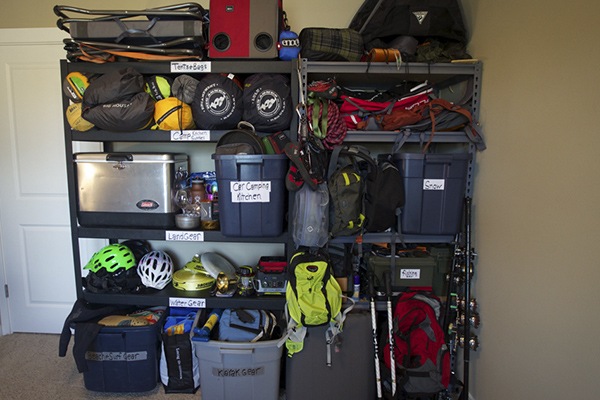
Group similar items together. Keep tents, sleeping bags, and cooking gear separate. This avoids mixing and confusion. Use bins or shelves for each group. Label each container clearly. Grouping by type helps you spot missing or broken items quickly.
Separate Frequently Used Items
Place items you use often in easy-to-reach spots. Store less-used gear in harder-to-access places. This saves effort and keeps everyday gear ready. Examples include flashlights, water bottles, and first aid kits. Keep these items near the front of your storage area.
Discard Or Donate Unused Gear
Get rid of gear you no longer need. Old, damaged, or unused items take up space. Donate usable gear to friends or local groups. This helps others and frees your storage area. Regularly review your gear to keep your collection useful and tidy.
Use Space-saving Containers
Storing camping gear neatly saves space and keeps items easy to find. Space-saving containers help organize gear and protect it from dust and damage. Choosing the right containers makes your storage area tidy and efficient. Use containers that fit your gear size and shape.
Stackable Bins
Stackable bins make use of vertical space well. They keep gear in separate sections for quick access. Choose bins with lids to keep dirt out. Clear bins help you see contents without opening. Stack bins in closets or storage rooms safely.
Vacuum Storage Bags
Vacuum storage bags shrink bulky items like sleeping bags and clothes. Removing air reduces space by up to 75%. These bags protect gear from moisture and pests. Use a vacuum or hand pump to seal them tightly. Store bags flat or stand them up to save room.
Clear Labeling Techniques
Label containers clearly for easy identification. Use large, simple labels with bold text. Write contents or category on each label. Place labels on the container front and top. Consistent labeling saves time when packing or unpacking.
Optimize Shelving And Hooks
Optimizing shelving and hooks helps keep camping gear neat and easy to find. Proper use of shelves and hooks saves space. It also protects your gear from damage and dust. Organizing in this way makes packing for your next trip faster and smoother.
Install Adjustable Shelves
Adjustable shelves let you change shelf height for different items. Tall boots fit on one shelf, small boxes on another. You can move shelves to make room for new gear. This flexibility keeps everything visible and accessible. Use strong materials to hold heavy camping equipment safely.
Hang Lightweight Items
Hooks are perfect for hanging lightweight items like hats and ropes. Hanging keeps these items off the floor and easy to grab. It also prevents tangles and damage. Group similar items together on hooks for quick access. Choose wall space near your packing area for convenience.
Utilize Pegboards
Pegboards offer a smart way to organize small tools and accessories. You can place hooks anywhere on the board. This creates a custom layout that fits your gear. Pegboards keep items visible and easy to reach. Use labels on hooks to quickly find what you need.
Protect Gear From Damage
Properly protecting camping gear from damage keeps it in good shape for every trip. Damage can come from moisture, sunlight, and dust. Taking simple steps stops wear and tear. It saves money and effort in the long run.
Keep Items Dry
Moisture causes rust, mold, and bad smells. Store gear in a dry place away from damp walls and floors. Use silica gel packs or moisture absorbers inside bags and boxes. Check gear for wet spots before storing. Dry tents, sleeping bags, and clothes completely.
Avoid Sunlight Exposure
Sunlight fades colors and weakens fabrics. Keep gear in dark closets or covered shelves. Avoid clear plastic bins that let in light. Use opaque containers or cover bins with cloth. Store items away from windows and direct sun rays.
Use Protective Covers
Covers shield gear from dust and scratches. Use bags or cases made for specific gear. For example, tent bags or padded backpack covers work well. Wrap delicate items in cloth or bubble wrap. Store small parts in labeled containers to avoid loss.
Create Easy Access Zones
Creating easy access zones helps keep your camping gear organized and ready. You save time by knowing exactly where each item is stored. This makes packing for trips quicker and less stressful. Organize your gear by how often you use it and the season. Clear paths and zones keep your storage neat and safe.
Store Seasonal Gear Separately
Keep summer and winter camping gear in different spots. Store tents, sleeping bags, and clothes by season. This stops clutter and makes finding gear simple. Use bins or shelves labeled by season. You avoid digging through all your equipment each time.
Keep Essentials Within Reach
Place important gear where you can grab it fast. Items like flashlights, first aid kits, and cooking tools belong near the front. This saves time during last-minute packing. Store these essentials at eye level or in easy-to-open containers.
Use Clear Pathways
Make sure paths to your gear are free of obstacles. Clear walkways prevent accidents and save time. Arrange storage so you can reach every zone without moving other items. This keeps your camping area safe and tidy.
Maintain And Rotate Gear
Maintaining and rotating your camping gear keeps it in good shape for every trip. Proper care prevents damage and extends the life of your equipment. Regular attention helps you spot problems early and fix them before use.
Regular Inspections
Check your gear often for tears, cracks, or rust. Look at tents, sleeping bags, and backpacks closely. Find broken zippers, loose threads, or worn-out parts. Fix small issues before they become big problems. Inspections save money and avoid surprises outdoors.
Clean Before Storage
Always clean your gear before putting it away. Remove dirt, mud, and food crumbs carefully. Dry everything completely to stop mold and bad smells. Use mild soap and water for washing. Clean gear stays fresh and ready for your next adventure.
Rotate Items Seasonally
Use different gear for each season and switch them regularly. Store summer items separately from winter gear. Rotate sleeping bags, clothes, and tents based on weather. This keeps everything in good condition and easy to find. Rotation prevents wear from sitting unused too long.

Credit: www.reddit.com
Credit: she-explores.com
Frequently Asked Questions
How Do I Keep Camping Gear Organized At Home?
Store gear in labeled bins or containers to stay organized. Use shelves or hooks for easy access. Group similar items like cooking tools or tents together. This method saves space and prevents gear damage.
What Is The Best Way To Store Tents Indoors?
Clean and dry tents thoroughly before storing. Fold them loosely to avoid creases. Store tents in breathable bags or cotton sacks. Keep them in a cool, dry place to prevent mold and mildew.
How Can I Protect Camping Gear From Moisture?
Use silica gel packs or moisture absorbers inside storage containers. Store gear in a dry, well-ventilated area. Avoid damp basements or garages. Regularly check for signs of mold or mildew and air out gear as needed.
Should Camping Gear Be Stored Assembled Or Disassembled?
Always store camping gear disassembled. It prevents damage and saves storage space. Ensure all parts are clean and dry before packing. Proper disassembly extends the life of your gear.
Conclusion
Proper storage keeps your camping gear safe and ready. Clean your items before putting them away. Use clear containers to find things quickly. Store gear in dry, cool places to avoid damage. Keep frequently used items easy to reach. Label boxes to save time later.
Regularly check your gear for wear and tear. Organized storage means less stress before your next trip. Simple steps make a big difference in gear care. Start storing right and enjoy your camping more.